Find a Women's Issues Therapist in Oklahoma
This page highlights clinicians in Oklahoma who specialize in women's issues, including reproductive, perinatal, relationship, and life-transition care. Browse the listings below to compare clinicians, locations, and therapeutic approaches throughout Oklahoma.

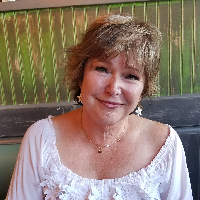

Nancy Lucas
LPC
Oklahoma - 10 yrs exp




















How women's issues therapy works for Oklahoma residents
When you look for a therapist who focuses on women's issues in Oklahoma, you will find professionals trained to address a wide range of concerns that often intersect with physical health, family life, work, and cultural expectations. Therapy is usually built around regular sessions in which you and the clinician explore the challenges you are facing, identify patterns that contribute to distress, and develop practical strategies to manage symptoms and improve daily functioning. Therapists who specialize in this area may use evidence-based approaches adapted to women’s life stages and experiences, and they often coordinate with medical providers when reproductive or hormonal factors are involved.
In Oklahoma's urban centers such as Oklahoma City and Tulsa, as well as college towns like Norman, therapists may offer a mix of in-person and online appointments to accommodate differing schedules and transportation needs. Many clinicians tailor their work to life transitions common in the region - from new parenthood and caregiving responsibilities to shifts in employment related to local industries. Regardless of setting, therapy aims to build skills, provide perspective, and offer ongoing support as you navigate change.
Specialized approaches and what to expect
Therapists who focus on women's issues often combine talk therapy with practical tools to manage anxiety, depression, grief, relationship stress, or trauma. You may encounter approaches such as cognitive-behavioral techniques, trauma-informed care, mindfulness practices, and therapies that address body-image or sexuality concerns. Sessions usually begin with an assessment of your history and current goals, followed by collaborative planning that decides the pace and focus of treatment. Many clinicians encourage goal setting and periodic review so you can see progress and adjust focus as needed.
Finding specialized help for women's issues in Oklahoma
Finding the right specialist starts with identifying the area of women's health or life concerns that matter most to you. Some therapists focus on perinatal mental health, helping with pregnancy-related anxiety, postpartum adjustment, or parenting challenges. Others concentrate on reproductive health concerns like fertility stress, pregnancy loss, or navigating decisions around reproductive care. There are clinicians who specialize in menopause-related issues, sexual health and intimacy, and the emotional aftermath of trauma. Seeking a therapist whose background aligns with your needs increases the likelihood that their training and experience will match the support you want.
When searching in Oklahoma, consider practitioners who list experience with the particular concerns you face and who demonstrate cultural awareness of the communities they serve. For example, if you live in a rural area or on tribal lands, you may benefit from someone familiar with the resources and constraints of those settings. If you live near Oklahoma City, Tulsa, or Norman, you will likely find clinicians available for in-person work as well as telehealth options that reach beyond city limits.
Working with cultural and regional factors
Oklahoma's diverse communities shape the way women's issues present and are addressed. Cultural values around family, faith, and work may influence how you experience stress and which coping strategies feel comfortable. Therapists who are attuned to regional contexts can help you navigate family expectations, workplace stressors, and community resources. In some cases, connecting with a clinician who shares your cultural background or who has experience working with similar clients can make it easier to talk about sensitive topics and to develop interventions that fit your life.
What to expect from online therapy for women's issues
Online therapy can broaden access to specialists who may not be available within a short commute. When you choose virtual sessions, expect to use a video or phone format for scheduled appointments, with the option in some cases to use messaging between sessions for brief check-ins. Typical session length is about 45 to 60 minutes, and frequency is often weekly at the start of treatment, with adjustments as progress is made. Many therapists will discuss privacy practices and how they protect your conversations during intake, and they will explain how records and communications are handled.
Online therapy can be especially helpful if travel is difficult or if you live outside major metropolitan areas. It allows you to access specialists in Oklahoma City, Tulsa, or Norman without traveling. Keep in mind that some types of care - for example, support that requires in-person medical coordination - may still require local providers. Discuss with a potential therapist how they handle coordination with physicians, obstetricians, or other health professionals when needed.
Common signs that someone in Oklahoma might benefit from women's issues therapy
You might consider seeking therapy if life events feel overwhelming, such as difficulty adjusting to pregnancy or new parenthood, persistent sadness or worry related to reproductive events, or trouble with intimacy and relationships. Ongoing sleep disturbance, changes in appetite, loss of interest in activities, or difficulty concentrating can also indicate that additional support would be helpful. If past trauma is affecting current relationships or daily functioning, trauma-informed therapy can provide a path to relief. Changes in mood or functioning that interfere with work, school, or family life are important signals that talking with a specialist could make a meaningful difference.
Some people come to therapy seeking better problem-solving tools, clearer communication in relationships, or support in making major life decisions. Others seek support for recurring patterns that have accumulated over years. Therapy is a space to explore these concerns and to develop new ways of coping that are tailored to your circumstances.
Tips for choosing the right therapist for this specialty in Oklahoma
Selecting a therapist is a personal process. Start by clarifying the outcomes you hope to achieve and the type of approach that feels most comfortable. Look for clinicians who list women's issues or relevant sub-specialties on their profiles, and pay attention to their listed training and experience. It is reasonable to ask about experience with specific concerns during an initial consultation, including work with perinatal adjustment, reproductive loss, trauma, or relationship difficulties.
Practical considerations are important too. Check whether a therapist offers evening or weekend appointments if needed, what their fee structure is, and whether they accept insurance or offer a sliding scale. If in-person sessions are preferred, consider proximity to your home or workplace in cities like Oklahoma City, Tulsa, or Norman. If online therapy is a better fit, ask about the platforms used, how brief communications are handled, and how the therapist manages emergencies and referrals in Oklahoma.
Practical considerations - scheduling, insurance, and local resources
When comparing therapists, pay attention to availability and cancellation policies so scheduling aligns with your life. Confirm whether the clinician can coordinate care with local medical providers when reproductive or medical issues are part of therapy. Insurance coverage varies, so contact your provider to understand benefits for mental health care in Oklahoma. If costs are a concern, inquire about sliding-scale fees or community mental health resources. Local hospitals, universities, and community organizations in Oklahoma City, Tulsa, and Norman may also offer referrals or specialty programs that supplement individual therapy.
Ultimately, the best fit is someone who listens, respects your goals, and offers a clear plan for treatment. It is acceptable to try a few sessions and reassess whether the approach feels right. Many people find that a good therapeutic relationship makes the hardest changes feel more manageable.
If seeking care feels overwhelming, begin by browsing therapist profiles and scheduling brief consultations to get a sense of approach and rapport. With steady steps - whether in-person or online - you can find a clinician in Oklahoma who helps you navigate women's health concerns with practical support and professional guidance.