Find a Client-Centered Therapy Therapist in Oklahoma
Client-Centered Therapy emphasizes empathy, active listening, and respect for each person's experience as they work toward greater self-understanding. Find practitioners using this approach across Oklahoma, including Oklahoma City, Tulsa, and Norman, and browse the listings below to compare profiles and contact options.


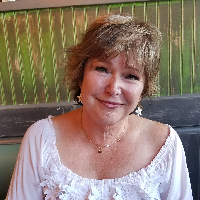

Nancy Lucas
LPC
Oklahoma - 10 yrs exp


















What is Client-Centered Therapy?
Client-Centered Therapy, sometimes called person-centered therapy, grew out of a belief that people have an innate capacity for growth when they are met with empathy, honesty, and acceptance. In this approach the therapist's role is less about directing change and more about creating a responsive environment that encourages you to explore your feelings and values. The emphasis is on understanding your perspective without judgment and helping you reconnect with your own strengths and choices.
Core principles that guide the work
The practice rests on three central attitudes. The first is empathic understanding - the therapist actively listens to sense the meaning behind your words and feelings. The second is unconditional positive regard - you are accepted as you are, which helps reduce self-criticism and defensiveness. The third is congruence - the therapist aims to be genuine and transparent, modeling an honest relational stance. Together these principles create a therapeutic atmosphere that supports personal insight and emotional processing.
How Client-Centered Therapy is used by therapists in Oklahoma
In Oklahoma practitioners draw on Client-Centered techniques in a variety of settings, from private practices in Oklahoma City and Tulsa to community clinics and university counseling centers. Many therapists adapt the approach to fit cultural and community needs - for example by attending to family dynamics, faith traditions, or the economic realities that shape daily life in different towns. In urban areas like Oklahoma City and Tulsa you may find therapists who combine person-centered work with other modalities to address specific concerns, while in smaller communities the emphasis may remain on building a trusting, person-to-person relationship that feels relevant to your context.
Integration with local practices
Therapists across Norman and surrounding towns often highlight accessibility and relational fit when describing their approach. That means you can expect a focus on listening and understanding rather than a rigid treatment plan. Some clinicians will integrate reflective exercises or narrative methods to help you make sense of recurring patterns, while others will simply create a consistent space where you can develop clarity about your goals and choices.
What issues Client-Centered Therapy commonly helps with
This approach is widely used for addressing feelings of low self-worth, relationship struggles, life transitions, grief, and general emotional distress. Because it prioritizes self-exploration, it is particularly helpful if you want to understand why certain patterns keep repeating or if you feel disconnected from your own emotions. People also turn to Client-Centered Therapy when they are facing career uncertainty, identity questions, or the stress that comes with parenting and caregiving. While the approach is not focused on symptom reduction in a prescriptive way, many clients find that increased self-awareness and emotional support lead to meaningful improvements in daily functioning.
What a typical online session looks like
If you choose to work online you can expect a session structure similar to in-person work, adapted for video or phone formats. Sessions often begin with a check-in - you and your therapist briefly review how you have been since the last meeting and raise any immediate concerns. Much of the session will involve open dialogue, where the therapist reflects back what they hear, asks gentle clarifying questions, and notices emotional themes. The pace is guided by you - if you need time to sit with a feeling the therapist will follow rather than rush to solutions. At the end of a session you may summarize insights and consider what, if anything, to carry into the time before the next meeting.
Practical online considerations
When you meet online you will want a quiet, comfortable environment where you can speak freely and focus. Many people appreciate the convenience of scheduling and the ability to see a therapist outside their immediate town - for example connecting with a professional in Tulsa while living near Norman. If you have concerns about technology or access, discuss those at the first contact so the therapist can describe their platform options and any alternatives they offer.
Who is a good candidate for Client-Centered Therapy?
Client-Centered Therapy often suits people who want to deepen self-understanding and who value a collaborative, respectful relationship. If you prefer a therapy that emphasizes exploration over immediate instruction, this approach may fit well. It is accessible to adults, adolescents, and older adults alike, and can be adapted to work with couples and families when the focus is on improving communication and mutual understanding. While some people come with very specific behavioral goals, others arrive seeking relief from a sense of stagnation or a desire to live more authentically - both types of goals can be addressed within a person-centered frame.
When to consider other or additional approaches
There are times when a clinician may suggest integrating other methods, such as skills training or structured interventions, if you have concerns that require targeted techniques. A good therapist will explain why they recommend a combined approach and how it complements the person-centered foundation. Your preferences and the nature of the issue will guide whether combining approaches makes sense for you.
How to find the right Client-Centered Therapy therapist in Oklahoma
Begin by thinking about the practical and personal factors that matter to you. Consider whether you prefer in-person sessions in a local office in Oklahoma City or Tulsa, or whether the flexibility of online appointments would better fit your schedule. Look at therapist profiles to learn about their training, areas of focus, and experience working with people in situations similar to yours. Pay attention to how they describe their approach - some clinicians emphasize empathetic listening as their primary tool, while others note that they blend person-centered principles with family therapy, trauma-informed care, or behavioral techniques.
Reach out for an initial conversation to get a sense of rapport. Many therapists offer brief phone or video consultations so you can ask about session length, frequency, fees, and any questions about how they work. Trust your sense of fit - feeling heard and respected in that first interaction is often a strong indicator of a good match. If you live near Norman or Broken Arrow and prefer in-person work, check for local availability and commute considerations. If you live farther away, online options expand the pool of therapists who can meet your needs.
Also consider practical matters such as insurance participation, sliding scale options, and scheduling flexibility. These details matter to how easily you can maintain consistent sessions, which is often where change begins. Finally, remember that it is okay to try a few sessions and then reassess - finding the right therapeutic relationship is a process, and many people benefit from beginning with curiosity and a willingness to explore what feels most helpful.
A final note on starting therapy in Oklahoma
Choosing Client-Centered Therapy means prioritizing a respectful, empathetic space where you can explore your experience at your own pace. Whether you live in Oklahoma City, Tulsa, Norman, or elsewhere in the state, you can find practitioners who emphasize listening, understanding, and support. Use the listings above to compare profiles, reach out for a consultation, and take the next step toward clearer self-awareness and more intentional living.