Find an Attachment-Based Therapy Therapist in Oklahoma
Attachment-Based Therapy focuses on how early relationships shape patterns of connection, emotion, and behavior. Practitioners offering this approach are available across Oklahoma, including Oklahoma City, Tulsa, and Norman. Browse the listings below to compare clinicians and request appointments.
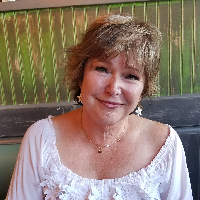



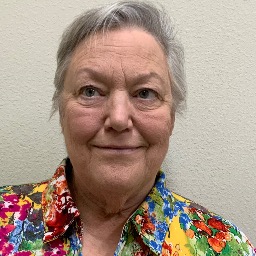





Hope Stephens
LMFT
Oklahoma - 12 yrs exp













What Attachment-Based Therapy Is
Attachment-Based Therapy is an approach that emphasizes the role of relationships and early caregiving experiences in shaping how you relate to others and regulate emotions. Therapists who use this model look at patterns of connection that began in childhood and explore how those patterns show up in current relationships, including with partners, family members, and friends. The work often involves strengthening the therapeutic relationship itself as a context for change so you can practice new ways of relating, experience different responses to emotional needs, and develop greater self-awareness.
Core Principles and How They Guide Therapy
At its core, this therapy emphasizes understanding attachment patterns - for example, whether you tend to avoid closeness, cling to relationships, or alternate between the two. Therapists help you identify the origins of these patterns, including interactions with caregivers, and connect those early experiences to present-day feelings and behaviors. The therapeutic process prioritizes empathy, attunement, and consistent responsiveness from the clinician, creating opportunities to experience a different relational dynamic than you may have had in the past. Over time, that experience can support shifts in expectation, trust, and emotional regulation.
How Attachment-Based Therapy Is Used by Therapists in Oklahoma
Therapists across Oklahoma adapt attachment-focused approaches to fit individual needs and local contexts. In larger cities like Oklahoma City and Tulsa, clinicians often work with a diverse range of clients and may combine attachment work with other evidence-informed methods to address complex issues. In university towns such as Norman, therapists may see young adults exploring relationship patterns as they transition to independence. In both urban and more rural communities, practitioners aim to make the approach relevant to your life by considering family dynamics, cultural background, and community values. Many Oklahoma clinicians offer both in-person sessions and online appointments so you can choose a format that fits your schedule and location.
Common Concerns Addressed with Attachment-Based Therapy
Attachment-Based Therapy is commonly used for relationship challenges, difficulty forming or maintaining close connections, patterns of avoidance or dependency, parenting struggles, and emotional regulation difficulties. People often come to this therapy when they notice repeating patterns in romantic relationships, find it hard to trust others, carry anxious or angry responses that feel disproportionate, or want to change the way they relate to their children. Therapists may also work with couples who want to understand how each partner's attachment history contributes to conflict and distance. While practitioners do not make medical diagnoses here, many clients report greater clarity about relational patterns and practical tools to manage intense emotions.
What a Typical Online Session Looks Like
An online attachment-focused session usually begins with a brief check-in about how you have been since the last meeting and any immediate concerns. The therapist will invite you to describe recent interactions, strong feelings, or dreams that feel relevant to your relationships. Sessions are conversational and reflective - the therapist listens for patterns in how you talk about others and how you react in emotionally charged moments. You may be asked to recall early memories, describe responses you received from caregivers, or notice how your body reacts as you talk about sensitive topics. The clinician uses that information to gently explore unmet needs and to practice new ways of expressing emotion or seeking connection within the session. Sessions typically last 45 to 60 minutes, though some clinicians offer longer couple or family sessions. Before starting online work, you and your therapist will agree on practical details like a comfortable location for you during the call, how to handle interruptions, and a plan in case you need immediate support between sessions.
Technology and Comfort
Most therapists use secure video tools and keep sessions private within their practice policies. You should choose a quiet, comfortable environment where you can speak openly without being overheard. If internet access or scheduling is a barrier where you live, many Oklahoma clinicians provide flexible hours or occasional in-person sessions in cities such as Oklahoma City, Tulsa, and Norman. Discuss accessibility needs with potential therapists so you can find a format that supports consistent engagement.
Who Makes a Good Candidate for Attachment-Based Therapy
Attachment-Based Therapy can be a fit if you are motivated to explore how your early relationships shape present-day patterns and willing to reflect on emotional experiences within a treatment relationship. It is often helpful for adults who want to change recurring relationship behaviors, parents seeking to alter parenting patterns, couples looking to repair trust and intimacy, and individuals who feel stuck in cycles of avoidance or anxiety. Because the work can bring up strong feelings, it can be useful if you have some support in your life or are open to building that support as part of therapy. If you have acute safety concerns or require crisis intervention, a therapist will discuss appropriate options and coordinate care as needed.
Finding the Right Attachment-Based Therapist in Oklahoma
Begin by identifying therapists who list attachment work among their approaches and who have experience with the issues you want to address. Look for clinicians with relevant licensure and training, and consider whether you would prefer someone with specialized experience in working with individuals, couples, or families. When you review profiles, pay attention to descriptions of therapeutic style, populations served, and whether they offer in-person sessions in locations like Oklahoma City, Tulsa, Norman, or Broken Arrow. If cost matters, ask about insurance participation, sliding scale fees, or community resources that may help you access care.
When you reach out for an initial conversation, prepare a few questions about how the therapist integrates attachment work into sessions, what a typical treatment plan might look like, and how progress is measured. Ask about logistics like appointment availability, session length, cancellation policies, and whether the clinician offers telehealth options if you live outside a major urban center. A brief introductory call can give you a sense of fit - whether you feel heard, whether the therapist explains things in a way that makes sense to you, and whether their approach aligns with your goals.
Practical Considerations in Oklahoma
Your location in Oklahoma may influence how you access Attachment-Based Therapy. In metropolitan areas such as Oklahoma City and Tulsa, you typically have a wider range of clinicians and specialty services. If you live in smaller towns or rural parts of the state, telehealth can connect you with therapists who have specific attachment training and experience. Consider commute times, parking, and appointment hours if you prefer in-person work. Also think about cultural fit - many therapists in Oklahoma bring awareness of regional values and family structures into their work, and you can ask directly how they approach cultural or religious considerations in therapy.
Next Steps
Deciding to pursue Attachment-Based Therapy is a step toward understanding and changing how you connect with others. Use the directory listings to compare profiles, read clinician descriptions, and reach out for initial consultations in Oklahoma City, Tulsa, Norman, or wherever you are located. Trust your experience of the first few contacts when choosing a therapist - a good match will leave you feeling understood and hopeful about the path ahead. If you are unsure where to start, consider contacting a few clinicians to describe your goals and see who feels like the best fit for your needs.