Find a Seasonal Affective Disorder (SAD) Therapist in Oklahoma
This page lists therapists in Oklahoma who focus on Seasonal Affective Disorder (SAD) and related mood concerns. Browse profiles below to compare specialties, approaches, and locations across the state.


Nancy Lucas
LPC
Oklahoma - 10 yrs exp






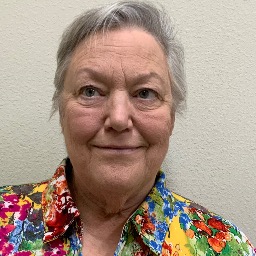








Heather Robinson
LPC
Oklahoma - 25 yrs exp







How Seasonal Affective Disorder (SAD) Therapy Works for Oklahoma Residents
Seasonal Affective Disorder is a pattern of mood changes tied to seasonal shifts, and therapy aims to help you manage those changes so they interfere less with daily life. In Oklahoma, therapists work with you to understand how weather, daylight hours, and lifestyle factors interact with your mood. Therapy for SAD often includes approaches that target thought patterns, activity levels, sleep routines, and coping strategies that are especially relevant during fall and winter months when symptoms most commonly appear.
Your therapist will typically begin by taking a careful history of your symptoms and how they vary with the seasons. From there, you and your clinician develop a plan that might combine psychotherapy techniques, behavioral strategies, and coordination with your primary care provider when medical or medication options are being considered. The goal is to reduce symptom severity, help you maintain routines that support mood, and build skills you can use each year as seasons change.
Finding Specialized Help for SAD in Oklahoma
When you search for a therapist in Oklahoma who understands SAD, look for clinicians who describe experience with mood disorders, seasonal patterns, or specific training in cognitive and behavioral interventions. You can start by narrowing searches to therapists listing these specialties and then review their profiles for mention of treatment approaches that match your preferences. Many Oklahomans in urban and suburban areas seek providers in Oklahoma City or Tulsa for broader specialty options, while those in towns like Norman or Broken Arrow may find clinicians who offer a more local, community-centered approach.
Availability matters. Some therapists offer evening appointments to accommodate work schedules, while others provide focused blocks of sessions in the months leading into winter. If you prefer in-person care, check the clinician's office location and whether their practice is near public transit or major roads. If you prefer flexibility, look for therapists who list telehealth or online sessions for Oklahoma residents, which can expand your options beyond your immediate city.
What to Expect from Online Therapy for SAD
Online therapy can be a practical option if you live in a rural area of Oklahoma or you want to keep continuity of care when you travel. Sessions usually use video calls, though some therapists also offer phone sessions. You should plan to join from a private space where you feel comfortable speaking openly. Most online sessions follow the same structure as in-person work - an initial intake, assessment of symptoms and goals, and regularly scheduled sessions focused on therapy techniques and homework exercises.
Therapists experienced with SAD will guide you through specific behavioral strategies during online sessions, such as structured activity scheduling, light exposure practices that you can implement at home, and cognitive exercises to address seasonal patterns of thinking. They may also help you monitor sleep and activity changes using simple trackers you update between sessions. If coordination with a primary care provider or a local clinic is needed for interventions like light therapy or medication, your therapist can help you plan that step while continuing to provide psychotherapy remotely.
Common Signs That Someone in Oklahoma Might Benefit from SAD Therapy
If you notice a consistent pattern of mood changes that coincide with certain seasons, therapy may be helpful. Many people experience lower energy, oversleeping or difficulty getting out of bed, increased craving for carbohydrate-rich foods, weight gain, withdrawal from social activities, or difficulty concentrating when SAD symptoms appear. You might find yourself putting off tasks you normally manage easily or feeling that winter months sap your motivation. These patterns can repeat year after year and interfere with work, family life, or academic performance.
Residents of Oklahoma often notice these changes as daylight shortens in the late fall and winter, but some people experience spring or summer patterning as well. If your mood shifts are affecting your relationships, job performance, or daily functioning, seeking a therapist familiar with seasonal mood concerns can provide strategies to reduce the impact and help you plan for those seasonal transitions in advance.
Tips for Choosing the Right Therapist for SAD in Oklahoma
Choosing a therapist is both practical and personal. Start by identifying the treatment approach you prefer. Cognitive behavioral therapy and behavioral activation have considerable evidence for treating seasonal mood changes, and many clinicians will describe these methods on their profiles. Ask prospective therapists about their experience working with SAD specifically, and whether they track seasonal patterns or use structured measures to monitor progress.
Consider logistics like location, appointment times, and insurance or payment options. If you live in Oklahoma City or Tulsa, you may have access to therapists with specialized training and multi-disciplinary teams. In smaller communities such as Norman or Broken Arrow, you may find clinicians who offer a community-oriented perspective and familiarity with local lifestyle factors that affect seasonal mood. If cost is a concern, ask about sliding scale fees or community mental health resources in your area.
During an initial contact or consultation, ask practical questions about session length, typical frequency during a season, and how the therapist coordinates care with medical providers when light therapy or medications are considered. It is also reasonable to ask how the therapist measures progress and how long it typically takes to see changes in seasonal symptoms. Good clinicians will welcome these questions and offer a clear sense of what working together would look like.
Preparing for Your First Sessions and Practical Steps Between Appointments
Before your first session, it can help to track when your symptoms started and how they change across weeks and months. Note sleep times, energy levels, appetite changes, and how your mood affects work and relationships. Bring these notes to your initial appointment so you and your therapist have a useful starting point. If you choose online therapy, test your device and internet connection and pick a private space where interruptions are unlikely so you can focus on the conversation.
Between sessions, therapists often assign practical tasks such as regular outdoor light exposure in the morning when possible, consistent wake and sleep times, gradual increase in daytime activity, or journaling to notice seasonal thought patterns. These strategies are meant to be manageable and tailored to your daily routine in Oklahoma - whether you live in a city center or a rural town. Over time you and your clinician will adjust the plan based on what helps most.
Finding Local and Seasonal Support
Oklahoma has a range of mental health resources spread across urban and rural areas. If you live near Oklahoma City or Tulsa you may find clinics that offer multi-disciplinary teams and access to allied health providers. Smaller cities like Norman and Broken Arrow often provide skilled clinicians who understand regional lifestyle and community rhythms. Community centers, support groups, and campus counseling services can also be helpful complements to individual therapy, especially for practical tips on managing seasonal changes.
When you begin therapy, discuss a plan for year-to-year management so you are prepared before symptoms peak. Many people appreciate having a proactive strategy that includes early sessions in the fall, routine monitoring, and quick check-ins as daylight shortens. That kind of forward planning can make seasonal shifts feel more manageable and reduce their impact on your daily life.
Final Thoughts
Seasonal Affective Disorder can feel cyclical, but with the right therapeutic support you can develop tools to lessen its impact. Take time to review therapist profiles, ask focused questions about SAD experience, and choose a clinician whose approach and availability fit your needs in Oklahoma. Whether you meet in person in cities like Oklahoma City, Tulsa, Norman, or work with a therapist online, the important step is reaching out and starting a conversation about what helps you feel more like yourself across the seasons.