Find a Polyamory Therapist in Oklahoma
This directory page highlights therapists in Oklahoma who specialize in polyamory and consensual non-monogamy, including clinicians serving Oklahoma City, Tulsa, Norman, and surrounding areas. Browse the listings below to compare approaches, credentials, and service formats to find a good match.







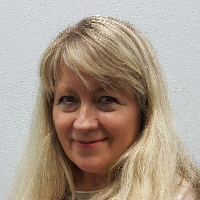
Mary Beth Ritchie
LCSW
Oklahoma - 20 yrs exp















How polyamory therapy can help people in Oklahoma
If you are exploring or living in polyamorous relationships, therapy can be a practical space to address the real-world challenges that arise. Polyamory therapy helps you and your partners develop clearer communication, set boundaries that work for everyone, and create agreements that reflect changing needs. Therapy is often used to navigate emotion management - such as jealousy or insecurity - and to practice negotiation skills that help relationships feel more intentional and respectful over time. In an Oklahoma context, therapists also help clients consider local cultural and family dynamics while honoring the diversity of relationship structures.
Finding specialized help for polyamory in Oklahoma
When searching for a therapist who understands polyamory, look for clinicians who explicitly list experience with consensual non-monogamy, relationship plurality, or ethical non-monogamy on their profiles. Many therapists have training in couples work and in approaches that translate well to multi-partner dynamics. You may find therapists based in Oklahoma City or Tulsa who work with individuals, couples, and groups, and clinicians in Norman who offer flexible scheduling to accommodate complex household calendars. If you live in a smaller town, telehealth options can broaden your access to practitioners with specific expertise.
Questions to ask when contacting providers
When you reach out to a therapist, ask about their experience with polyamory, whether they have worked with multiple-partner sessions, and how they approach consent and boundary-setting. Inquire about the types of therapy they use - for example, relational-cultural approaches, emotion-focused therapy, or acceptance-based methods - and how those modalities are applied to multi-person relationships. Ask how they handle documentation, attendance, and billing when more than two people are participating in sessions. Those practical details help you assess fit before scheduling an intake.
What to expect from online therapy for polyamory
Online therapy can be especially valuable for polyamorous people who have partners in different locations or who need flexible appointment times. Virtual sessions let you include partners from other parts of the state or the country without travel, and they can make it easier to coordinate meetings across complex schedules. Expect the initial session to cover goals, relationship structure, and any safety concerns, followed by collaborative planning about who attends each meeting and how to address personal nature of sessions and privacy. Make sure to ask about the therapist’s technical setup, platform features like waiting rooms and session recording policies, and how they handle multi-participant sessions from a logistical standpoint.
Licensing and telehealth across state lines
If some partners live outside Oklahoma, note that therapists must follow state laws about practicing across state lines. Ask potential providers whether they are licensed to work with everyone who will join sessions. Many Oklahoma-based clinicians provide telehealth to residents of Oklahoma and have systems in place for remote work, but coverage for out-of-state partners depends on licensing rules. Confirming licensure and telehealth policies early prevents interruptions and helps you plan for long-term work.
Common signs you might benefit from polyamory therapy
You might consider therapy if you are experiencing recurring conflicts about agreements, repeated feelings of jealousy that interfere with daily life, or difficulty managing time and emotional energy across relationships. Therapy can be helpful when transitions - such as adding a partner, changing an agreement, or introducing parenting and household responsibilities - create stress or uncertainty. You might also seek therapy if communication has become avoidant or reactive, if past wounds keep resurfacing, or if you want neutral help to negotiate values and boundaries. People in Oklahoma City, Tulsa, or Norman sometimes seek therapy to navigate family reactions, workplace concerns, or faith-related questions while maintaining relationship authenticity.
Tips for choosing the right therapist for polyamory work in Oklahoma
Start by clarifying your goals. Are you looking for short-term help with a specific issue, ongoing relational coaching, or support for individual mental health concerns within a polyamorous context? Knowing what you want will help you evaluate clinician profiles and decide whether to pursue individual, couple, or group therapy. Look for providers who name polyamory or non-monogamy on their profiles and who describe concrete experience working with multiple partners and plural relationships. Pay attention to language that indicates respect for diverse identities and an understanding of consent-focused practices.
Consider logistical fit as well. If in-person sessions matter to you, search for therapists who work in or near major hubs like Oklahoma City or Tulsa. If scheduling multiple partners for the same session is essential, ask about the therapist’s availability for evening or weekend appointments. Many clinicians in Norman and surrounding areas offer a mix of in-person and telehealth options to accommodate different needs. Verify whether a therapist accepts your insurance, offers a sliding scale, or provides package rates for couples and multi-partner work.
Compatibility and approach
Therapeutic style matters. Some therapists take a directive, skills-based approach, guiding communication exercises and concrete agreements, while others use more exploratory or systemic approaches that examine family-of-origin patterns and attachment. Decide which style feels most likely to help you reach your goals. You can ask potential therapists about their experience with jealousy management, compersion, time allocation, and parenting in polyamorous households. Also ask about how they handle ethics when working with multiple partners - for example, how they document consent and how they manage simultaneous relationships with more than one client.
Local considerations and community resources
Oklahoma has a range of cultural contexts, from urban centers to rural communities. In cities like Oklahoma City and Tulsa, you may find more clinicians with explicit polyamory experience and access to local support groups or events. In Norman and other college-influenced areas there can be practitioners who focus on younger adults and identity exploration. If community connection is important, ask about local support groups or peer-led meetups that complement therapy and provide practical perspectives from people living polyamorous lives. Group work can be a useful adjunct to individual sessions when navigating shared agreements or learning communication skills.
Preparing for your first session
Before your first appointment, take time to outline the relationship structure you want to discuss, recent events that brought you to therapy, and specific goals you hope to achieve. If you plan to attend with partners, clarify who will join and how you want sessions to be organized. Preparing a short summary of agreements, current stress points, and strengths in your relationships helps the therapist get oriented quickly. You can also jot down logistical questions about session length, fees, and how notes are kept, so those administrative items do not take up time during therapeutic work.
Moving forward with intentional care
Finding the right therapist is a process - you may meet with more than one provider before you find someone who fits your needs and communication style. Trust your judgment about whether a clinician listens, respects your relationship structure, and offers practical tools that feel applicable to your life in Oklahoma. With thoughtful selection and clear goals, therapy can be a supportive place to strengthen relationships, reduce recurring conflict, and create agreements that reflect the values of everyone involved. When you are ready, use the directory above to contact therapists in Oklahoma City, Tulsa, Norman, or nearby areas and begin exploring options that match your needs and schedule.