Find a Phobias Therapist in Oklahoma
This page lists therapists who specialize in phobias and who serve people in Oklahoma. Use the listings below to compare approaches, availability, and whether a clinician offers online or in-person care.
Browse profiles to learn about training, treatment styles, and how each therapist might help you address intense fears and avoidance.

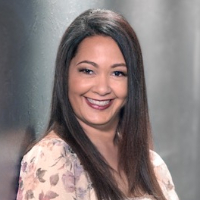
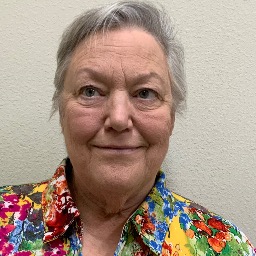



Hope Stephens
LMFT
Oklahoma - 12 yrs exp

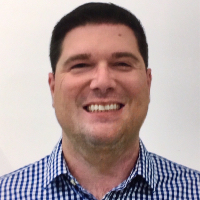

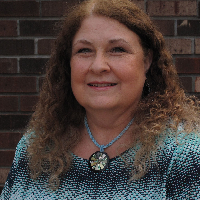
Kathryn Bishop
LPC
Oklahoma - 28 yrs exp


Renee Todd
LPC
Oklahoma - 9 yrs exp



Melissa Berkley
LMFT
Oklahoma - 11 yrs exp



How phobias therapy typically works for Oklahoma residents
When you seek therapy for a phobia in Oklahoma, the process often begins with an intake conversation to understand how the fear shows up in your life. That first meeting is a chance to describe what triggers your anxiety, how long the problem has been present, and how it affects your work, relationships, and daily routines. From there a therapist will discuss goals and a general plan. Many clinicians use evidence-based approaches such as cognitive behavioral therapy and exposure-focused methods. Treatment is collaborative - you and your therapist decide on a pace and a set of techniques that fit your needs and comfort level.
Therapy can be short-term and focused when the goal is to reduce avoidance and build coping skills. It can also be part of longer-term work when fears are tied to other issues like panic, generalized anxiety, or traumatic memories. In Oklahoma you will find clinicians working in private practices, community clinics, university training centers, and outpatient settings. If you live near Oklahoma City, Tulsa, Norman, or other communities, you may have options for in-person sessions as well as remote appointments that fit your schedule.
Finding specialized help for phobias in Oklahoma
Not all therapists treat phobias routinely, so you may want to look for clinicians who list specific experience with exposure work, cognitive techniques, or anxiety disorders. Many therapists describe their approach on directory profiles and mention populations they serve, such as adults, adolescents, or people with specific situational fears. If you prefer someone nearby, search by city name to locate providers in Oklahoma City, Tulsa, Norman, or Broken Arrow. If you need greater flexibility, look for therapists who indicate they offer online sessions to people residing in Oklahoma.
You can also consider training clinics affiliated with local universities when you want a clinician who is supervised by experienced faculty. Community behavioral health centers often provide affordable options and may have therapists with specialized training in anxiety and phobia interventions. When you contact a therapist's office, ask about experience with the particular type of phobia you have - whether it is animal-related, situational like flying or elevators, social fears, or a more specific type - and what a typical treatment plan looks like.
What to expect from online therapy for phobias
Online therapy has become a common option across Oklahoma, and it can be especially useful for phobias because it increases access to clinicians trained in exposure and cognitive methods. In online sessions you and your therapist will use video or phone sessions to review symptoms, practice coping strategies, and plan exposures you can do safely from home or the community. Therapists often assign practice exercises between sessions so you can gradually face feared situations while tracking progress. Online work can be an efficient way to move from discussion to action because you can immediately plan exposures that fit the environments you actually encounter.
Before starting online therapy, confirm that the clinician is licensed to practice in Oklahoma and that you are comfortable with the technical platform and session format. You should also discuss how to handle moments of intense distress during or between sessions. Many therapists in Oklahoma City, Tulsa, and Norman include guidance on crisis planning and local resources as part of the intake process. Online therapy can be a good fit when travel is difficult, when you live outside major urban centers, or when you prefer one-on-one sessions from your home or another calm setting.
Common signs that someone in Oklahoma might benefit from phobias therapy
Phobias often show up as persistent and excessive fear of a specific object, animal, activity, or situation. You might notice that you avoid places or events because of that fear, or that you experience intense anxiety when confronted with the trigger. Physical symptoms such as rapid heartbeat, sweating, trembling, or a sense of impending doom can accompany these episodes. If avoidance affects your ability to work, travel, maintain relationships, or take part in community life, these are clear signs that professional help could be useful.
Sometimes phobias develop after a frightening event, but they can also start gradually and intensify over time. You may find that your fear is disproportionate to the actual danger posed, yet it feels impossible to control. If you live in a rural or suburban area of Oklahoma and worry about access to specialists, online therapy expands your options. In cities like Norman and Broken Arrow you may find community groups or workshops focused on anxiety management that complement individual therapy.
Tips for choosing the right phobias therapist in Oklahoma
When choosing a therapist for phobia treatment, start by looking for clinicians who explicitly mention anxiety, exposure therapy, or cognitive behavioral approaches. Experience matters, but so does fit - you want someone you feel comfortable with and who explains things clearly. Consider the therapist's training, whether they hold relevant certifications, and whether they work with people in a similar life stage as you. If you prefer in-person sessions, search by city to find options in Oklahoma City, Tulsa, Norman, or nearby towns. If scheduling is a barrier, prioritize providers who offer flexible hours or online appointments.
Practical concerns are also important. Ask about insurance acceptance, sliding scale fees, and session length so you have a clear sense of cost. Inquire about expected timeframes for seeing change, and whether the therapist includes homework or real-world exposure practice. You may also want to discuss how progress will be measured and what happens if a particular approach does not help as expected. Good therapists will listen to your concerns and adapt their plan to match your pace and values.
Preparing for your first appointments
Before your first session, take some time to note the situations that trigger your fear, how often you avoid them, and what you have tried so far. Bringing examples makes it easier to describe your experience and helps the therapist design targeted steps. If you are using online therapy, check that your internet connection and device are reliable and that you have a quiet, comfortable place to talk. If you meet in person, arrive a little early so you can complete any intake forms and settle in.
Expect the early phase of therapy to focus on building rapport and a shared plan. Your therapist should explain the techniques they use and offer clear information about the pacing of exposure exercises. You may feel nervous when you start confronting fears, and it is normal for progress to come in gradual steps. Most people notice improvements when they consistently practice skills and exposures with the guidance of a trained clinician.
Finding ongoing support in Oklahoma
Recovery from phobia-related avoidance often continues outside of formal therapy. Consider combining individual sessions with community resources such as support groups or workshops, which may be available in larger centers like Oklahoma City and Tulsa. If transportation is a concern, online trainings and local mental health agencies can provide additional tools. Over time you may find that the skills you build in therapy help you navigate situations with greater ease and confidence.
If you are ready to start, review the therapist profiles on this page and reach out to a few clinicians to ask about their approach and availability. Taking that first step can feel difficult, but connecting with a therapist who understands phobias can make a meaningful difference in how you cope and participate in daily life in Oklahoma.