Find a Panic Disorder and Panic Attacks Therapist in Oklahoma
This page lists therapists in Oklahoma who focus on panic disorder and panic attacks, with options for in-person and online appointments. Use the listings below to compare specialties, locations, and therapy approaches and begin contacting clinicians who fit your needs.

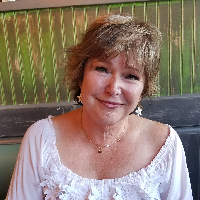














Heather Robinson
LPC
Oklahoma - 25 yrs exp







How therapy for panic disorder and panic attacks works in Oklahoma
If you are experiencing sudden episodes of intense fear, racing heart, shortness of breath, or worry about having more attacks, therapy can help you learn strategies to manage symptoms and reduce their impact on your life. In Oklahoma, many therapists combine assessment, education, and structured coping techniques to help you identify triggers, understand the physiological response of panic, and practice skills that reduce the frequency and intensity of attacks. Sessions typically begin with an intake to gather your history and current concerns, then move into an individualized plan that may include cognitive strategies, breathing and relaxation training, and gradual exposure to feared sensations or situations.
You can expect the therapeutic relationship to be collaborative. Your therapist will invite you to set goals that matter to you, whether that is reducing avoidance of certain places, managing physical symptoms during an attack, or regaining confidence to travel or attend events. Progress is often gradual, and many people notice improvements in their ability to cope and in day-to-day functioning within a few months when they practice skills between sessions.
Finding specialized help for panic disorder and panic attacks in Oklahoma
When you search for a specialist in Oklahoma, consider clinicians who list panic disorder, panic attacks, or anxiety disorders as an area of focus. Many therapists have additional training in cognitive behavioral therapy, exposure-based approaches, or anxiety-focused interventions that are commonly used for panic. You can narrow your search by location if you prefer in-person visits - larger metro areas such as Oklahoma City, Tulsa, and Norman offer more options and a wider variety of specialties. If you live outside those cities, look for clinicians who offer flexible appointment times or telehealth services to reduce travel barriers.
In addition to individual therapists, you may find clinics affiliated with universities, community mental health centers, or specialty anxiety programs. Those settings can provide team-based care and sometimes lower-fee options. If affordability is a concern, ask about sliding scale fees, payment plans, or whether the therapist accepts insurance plans common in Oklahoma. It is reasonable to contact several providers to ask about their experience with panic disorder and what a typical course of treatment looks like.
What to expect from online therapy for panic disorder and panic attacks
Online therapy has become a practical option for many people in Oklahoma, especially if you live in a rural area or have a busy schedule. When you choose telehealth, you will typically meet with a therapist using secure video sessions, though exact tools vary by clinician. You should be able to discuss your symptoms, receive tailored interventions, and practice skills during sessions much as you would in person. Therapists who work online often provide guided exercises, handouts, and homework assignments to help you apply techniques between appointments.
Before beginning online therapy, check technical requirements, privacy practices, and your therapist's emergency procedures. Your therapist should explain how to reach them between sessions, what to do in a crisis, and how they coordinate care with other providers when needed. Some people prefer to start online and transition to in-person care later, while others find telehealth gives them easier access to specialists across the state, whether in Tulsa, Oklahoma City, or smaller towns.
Therapy approaches you may encounter online
Therapists often use cognitive behavioral methods to help you recognize unhelpful thought patterns and replace them with more manageable perspectives. Exposure techniques can be adapted for virtual work, allowing you to practice tolerating feared sensations or situations with a clinician guiding you through the process. Relaxation and breathing skills are commonly taught and practiced in-session so you can use them when panic symptoms arise. Your therapist will tailor interventions to your preferences and pace so you feel supported through the process.
Common signs that therapy might help
You might benefit from professional support if panic attacks are occurring more often, are interfering with daily responsibilities, or if worry about future attacks leads you to avoid places and activities you once enjoyed. Other signs include significant physical symptoms that are hard to control, persistent anticipatory anxiety about having another attack, or a sense that fear is limiting your work, relationships, or independence. If panic symptoms are causing you to change routines or avoid driving, social situations, or public spaces, therapy can offer tools to manage those challenges and regain confidence.
If you are feeling overwhelmed or having thoughts about harming yourself, seek immediate help from local emergency services or crisis hotlines in Oklahoma. Therapists can also help you create a plan for safety and connect with additional resources when needed.
Tips for choosing the right panic disorder therapist in Oklahoma
Start by identifying what matters most to you in a therapist - clinical experience with panic-focused treatment, a particular therapeutic approach, logistics like location and hours, and whether you prefer in-person or online sessions. When you contact a clinician, ask about their experience treating panic disorder and what a typical treatment plan looks like. It is reasonable to inquire about session length, frequency, cancellation policies, and whether they coordinate with medical providers when needed.
Consider practical details such as whether the therapist accepts your insurance or offers sliding scale fees. If you live near major centers like Oklahoma City or Tulsa, you may have access to a wider range of specialists and appointment times. If you live in or near Norman or Broken Arrow, you may find therapists who combine in-person sessions with telehealth for added flexibility. Trust your instincts about rapport - feeling comfortable with your therapist's style and communication is an important part of effective care.
Questions to ask during your search
When you reach out, ask how the therapist assesses panic symptoms and whether they use structured tools to track progress. Inquire about what homework or between-session practice they recommend and how they support you in applying skills outside of therapy. If you have specific concerns - for example panic that occurs mainly in public spaces or panic linked to health worries - mention these so you can find a therapist with relevant experience. Also ask about their approach to handling crises and how they collaborate with other professionals if medication or specialist input is needed.
Making therapy work for your life in Oklahoma
Finding effective help for panic disorder and panic attacks is both a personal and practical process. You can use listings to compare clinicians' specialties and locations, read profiles to learn about their approaches, and reach out with questions before scheduling an appointment. Many Oklahomans combine therapy with self-directed practices like regular physical activity, sleep routines, and stress-management techniques recommended by their clinician. Over time, consistent practice of learned skills often leads to greater confidence in handling panic symptoms.
Whether you are looking for in-person care in Oklahoma City or Tulsa, or prefer online sessions that fit your schedule, there are therapists who focus on panic disorder and panic attacks and can tailor treatment to your needs. Take your time to find a clinician who listens, explains options clearly, and offers a treatment plan that aligns with your goals. Starting the search is a meaningful step toward managing symptoms and improving your day-to-day quality of life.