Find an Older (45+) Therapist in Oklahoma
This page lists therapists in Oklahoma who specialize in supporting older adults aged 45 and up. Browse the listings below to review profiles, specialties, and practice locations across Oklahoma City, Tulsa, Norman and other communities.

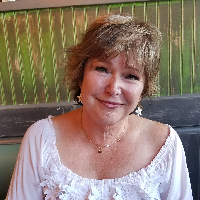








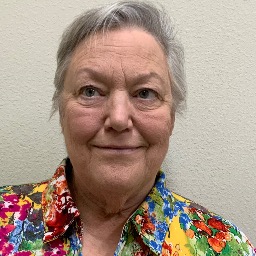

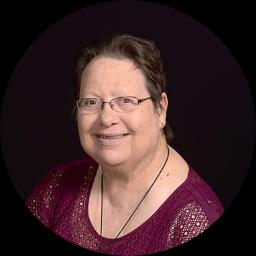



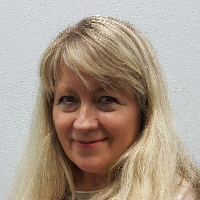
Heather Robinson
LPC
Oklahoma - 25 yrs exp
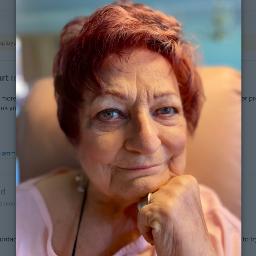

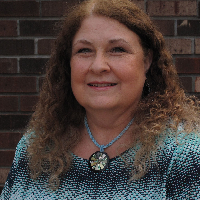
Mary Beth Ritchie
LCSW
Oklahoma - 20 yrs exp




How older (45+) therapy works for Oklahoma residents
Therapy for people 45 and older often emphasizes life transitions, long-term patterns, and practical strategies for emotional wellbeing. In Oklahoma, you can find clinicians who combine experience with approaches tailored to later-adulthood concerns - from managing retirement and changing family roles to coping with loss and chronic health adjustments. Many therapists offer both in-person appointments and online sessions, allowing you to choose the format that fits your schedule and mobility. Whether you live in a central neighborhood of Oklahoma City, a suburban area near Tulsa, or a smaller community outside Norman, you can expect a collaborative process that begins with an assessment of your priorities and goals.
Finding specialized help for older adults in Oklahoma
When you start looking for a therapist who focuses on older adults, consider clinicians who list experience working with midlife and later-life issues. In Oklahoma, some practitioners emphasize geriatric mental health, while others bring strengths in family dynamics, caregiving stress, or life-stage transitions. You might search for therapists near your city - for example those who practice in Oklahoma City, Tulsa or Norman - or expand to nearby towns if you want more options. Check profiles for mentions of therapeutic orientation, years of practice, and the types of concerns they commonly address. Many listings include information about session length, fees, and whether the clinician accepts insurance. If you have mobility limitations or live in a rural area, online options can widen your choices and help you connect with a clinician who has the exact expertise you want.
What to expect from online therapy for older adults
Online therapy can be a practical option if transportation, health concerns, or scheduling make in-person visits difficult. You should expect a similar structure to traditional sessions - an initial intake to review your history and goals, followed by regular sessions that focus on coping skills, insight, and problem solving. Technology needs are usually modest - a smartphone, tablet, or computer with a camera and an internet connection is often enough. Before your first online appointment, ask the therapist about the video platform they use, how they protect session privacy, and whether they offer alternatives like phone sessions if video is not feasible. Also confirm their policies on cancellations, fees, and how they handle urgent situations. If you live in Oklahoma City, Tulsa, Norman or Broken Arrow, some clinicians will combine occasional in-person meetings with virtual follow-ups if that blended approach suits you.
Practical considerations for virtual care
You may want to test your device and internet connection before your first appointment to reduce frustration. Find a quiet, comfortable environment where you can speak freely and avoid interruptions. If you use a caregiver or family member to help with technology, discuss boundaries ahead of time so that your sessions remain focused on your needs. Online therapy can also make it easier to include family members who live elsewhere, allowing you to coordinate conversations across distances when addressing relationship or caregiving topics.
Common signs that someone in Oklahoma might benefit from older adult therapy
You might consider reaching out to a therapist if you notice persistent changes in mood, sleep, appetite, or motivation that interfere with daily life. Adjustment to retirement, loss of a partner or friend, increasing caregiving responsibilities, and worries about memory or health can all create stress that is easier to manage with professional support. Relationship tensions with adult children, questions about purpose after major life changes, or recurring anxiety about the future are also common reasons people seek therapy. If you live in a community where resources feel limited, such as in a smaller town outside Tulsa or Norman, teletherapy can connect you with clinicians who specialize in older adult concerns. You do not need to wait until a situation becomes a crisis - early help can provide tools and perspective that reduce strain and improve daily functioning.
Tips for choosing the right therapist in Oklahoma
Start by clarifying what you want from therapy - practical coping strategies, emotional processing, help navigating family roles, or support with medical-related stress. Use that clarity to guide your search of therapist profiles. Look for clinicians who specifically note experience with adults 45 and older or who describe work with issues you identify with, such as grief, caregiving stress, or life transitions. Pay attention to training, licenses, and whether a therapist mentions collaboration with medical providers, which can be helpful if you are managing health conditions alongside emotional concerns. Consider logistics like office accessibility, parking, and hours if you plan to meet in person, and check if therapists offer evening or weekend appointments if that fits your schedule.
Questions to ask during an initial contact
When you contact a potential therapist, ask about their experience with older adults, the approaches they use, and how they measure progress. Inquire about payment options, whether they accept your insurance, and their cancellation policy. If you prefer a therapist who shares your cultural background, language, or life experiences, mention that during your inquiry. It is also reasonable to ask how they handle emergencies and what resources they recommend if you need help between sessions. Most clinicians will welcome these questions and use them to help you evaluate whether the fit feels right.
Navigating care across Oklahoma cities and communities
Oklahoma's larger cities - Oklahoma City, Tulsa and Norman - typically offer a broader range of specialists and in-person services. Urban centers may have clinicians with niche expertise such as neurocognitive assessment or geriatric care coordination. Smaller towns and rural areas may have fewer in-person options but increasingly offer virtual care. If travel is a concern, look for therapists who provide a mix of in-person and remote sessions or who can link you to local support services. Community centers, religious organizations, and senior resources in your area can also provide referrals or group programs that complement individual therapy.
Preparing for your first sessions
Before your first appointment, take a moment to list the concerns you want to address and a few specific goals for therapy. This can help the clinician tailor the work to your priorities. Bring or have available any relevant medical or medication information if you think it will help the clinician understand your situation. Plan for how you will get to sessions if they are in person, or test your device if your meetings are online. Remember that early sessions are often about building rapport and mapping a plan, so allow a few meetings to evaluate whether the approach and the therapist are a good match for you.
Finding balance and ongoing support
Therapy for adults 45 and older is often about finding balance between practical problem solving and emotional processing. You may focus on improving daily routines, setting boundaries with family, or developing strategies for engaging in meaningful activities after retirement or loss. Over time you should notice increased clarity about choices and more reliable tools for managing stress. If you ever feel the therapy is not meeting your needs, you can discuss adjustments with your clinician or explore alternate providers in the directory. The right therapeutic relationship can help you navigate this stage of life with greater confidence and resilience.
Whether you are seeking support for a specific problem or want to strengthen your emotional wellbeing as you move into later life, the therapists listed on this page offer a range of approaches and settings across Oklahoma. Use the profiles to compare specialties and practical details, and reach out to schedule an initial conversation with a clinician whose background aligns with your needs.