Find a Narcissism Therapist in Oklahoma
This page lists therapists who specialize in working with narcissistic traits and relationship challenges in Oklahoma. You'll find profiles for clinicians who offer in-person and online appointments across the state - browse the listings below to learn more.
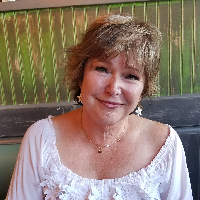











Kathryn Bishop
LPC
Oklahoma - 28 yrs exp










How narcissism-focused therapy works for Oklahoma residents
If you are exploring help for narcissistic traits or the impact of those traits on relationships, therapy focuses on improving self-awareness, communication, and patterns of behavior that cause friction. A clinician trained in this specialty will help you examine how early experiences and ongoing dynamics shape expectations, self-image, and reactions to others. Therapy is not about labeling someone; it is about building insight and practical strategies that can lead to healthier relationships and greater emotional balance. In Oklahoma, many therapists combine evidence-informed approaches with culturally aware practices to reflect the values and communities of the state.
Finding specialized help in Oklahoma
When looking for a therapist in Oklahoma who has experience with narcissistic traits, start by reviewing clinician profiles for mention of relevant modalities such as schema-informed work, psychodynamic therapy, cognitive behavioral strategies, or trauma-informed care. You can also look for therapists who list experience with relationship distress, boundary work, or anger and entitlement patterns. Urban centers like Oklahoma City and Tulsa have a broad range of specialists, while towns such as Norman and Broken Arrow may offer clinicians who provide longer-term continuity and community-based perspectives. If you prefer a particular orientation - such as insight-oriented therapy or skills-based interventions - seek clinicians who describe that focus and who explain how they tailor sessions to each client.
What to expect from online therapy for narcissism
Online therapy offers flexibility for people across Oklahoma, whether you live in metropolitan areas or more rural counties. Sessions typically take place over video, though some clinicians also offer phone or text-based messaging options for follow-up between sessions. In an initial online session you can expect to go over goals, treatment approach, and practical considerations like session frequency and payment. Many therapists will discuss how they handle emergencies and what local resources you can access in case you need immediate support. A benefit of online care is that it expands your pool of clinicians - you may find someone with a particular specialty who is licensed to work with clients in your state, even if they are based in a different city.
Technical and comfort considerations
Before starting online sessions, make sure you have a reliable internet connection and a device with a camera and microphone. Choose a quiet, comfortable environment where you can speak candidly without interruption. Communicate with your therapist about any concerns you have regarding privacy and how your personal information is handled; clinicians follow professional standards for keeping your information discreet and protected. If you prefer in-person appointments, check availability in nearby cities - many people in Norman or Broken Arrow travel to Tulsa or Oklahoma City for broader scheduling options.
Common signs that you or someone you care about might benefit from therapy
You might consider seeking therapy if patterns in relationships are causing repeated conflict, if you notice persistent feelings of entitlement or difficulty empathizing with others, or if interpersonal drama creates stress at work or home. You may also seek help when efforts to change on your own lead to short-term improvements but the same conflicts recur. Family members and partners sometimes look for guidance when they want to set healthier boundaries or learn how to respond constructively. Therapy can help you clarify goals - whether that means improving empathy, learning to accept feedback without escalating, or repairing relationships that have been strained over time.
Tips for choosing the right therapist in Oklahoma
Begin with clarity about what you want to achieve, then look for clinicians who outline a compatible approach. Read profiles to learn about training and experience, and pay attention to whether a therapist describes working with people who present with narcissistic traits or related relational difficulties. During an initial consultation, ask how they balance insight-oriented work with practical skill building, and whether they offer couples or family sessions if relationship repair is a goal. Consider logistical factors such as session format, scheduling, fees, and whether the clinician accepts your form of payment or insurance. If you live near a major hub, you may have more options for daytime or evening appointments; if you are farther out, online care can bridge geographic gaps.
Questions to ask during a consultation
In a brief phone or video call, ask about the therapist's experience with similar concerns and how they measure progress. Ask what a typical session looks like and how long it often takes to notice change. It is appropriate to inquire about the therapist's training in trauma-informed methods and whether they work with couples, as relational patterns often involve more than one person. Trust your impression of the rapport you feel - a good therapeutic match often comes down to feeling heard and understood by the clinician.
Local considerations - resources and cultural context
Oklahoma has a diverse blend of urban, suburban, and rural communities, and cultural values can influence how people view emotional struggles and help-seeking. In Oklahoma City and Tulsa you may find a wide range of specialty groups and clinicians with varied therapeutic orientations. Norman's proximity to universities means you may encounter therapists with training in research-informed approaches, while Broken Arrow and other communities often emphasize continuity and local referral networks. Whatever your location, it can help to ask about a clinician's experience with clients from similar cultural or community backgrounds so you feel your context is understood.
What to expect in the first few months
The early sessions typically focus on building an understanding of your history, identifying patterns that keep you stuck, and setting goals for change. Some clinicians use assessment tools to map relationship dynamics and areas for focus. As therapy progresses, you may practice new ways of responding to criticism, experiment with boundary-setting, and learn strategies to modulate defensiveness. Progress is often gradual and involves setbacks as well as gains. You and your therapist will regularly review how the work is going and decide whether to adjust frequency or focus. If couples or family work is appropriate, sessions may include both individual and joint meetings to address dynamics together.
Paying for therapy and practical access
Payment models vary - some clinicians accept insurance, while others offer private pay with sliding scale options. Verify coverage details with your insurance plan and ask a prospective therapist if they accept that plan or offer a receipt you can submit for reimbursement. If cost is a barrier, community mental health centers and training clinics associated with universities sometimes offer lower-fee services. For people balancing work and family responsibilities, evening or weekend appointments and online sessions can make regular attendance more manageable.
Taking the next step
If you are ready to explore therapy for narcissistic traits or the relational impact of those traits, start by browsing clinician profiles to identify a few who seem like a good fit and reach out for introductions. Many therapists offer brief consultations to help you assess fit before committing to full sessions. Whether you prefer in-person meetings in Oklahoma City or Tulsa, or the flexibility of online care, the right clinician can help you set realistic goals and develop practical skills to improve how you relate to others and how you manage emotional responses. Taking that first step could open a path to more sustainable relationships and greater emotional balance in your daily life.