Find an Isolation / Loneliness Therapist in Oklahoma
This page lists therapists in Oklahoma who specialize in isolation and loneliness. Browse the profiles below to compare therapeutic approaches, locations, and availability across Oklahoma City, Tulsa, Norman and other communities.

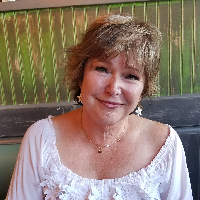

Nancy Lucas
LPC
Oklahoma - 10 yrs exp






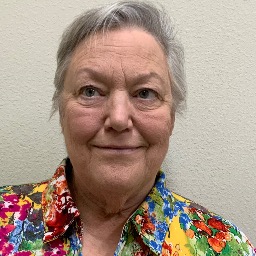





Heather Robinson
LPC
Oklahoma - 25 yrs exp








How isolation and loneliness therapy works for Oklahoma residents
If you are feeling alone or disconnected, therapy can help you understand the patterns that keep you isolated and develop practical ways to reconnect. In a typical first phase you and your therapist will map out what loneliness looks like in your life - whether it is a lack of social contact, difficulty forming close relationships, or a sense of disconnection even when you are around others. From there you will set goals that fit your situation, such as building a small network of contacts, improving social skills, addressing worries that make reaching out feel risky, or finding meaning through activities and community involvement.
Therapists use a range of approaches that may include cognitive-behavioral techniques to shift unhelpful thinking, interpersonal methods that focus on relationships, behavioral activation to increase social engagement, and group work that creates opportunities to practice connection. In Oklahoma, therapists adapt these approaches to your context - whether you live in a larger city or a rural community - and often combine in-person sessions with online meeting options to make ongoing care more practical.
Finding specialized help for isolation and loneliness in Oklahoma
When you search for a clinician, look for someone who explicitly lists experience with loneliness, social anxiety, life transitions or chronic disconnection. Many clinicians will note populations they serve, such as young adults, older adults, veterans, or people coping with chronic health challenges. You can narrow your search by license type and training - for example licensed professional counselors, licensed clinical social workers, and marriage and family therapists often specialize in relationship and social concerns. If you live in or near Oklahoma City or Tulsa you may find a larger pool of specialists, while people in Norman or Broken Arrow may find a mix of local clinicians and those offering telehealth appointments to increase options.
Outside of individual therapy, community resources can be part of a plan. Local support groups, peer-led meetups, volunteer opportunities and interest-based classes create environments where you can practice connections in low-pressure settings. Your therapist can help you identify community options in your area and support you in taking small steps toward greater social engagement.
What to expect from online therapy for isolation and loneliness
Online therapy is a common and practical option in Oklahoma, especially if you live far from an urban center or have a busy schedule. Sessions typically occur over video, but some therapists also offer phone sessions or messaging for between-session check-ins. You should expect an initial intake where your therapist gathers background information, discusses goals, and outlines how online sessions will work, including how to handle emergencies and what to do if technology fails.
Effective online therapy depends on creating a comfortable environment for your sessions. That means choosing a quiet, distraction-free spot where you can speak openly. Therapists often use platforms with encryption and other measures to protect your information and will explain how they handle records and communications. If you prefer a mix of in-person and online care, many clinicians in larger cities like Oklahoma City and Tulsa offer hybrid schedules so you can meet face-to-face when needed and switch to virtual visits between sessions.
Common signs you might benefit from isolation and loneliness therapy
You may wonder whether your experience merits professional help. Several patterns suggest therapy could be useful. If you find yourself withdrawing from friends and family more than usual, losing interest in activities you once enjoyed, or feeling that social interactions leave you exhausted or fearful, these are signals to pay attention to. When isolation starts to affect your work, school, or relationships, or when it is accompanied by persistent sadness, anxiety about social situations, or changes in sleep and appetite, reaching out for support can make a difference.
Loneliness sometimes shows up as difficulty initiating contact - you may want connection but feel unsure how to begin or worry about rejection. In other cases, you might be surrounded by people yet feel emotionally distant. Therapy helps you untangle these patterns, understand the role of past experiences, and practice new ways of relating that feel more rewarding over time.
Tips for choosing the right therapist for isolation and loneliness in Oklahoma
Start by deciding whether you want in-person appointments, online care, or a mix. If you prefer meeting in person, search for clinicians who practice in your city or a nearby town. People in Oklahoma City and Tulsa will generally see more local options, while those in Norman, Broken Arrow, and smaller communities may rely more on virtual services. Once you have a few candidates, review their profiles for relevant experience and training. Note whether a therapist mentions work with social anxiety, relationship difficulties, life transitions, bereavement, or community reintegration - these areas often overlap with loneliness concerns.
When you contact a therapist, prepare a few brief questions. Ask about their experience with isolation, typical treatment approaches, session length and frequency, fees and whether they accept your insurance or offer a sliding scale, and how they handle emergencies. It is helpful to inquire about the first few sessions - some clinicians offer a short consultation or an intake session to see if the match feels right. Trust your instincts during these early steps - a good fit is not just about credential lines, but also whether you feel heard and respected.
If affordability is a concern, look for clinicians who offer lower-cost options, group therapy, or community mental health centers that use a sliding fee scale. University counseling centers and training clinics may provide reduced-rate services under the supervision of licensed professionals. Employee assistance programs offered through some workplaces can also connect you to short-term counseling resources.
Putting a plan into practice in your community
Therapy is one part of a broader approach to reducing loneliness. As you work with a clinician you may try small, achievable steps such as joining a group based on an interest, volunteering with a local organization, or scheduling regular check-ins with friends or family. Your therapist can help you plan actions that match your comfort level and track progress so changes feel manageable. In cities like Oklahoma City and Tulsa you might find more frequent meetup groups and workshops, while in smaller towns you may focus on creating connections through work, faith communities, or neighborhood activities.
Remember that progress often happens gradually. You may notice initial shifts in mood and energy before social circles change more substantially. Therapists aim to equip you with skills to manage setbacks and to build a sustainable pattern of connection that fits your values and lifestyle.
Take the next step
If you are ready to explore therapy for isolation and loneliness, use the listings above to review clinicians in your area, including practitioners who offer online appointments across Oklahoma. Reaching out for a consultation is a practical first move - it gives you a chance to ask about approach, availability and whether the therapist feels like a good match for your needs. Small steps can lead to meaningful changes in how you relate to others and how you experience daily life in Oklahoma City, Tulsa, Norman, Broken Arrow or wherever you call home.