Find an Impulsivity Therapist in Oklahoma
On this page you will find therapists in Oklahoma who focus on impulsivity, including clinicians offering in-person and online appointments. Browse the listings below to compare specialties, approaches, and availability to find a clinician who fits your needs.

Nancy Lucas
LPC
Oklahoma - 10 yrs exp


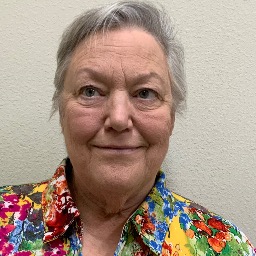







Heather Robinson
LPC
Oklahoma - 25 yrs exp













How impulsivity therapy often works for Oklahoma residents
When you begin therapy for impulsivity in Oklahoma, the process typically starts with an intake conversation to understand your patterns, strengths, and immediate concerns. A clinician will ask about the situations where impulsive actions occur, any consequences you have faced, and how impulsivity affects your relationships, work, or school. From there you and the clinician set realistic goals - these might include learning strategies to pause before acting, reducing risky behaviors, improving decision-making, or restoring trust in important relationships.
Therapy for impulsivity is practical and skills-oriented. You will practice techniques during sessions and apply them to real-life situations between appointments. Progress is often measured by the frequency of impulsive episodes, how you cope in triggering situations, and improvements in daily functioning. Over time, the focus usually shifts from immediate symptom reduction to maintaining new habits and preventing relapse.
Common therapeutic approaches
Several evidence-informed approaches are frequently used to address impulsivity. Cognitive behavioral therapy helps you identify and change thought patterns that lead to impulsive decisions. Dialectical behavior therapy offers skills for emotional regulation, distress tolerance, and interpersonal effectiveness that reduce impulsive reactions in high-intensity moments. Acceptance-based approaches help you develop a different relationship to urges so they have less control over your actions. For adolescents and children, therapists often incorporate parent coaching and behavior-support strategies so families can create consistent routines and consequences that reduce impulsive acting out.
Finding specialized help for impulsivity in Oklahoma
Finding a clinician who understands impulsivity and has relevant experience is important. You can search for providers who list impulsivity, impulse control, or related concerns such as attention differences or emotion regulation as areas of focus. Licensed professionals in Oklahoma may hold credentials such as Licensed Professional Counselor, Licensed Clinical Social Worker, Licensed Marriage and Family Therapist, or psychologist. When you review profiles, look for clinicians who describe specific techniques, populations they work with, and examples of outcomes you care about.
Major population centers like Oklahoma City, Tulsa, Norman, and Broken Arrow tend to have a wider variety of specialists and clinic settings, including outpatient practices, community mental health centers, and university-affiliated training clinics. If you live in a more rural part of the state, telehealth options expand access to clinicians who specialize in impulsivity. You can also check with local community resources, employee assistance programs, and college counseling centers if you are a student or affiliated with a campus.
What to expect from online therapy for impulsivity
Online therapy is a practical option for many people in Oklahoma, offering flexibility for scheduling and removing commute time. During remote sessions you will still engage in the same therapeutic work - assessment, skills training, role-play, and homework assignments - but delivered through video or telephone. You can use online sessions to rehearse responses to impulsive urges in real time, to have therapists coach you through specific challenges, and to receive tools you can apply immediately in your daily environment.
Technology does change the shape of sessions. Therapists may share worksheets, guided exercises, or short recordings to help you practice outside of sessions. Make sure you and your clinician agree on how to handle urgent situations and how to protect your personal information during virtual visits. Also check whether your chosen clinician is licensed to provide services to people located in Oklahoma, since licensing rules affect where a therapist can legally practice. Insurance coverage and payment options for telehealth vary, so verify benefits and fees ahead of time to avoid surprises.
Common signs you might benefit from impulsivity therapy
You might consider reaching out for help if impulsive behaviors are creating repeated problems in your life. Common signs include making sudden decisions you later regret, acting on urges that harm relationships, frequent arguments triggered by impulsive remarks, or difficulty waiting in situations that require patience. Impulsivity can also show up as financial difficulties from unplanned purchases, trouble staying safe behind the wheel, or problems at work or school from hasty choices. If you feel that impulsive reactions are limiting your opportunities or causing ongoing stress, therapy can provide focused tools to change those patterns.
Parents and partners often notice impulsivity when a loved one struggles with consistent routines, reacts strongly in emotionally charged moments, or has trouble following through on commitments. For young people, impulsive behavior may emerge as difficulty with classroom rules, impulsive risk-taking, or volatile friendships. In these situations you may want to seek a therapist who works specifically with the age group affected and can involve family or caregivers as needed.
Tips for choosing the right therapist for impulsivity in Oklahoma
Start by reading clinician profiles to identify therapists who highlight impulsivity, emotion regulation, or related skill work. When you contact a clinic or clinician for an initial consultation, ask about their experience treating impulsivity, examples of techniques they use, and whether they work with people at your life stage. It is reasonable to ask how progress is measured and how frequently you will review goals together. You should also learn about logistical details - typical session length, availability for evenings or weekends if you need them, telehealth options if travel is difficult, and whether they accept your insurance or offer a sliding scale.
Consider fit as well as credentials. You will make faster progress when you feel heard and when the clinician offers practical strategies you can apply. If you live near larger urban centers like Oklahoma City or Tulsa, you may find a wider range of specialization and group therapy offerings. In smaller communities or suburbs such as Norman or Broken Arrow, clinicians may provide a blend of in-person and telehealth care that balances local access with specialized expertise from across the state. If a clinician’s approach does not feel right, it is appropriate to try a few different consultations until you find someone whose style and plan align with your needs.
Questions to ask during a consultation
During a brief phone or video consultation you might ask about credentials and training, how they conceptualize impulsivity, the primary techniques they use, examples of outcomes they aim for, how they involve family when appropriate, their availability and fees, how they coordinate care with other providers if needed, and what a typical first few months of therapy would look like. These questions help you compare clinicians and choose one who offers the experience and approach that match your priorities.
Next steps and practical considerations
When you find therapists who seem like a fit, read full profiles and client reviews if available, and reach out to schedule a consultation. Have a short list of your most important goals so you can share them during the initial call. Think about what will make therapy manageable in your life - timing, cost, and whether you prefer in-person meetings near your city or a remote option that fits your routine. If transportation or scheduling is a barrier, telehealth can make it easier to engage consistently.
Therapy is a collaborative process, and starting with a clear plan increases the chances that you will see meaningful change. Whether you are in Oklahoma City, Tulsa, Norman, Broken Arrow, or elsewhere in the state, a clinician who understands impulsivity can help you build skills to pause, plan, and act in ways that match your long-term values. Use the listings above to compare clinicians, read their approaches, and reach out to set up a consultation so you can begin making practical changes.