Find a Forgiveness Therapist in Oklahoma
This page highlights forgiveness therapists who practice in Oklahoma and offer approaches for healing from hurt and rebuilding relationships. Browse the listings below to compare specialties, credentials, and availability across the state.

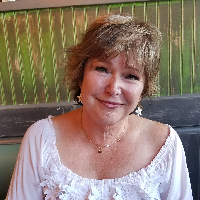

Nancy Lucas
LPC
Oklahoma - 10 yrs exp


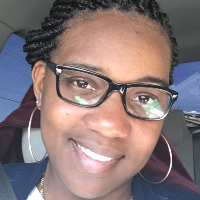



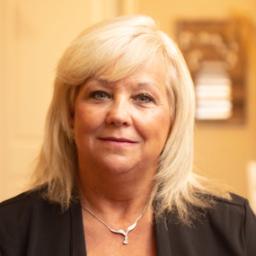
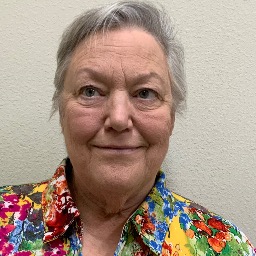







Heather Robinson
LPC
Oklahoma - 25 yrs exp






How forgiveness therapy works for Oklahoma residents
Forgiveness therapy is a focused course of work that helps you examine the impact of past hurts and choose how to relate to them going forward. In sessions you will often look at what happened, how it affected you, and what keeps the pain alive in your life. The goal is not to force forgetting or to excuse harmful behavior but to help you reduce the emotional burden so you can make clearer choices about relationships, boundaries, and personal well-being. Therapists bring clinical skills and structured exercises to guide that process, and many adapt their methods to the realities of life in Oklahoma - whether you live in a busy neighborhood of Oklahoma City, a suburban community near Tulsa or Broken Arrow, or a quieter town outside Norman.
Common approaches and techniques used
You can expect a mix of talk therapy and experiential work. Cognitive-behavioral techniques help you notice and reframe thought patterns that feed resentment. Narrative exercises invite you to tell your story in new ways that reduce shame or blame. Role-play and perspective-taking can increase empathy or clarify boundaries. Mindfulness and emotion-regulation practices teach you to sit with difficult feelings without acting on them. Some therapists integrate faith-sensitive approaches if that matters to you, while others focus on trauma-informed methods if the hurt is linked to more serious events. Each technique is intended to give you practical tools you can use between sessions as you practice new responses in daily life.
Finding specialized help for forgiveness in Oklahoma
When searching for a therapist in Oklahoma, start by looking for clinicians who list forgiveness, interpersonal healing, or relational repair among their specialties. Licensure matters because it indicates a baseline of training and oversight, so you may notice credentials like LPC, LCSW, or psychologist listed in profiles. Experience with related issues - such as grief, betrayal, infidelity, or past trauma - can be relevant because forgiveness work often intersects with those concerns. You might also prioritize cultural competence, especially if you want a therapist who understands the norms, values, or faith communities common in your region.
Where to look and what to ask
Begin with public profiles to read about each therapist's approach and areas of interest. When you reach out, it is helpful to ask how they define forgiveness in clinical work, what methods they use, and whether they have experience helping people with concerns similar to yours. You can inquire about practice logistics such as session length, fees, and whether they offer in-person appointments in places like Oklahoma City, Tulsa, Norman, or telehealth options for more rural areas. An initial conversation or brief consultation can give you a sense of whether you feel comfortable working with a particular clinician.
What to expect from online therapy for forgiveness
Online therapy can be a convenient option in Oklahoma, especially if you live outside major urban centers or have a busy schedule. In online sessions you meet with your therapist via live video or phone, and the structure of the work is similar to in-person therapy - you will talk through experiences, practice exercises, and set goals. Many people find the convenience of meeting from home helps them stay consistent, while others prefer at least a mix of in-person contact and virtual sessions. Therapists adapt homework and experiential tasks for online work so you still have opportunities for reflective writing, guided imagery, or interpersonal experiments between meetings.
If you rely on online care, consider practical details such as whether your therapist offers session times that match your schedule, whether they are licensed to practice with clients in Oklahoma, and how they handle emergencies or referrals. Online work can be especially helpful if you want access to a therapist who specializes in forgiveness but does not practice in your immediate town. That flexibility makes it easier to find a clinician whose approach matches your needs.
Common signs you might benefit from forgiveness therapy
You might consider forgiveness-focused work if you notice recurring patterns that keep you stuck in the past. Persistent anger that surfaces often and feels overwhelming, frequent replaying of painful events in your mind, avoidance of people or places associated with the hurt, or ongoing strain in important relationships are all signs that targeted work could help. You may also feel that resentment is shaping your choices - for example, making it hard to trust new relationships or enjoy activities you used to like. In those cases, forgiving does not mean forgetting what happened; it means changing the role the past plays in your daily life so you can pursue the future you want.
Tips for choosing the right forgiveness therapist in Oklahoma
Choosing a therapist is a personal process and often feels easier when you know what matters most to you. Decide whether you want someone with particular clinical training or a therapist who is comfortable with spiritual or faith-based conversations if that is important in your healing. Look for clinicians who describe a clear approach to forgiveness work and who can explain what progress typically looks like. Practical considerations such as location, session format, fees, and whether they accept your insurance or offer sliding scale options can also shape your decision. Trust your instincts about rapport - feeling heard and respected in the first few meetings is a strong indicator that the therapist may be a good fit.
Local considerations across Oklahoma
Living in a state with both urban centers and wide rural areas can affect access to in-person care. If you are in Oklahoma City or Tulsa you may find a wider range of specialists near you, while smaller communities may have fewer local options but increasing availability of therapists who offer telehealth. University clinics and community mental health centers sometimes provide lower-cost care and can be an entry point if cost is a concern. If you live near Norman or Broken Arrow you can often combine online sessions with occasional in-person meetings if that suits your preferences.
Getting started and what to expect in the first sessions
During the first few sessions a therapist will typically ask about the history of the hurt, what forgiveness means to you, and what you hope to achieve. You will collaborate on goals and plan the first steps of the work. Early tasks often involve identifying core thoughts and feelings, learning grounding strategies, and beginning small experiments to change how you respond to triggers. Over time you and your therapist will track changes in mood, relationships, and daily functioning to see whether the approach is helping you move toward your goals.
Forgiveness therapy is not a single event but a process that unfolds at your pace. Some people find meaningful shifts in a few months, while others engage in longer-term work to address deeper or more complicated hurts. The important thing is that you are choosing deliberate action rather than letting resentment shape your path forward.
If you are ready to explore forgiveness-focused help in Oklahoma, start by reviewing the profiles below, checking credentials and approach, and reaching out to schedule an introductory conversation. Taking that step can help you find a clinician who understands your story and can offer practical guidance as you work toward greater emotional freedom and healthier relationships.