Find a Family of Origin Issues Therapist in Oklahoma
This page connects visitors to therapists in Oklahoma who specialize in family of origin issues, with options for in-person and online care across the state. Browse the listings below to compare qualifications, approaches, and location to find a good match for your needs.
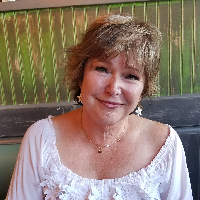

Nancy Lucas
LPC
Oklahoma - 10 yrs exp




















How family of origin issues therapy works for Oklahoma residents
When you seek therapy for family of origin issues, the process typically begins with a thoughtful assessment of how your early family experiences continue to shape your feelings, choices, and relationships. In an initial session a therapist will ask about your family background, key relationships, recurring patterns, and current concerns. From there you and your therapist will develop goals that might include improving communication, changing repeating patterns, setting boundaries, or working through unresolved grief and loss. Therapy often blends gentle exploration of memories with practical skills for the present - so you can both understand influences from your early years and take tangible steps to shape healthier relationships now.
Oklahoma residents may find therapists who use a range of approaches, such as family systems work, attachment-informed therapy, narrative approaches, and trauma-aware methods. A therapist who specializes in family of origin issues will pay attention to family stories and roles, and help you identify patterns that repeat across generations. This work can be done in individual therapy or with family members when that fits your goals and safety considerations. The emphasis is on understanding the past in ways that help you make different choices in the present.
Finding specialized help for family of origin issues in Oklahoma
Finding the right specialist in Oklahoma starts with clarifying what you want to address. Are you trying to heal from difficult childhood experiences, break cycles that affect your parenting, or understand why certain relationships are challenging? Once you know your priorities, search for clinicians who list family of origin work, family systems, attachment, or intergenerational patterns among their specialties. Many therapists in Oklahoma City, Tulsa, Norman, and other communities have additional training in these areas and can describe the models they use during an introductory call.
Accessibility varies by region. In urban centers like Oklahoma City and Tulsa you may find a wider selection of clinicians with specific training and varied modalities. In smaller towns or rural areas it may take more searching, but many therapists offer online sessions to bridge distance. Consider therapists connected to post-graduate training programs, university clinics, or local professional groups, as these often indicate ongoing education in family systems work. Asking about experience with different family structures, cultural backgrounds, and life stages can help you find someone who understands the context of your life in Oklahoma.
What to expect from online therapy for family of origin issues
Online therapy has become a practical option for many people in Oklahoma who need family of origin support but face scheduling, transportation, or geographic limitations. When you opt for remote sessions, you can expect many of the same therapeutic elements as in-person work - reflective conversation, skill building, and a focus on patterns that stem from early family life. Therapists typically use secure video platforms that allow for visual cues and a more personal connection than audio alone. If you prefer, some clinicians also offer phone sessions or hybrid arrangements that mix remote and occasional in-person meetings.
Before beginning online therapy, discuss technology needs, session length, and privacy considerations. It is helpful to choose a quiet, comfortable environment for sessions and to set expectations for interruptions if you share your living space. Online therapy can be especially useful if you live outside Oklahoma City or Tulsa, or if travel is difficult. It also allows you to connect with specialists who may not practice in your immediate area but are licensed to serve clients in Oklahoma.
Common signs that someone in Oklahoma might benefit from family of origin issues therapy
You might consider seeking help if you notice persistent patterns that trace back to family relationships. This could include finding yourself in repeated conflictual relationships, feeling unable to set boundaries with family members, or carrying intense reactions to seemingly small triggers. Parenting challenges that echo how you were raised, difficulty expressing emotions, or a sense of being overly responsible for others are also common indicators. For some people, unresolved grief, loyalty conflicts between family members, or feeling disconnected from your own preferences and values can point to family of origin concerns.
These signs can appear in both daily life and major transitions - when starting a long-term relationship, becoming a parent, or coping with caregiving responsibilities for aging family members. If patterns interfere with your work, friendships, or emotional well-being, therapy can provide a space to explore how early family roles and expectations have shaped you and to practice different ways of relating. In Oklahoma communities that value family ties, exploring these patterns can be especially meaningful for creating healthier relationships while honoring cultural and familial strengths.
Tips for choosing the right therapist for this specialty in Oklahoma
Choosing a therapist is a personal decision, and there are a few practical steps that can help you find a good fit. Start by reviewing therapist profiles to note training, stated specialties, and any descriptions of their approach to family of origin work. Look for clinicians who articulate how they integrate exploration of family history with skills for present-day change. If you have particular needs - for example, experience with multigenerational trauma, adoption-related issues, or faith-informed perspectives - prioritize therapists who mention these areas.
Consider logistics that matter to daily life in Oklahoma. If you live in or near Oklahoma City, Tulsa, Norman, or Broken Arrow you may prefer in-person sessions, but if travel is a barrier, online options can expand your choices. Ask about session frequency, typical length of treatment, fee structure, and whether they offer sliding scale fees or work with insurance plans. An initial consultation call is a good opportunity to gauge rapport, ask how they approach family of origin work, and discuss your goals. Trust your sense of being heard and understood - that connection often makes the difference in whether therapy feels effective.
Another practical consideration is cultural fit. Oklahoma has a diverse mix of urban and rural communities, and a therapist's familiarity with local culture, family norms, and community resources can be helpful. If your family history includes specific cultural or identity factors, seek a clinician who demonstrates sensitivity and respect for those aspects of your life. Finally, consider whether you prefer a therapist who focuses primarily on exploration and insight, or one who blends insight with concrete strategies for communication and boundary setting. Both styles can be effective for family of origin issues; the right match depends on your goals and preferences.
Making the most of therapy in Oklahoma
Once you begin work, be prepared for a mix of challenging reflection and practical progress. Therapy for family of origin issues often involves revisiting difficult memories while learning to respond differently in present relationships. Set realistic expectations about pace - meaningful change can take time, but even a few focused sessions can help you notice patterns and begin to act differently. Use session time to set concrete goals and to review how changes are showing up in your daily life. Many people find it helpful to track patterns between sessions and bring examples to discuss.
Within Oklahoma's communities you can also look for local supports that complement therapy, such as workshops on communication, parenting groups, or community mental health resources. Whether you live in a city or a more rural area, combining professional therapy with practical community supports can strengthen your efforts to heal family of origin wounds and build new relational patterns. If you are ready to explore this work, begin by browsing clinician profiles and reaching out for an initial conversation - that first step often opens the path to lasting change.