Find an Eating Disorders Therapist in Oklahoma
This directory page highlights clinicians who specialize in eating disorders across Oklahoma, with information on their approaches, locations, and service options. Browse the therapist listings below to compare profiles and connect with a clinician in Oklahoma City, Tulsa, Norman, Broken Arrow or other nearby communities.


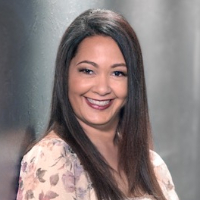



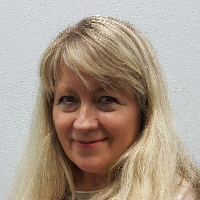
Mary Beth Ritchie
LCSW
Oklahoma - 20 yrs exp








How eating disorders therapy typically works for Oklahoma residents
When you begin looking for help in Oklahoma, the path usually starts with an initial assessment to understand symptoms, patterns around eating and body image, and any related concerns such as mood, anxiety or medical needs. That assessment guides a care plan that can include individual psychotherapy, family-based approaches, nutritional counseling and coordination with medical providers when necessary. Sessions may be weekly at first, and the frequency is adjusted based on how you progress. Your clinician will set goals with you - some focused on stabilizing eating patterns and physical health, others on addressing underlying emotions and thoughts that maintain disordered behavior.
Assessment and collaboration
During intake, a therapist will ask about your current eating patterns, history of dieting or exercise, weight changes, and how eating-related behaviors affect daily life. They will also screen for co-occurring concerns like depression or anxiety. In Oklahoma, many clinicians work closely with primary care physicians or dietitians in the same community - in cities such as Oklahoma City, Tulsa and Norman you may find multidisciplinary teams that coordinate care. That coordination helps ensure your physical health is monitored alongside therapy interventions.
Finding specialized help for eating disorders in Oklahoma
Specialization matters because eating disorders present in varied ways and respond best to treatment tailored to those patterns. You can search for clinicians who list eating disorders as a focus, who have training in cognitive behavioral therapy for eating disorders, family-based treatment, or those who describe experience with binge eating, anorexia or bulimia. In urban centers like Oklahoma City and Tulsa there tend to be more clinicians with advanced training and experience, while smaller communities may offer trusted providers who can work in partnership with out-of-town specialists if needed. When you review profiles, look for clinicians who describe their approach to assessment, treatment planning and how they measure progress over time.
Local considerations and resources
Oklahoma has a mix of urban and rural regions, so access to in-person specialized care can vary. If you live in Norman or Broken Arrow you may find local clinicians who also offer telehealth options, increasing access without long travel. Some communities have support groups, university counseling centers or outpatient programs that provide supplemental support. It can help to map available services in your area and ask prospective therapists how they work with community resources, medical monitoring and nutritional professionals.
What to expect from online therapy for eating disorders
Online therapy has become a common option that expands access across Oklahoma. When you choose virtual sessions, expect much of the same clinical process as in-person work - assessment, goal setting, and therapeutic techniques - delivered through video or phone. Online care can be especially helpful if you live outside major cities or have transportation or scheduling limits. A clinician offering online therapy will outline how they handle safety planning, how to reach them between sessions if needed, and what to do in emergencies. You should also ask about how meal support or check-ins are managed remotely, and whether the therapist can coordinate local medical checks if ongoing physical monitoring is necessary.
Practical tips for online sessions
To get the most from virtual therapy, choose a quiet, comfortable environment where you can speak openly and focus on the session. Make sure your technology works before your appointment to reduce interruptions. If you live in an area with limited connectivity, discuss options with your therapist - some clinicians offer phone sessions as an alternative. Online therapy also opens the possibility of working with a specialist who is based in another Oklahoma city - for example you might connect with a clinician in Tulsa while living in a smaller town - which broadens your choices for approaches and experience.
Common signs someone in Oklahoma might benefit from eating disorders therapy
You might consider seeking help if eating habits are causing distress, disrupting social life, or making it difficult to function at work or school. Warning signs can include preoccupation with food, calories or body shape that consumes a large portion of your day, dramatic weight changes, frequent dieting cycles, or behaviors such as binge eating or restrictive eating that feel out of control. Physical symptoms such as persistent fatigue, gastrointestinal complaints, or changes in menstrual cycles can also accompany disordered eating and are reasons to get assessed. If you are a parent or partner, you may notice a loved one withdrawing from social situations around food or showing intense anxiety about eating in public - these are situations where early contact with a clinician can help.
Tips for choosing the right therapist for this specialty in Oklahoma
Begin by identifying which treatment approach feels like the best fit for your situation - whether you want a therapist experienced with cognitive-behavioral techniques, family-oriented treatment, or work focusing on body image and self-esteem. Read practitioner profiles to learn about their background, training and how they describe progress with clients. Consider logistical factors - do they offer evening sessions, do they accept your insurance, and do they provide in-person visits in cities like Oklahoma City or Tulsa as well as virtual sessions? Trust and rapport matter a great deal, so pay attention to how a clinician responds to your initial outreach - do they answer questions about their experience with eating disorders, and do they discuss what a typical session involves?
Questions to ask during a consultation
When you speak with a potential therapist, ask about their experience treating cases similar to yours, how they involve family members when appropriate, and how they collaborate with medical professionals. Inquire about how progress is monitored and how treatment goals are revisited. If you have specific needs related to work or school schedules in Tulsa or Oklahoma City, mention those logistics to ensure a practical fit. You may also ask about whether they provide meal support or partner with dietitians, and how they handle crises between sessions.
Moving forward with care in Oklahoma
Searching for the right therapist can feel overwhelming, but narrowing your options by treatment focus, logistical fit and initial rapport can make the process manageable. Whether you live in a larger metro area like Oklahoma City or a smaller community near Norman or Broken Arrow, there are clinicians who specialize in eating disorders and offer in-person, telehealth or hybrid care. Reach out to a few profiles, ask targeted questions, and choose a provider who listens, outlines a clear plan and makes it feasible for you to engage in treatment. Taking that first step can open the door to steady progress and a clearer relationship with food and body image.
Final considerations
Remember that recovery often involves gradual changes and collaborative work with professionals and supportive people in your life. If you have immediate health concerns related to eating or weight changes, contact medical services in your area promptly while initiating therapeutic care. Use this directory to explore clinicians across Oklahoma, compare approaches, and request consultations that help you find a therapeutic match suited to your needs and lifestyle.