Find a Disaster Relief Therapy Therapist in Oklahoma
This page lists Disaster Relief Therapy clinicians serving Oklahoma, including professionals who support individuals and communities after tornadoes, floods, and other large-scale events. Browse the therapist profiles below to find a practitioner in Oklahoma City, Tulsa, Norman or surrounding areas who meets your needs.





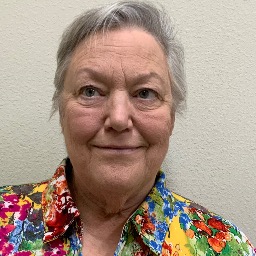





Heather Robinson
LPC
Oklahoma - 25 yrs exp












How Disaster Relief Therapy Works for Oklahoma Residents
When a disaster hits, whether it is a tornado near Oklahoma City, widespread flooding in eastern Oklahoma, or a community emergency in Tulsa or Norman, the emotional and practical impacts can be immediate and long lasting. Disaster Relief Therapy focuses on helping you move from crisis response into recovery by addressing the stress, grief and disruption that follow a traumatic event. Sessions often begin with stabilization - helping you manage intense emotions, sleep disruption and overwhelming practical concerns - and progress toward rebuilding routines, processing what happened, and strengthening supports.
The approach you encounter may combine short-term crisis intervention with trauma-informed therapies when continued support is needed. Some clinicians emphasize psychological first aid and skill-building so you can handle immediate demands. Others offer trauma-focused work that helps you process memories and reduce distress over time. In many Oklahoma communities, providers also work alongside local relief organizations, first responders and schools to coordinate care for people affected by the same event, creating a networked response that respects local needs and resources.
Typical phases of care
Early sessions usually focus on safety and coping tools you can use right away. As you move into recovery, therapy may shift toward processing the emotional aftermath, reconnecting with family and community, and addressing barriers to daily functioning. The length and intensity of care vary based on your situation, the severity of disruption, and your personal goals for healing.
Finding Specialized Help for Disaster Relief in Oklahoma
Searching for a clinician with disaster-relief experience starts with looking for professionals who list trauma response, crisis intervention or disaster recovery among their specialties. You will find providers in metropolitan areas such as Oklahoma City and Tulsa as well as in university towns like Norman. Community mental health centers, nonprofit relief organizations and local health departments often maintain lists of clinicians or offer referrals, and many therapists participate in coordinated disaster response efforts after large events.
When you evaluate a clinician, consider credentials and training that are relevant to disaster work, including experience with group interventions or community outreach. You may also want someone familiar with the specific challenges Oklahomans face, such as recurrent severe weather, displacement after storms, or disruptions to housing and employment. If you live in a rural area of the state, ask about a therapist's availability for remote sessions or their experience coordinating with local services to help you access practical resources.
What to Expect from Online Therapy for Disaster Relief
Online therapy can be a practical option in the aftermath of a disaster, especially when travel is difficult or local offices are affected by damage. If you choose virtual sessions, expect your clinician to discuss how video or phone appointments will work, what platform will be used, and how they handle emergencies or situations when in-person help is necessary. You should also confirm licensing - many states require clinicians to be licensed where you live - so that the provider can legally offer care to you in Oklahoma.
Online sessions typically follow the same basic structure as in-person work, with check-ins, skill-building, and time for emotional processing. You may be guided through grounding exercises, breathing techniques, or brief exposure tasks adapted for virtual delivery. Some clinicians offer hybrid models - mixing in-person meetings when possible with remote check-ins - which can be helpful if you need flexible support while rebuilding routines.
To make the most of remote sessions, create a comfortable environment at home where you can talk openly. Let your clinician know if interruptions are likely, and discuss a plan for what to do if you need more immediate assistance between sessions. Many providers will also help you connect with local resources for housing, financial assistance, or legal guidance as part of a broader recovery plan.
Common Signs You or Someone Else Might Benefit from Disaster Relief Therapy
After a large-scale event, it is common to experience a range of reactions, but there are signs that more focused, professional support could help. If you find your daily routine is significantly disrupted by ongoing anxiety or sleep problems, if you have intrusive memories that make it hard to concentrate, or if you feel persistently numb or disconnected from loved ones, these may be indicators that therapy could support your recovery. You might also notice changes in mood such as increased irritability, periods of intense sadness, or a turn toward unhealthy coping behaviors like greater alcohol or substance use.
Other signs include difficulty managing responsibilities at work or school, sudden conflicts in relationships, or avoidance of places and activities that remind you of the event. If children in your life are showing regressive behaviors, changes in school performance, or fears that did not exist before the event, family-focused disaster relief care can be particularly helpful. Therapy is not only for those with severe reactions; many people seek help to regain a sense of normalcy and to develop stronger tools for managing stress as recovery unfolds.
Tips for Choosing the Right Disaster Relief Therapist in Oklahoma
When you are ready to reach out, think about practical considerations alongside clinical expertise. Location matters if you prefer in-person sessions - look for options in Oklahoma City, Tulsa or Norman if those cities are convenient. If you need remote care, confirm that the clinician is licensed to provide services to Oklahoma residents. Ask about the therapist's experience with disaster response and whether they have worked with people affected by weather-related disasters and displacement. Inquire about the therapeutic approaches they use and whether these align with your preferences for short-term coping strategies or longer-term trauma processing.
Consider how the therapist communicates about costs, session length, and availability. If you rely on insurance, verify whether the provider accepts your plan, and if cost is a concern, ask about sliding scale fees or community programs that offer reduced rates after disasters. Cultural competence is important - seek a clinician who listens to your priorities and understands the local context, including the social and economic factors that influence recovery in different Oklahoma communities.
Practical questions to ask
You may want to ask how the clinician coordinates with other local services and what kind of crisis plan they offer should urgent needs arise. It is also reasonable to ask how progress is measured and how long people in similar situations typically work with the clinician. Clear communication about these topics helps you form realistic expectations and choose a therapist whose approach fits your goals.
When Immediate Help Is Needed
If you or someone you care about is in immediate danger, experiencing thoughts of harming themselves or others, or showing signs of severe disorientation, seek emergency assistance right away. Local emergency services and crisis lines are available for urgent situations. For non-urgent but pressing concerns, many clinics and community organizations in Oklahoma maintain same-day appointment slots or phone consultation hours in the immediate aftermath of disasters.
Finding a therapist who understands how disasters affect daily life can make recovery more manageable. Whether you are looking for short-term support to get through the next weeks, or longer-term care to process a difficult event, the therapists listed on this page provide a variety of approaches and settings to match your needs. Take your time reviewing profiles, and when you feel ready, reach out to schedule a consultation to discuss how a clinician can support your recovery journey.