Find a Dependent Personality Therapist in Oklahoma
This page connects you with therapists in Oklahoma who focus on Dependent Personality and related relationship concerns. Browse the listings below to compare clinician profiles, therapeutic approaches, and availability across Oklahoma City, Tulsa, Norman and nearby communities.




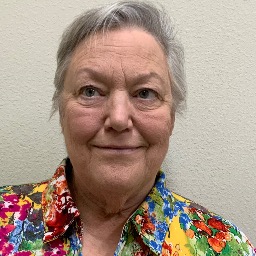



Heather Robinson
LPC
Oklahoma - 25 yrs exp



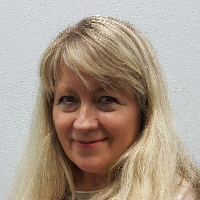
Mary Beth Ritchie
LCSW
Oklahoma - 20 yrs exp



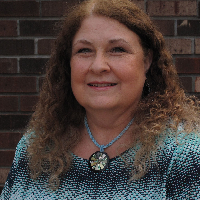
Kathryn Bishop
LPC
Oklahoma - 28 yrs exp








Understanding Dependent Personality and how therapy helps
If you find yourself leaning heavily on others for emotional support, having difficulty making everyday decisions without reassurance, or staying in relationships out of fear of being alone, therapy can help you develop more confidence and self-reliance. Dependent Personality is a way of describing long-standing patterns where seeking approval and care becomes central to how you relate to people. In therapy you and a clinician work to identify the roots of those patterns, learn ways to make choices with greater calm, and practice skills that make daily life feel more manageable and balanced.
Therapists who focus on dependent personality concerns often integrate several approaches. You may encounter cognitive-behavioral strategies that help you test assumptions and try new behaviors. You may also work with relational or psychodynamic approaches that explore how past relationships influence your current responses. The overall goal is practical - to support you in building stronger decision-making, clearer boundaries, and healthier ways of asking for help that do not leave you dependent on others to feel okay.
How therapy typically works for Oklahoma residents
Regardless of whether you live in an urban neighborhood or a rural town, therapy usually begins with an initial assessment where you and a clinician talk about what brings you to therapy and what you hope to change. That conversation establishes priorities for work together and helps you understand what to expect from the first few sessions. In Oklahoma City or Tulsa you might find a wider range of specialized providers, while in smaller communities you may rely more on clinicians offering general psychotherapy with experience addressing relationship patterns. Many therapists provide a mix of short-term skill-focused work and longer-term exploration depending on your needs.
Therapists licensed in Oklahoma hold credentials such as LPC, LMFT, or psychology licensure. When you search for help, noting a clinician's training and experience with personality-related concerns helps you find someone who understands the specific dynamics you face. You can ask about years of experience, populations they work with, and typical goals for clients with dependent patterns so you can get a sense of fit before committing.
Finding specialized help in Oklahoma
When you begin looking for a therapist in Oklahoma, start by identifying what matters most in a therapeutic relationship. Some people prioritize clinicians who emphasize skill building and clear strategies. Others want someone who will help them explore relationship history and underlying emotions. Use directory filters to narrow by location, therapy style, and whether the therapist offers in-person sessions in cities like Oklahoma City, Tulsa, Norman or online options that reach other areas of the state.
Consider practical factors such as appointment times, fees, and whether a therapist accepts your insurance. If you live outside of major metropolitan areas like Broken Arrow or Norman, online sessions can expand your options and allow you to work with someone who has specific experience with dependent personality dynamics. Asking about a therapist's typical session structure and how they measure progress can help you set realistic expectations.
What to expect from online therapy for dependent personality
Online therapy has become a common and effective option for many people across Oklahoma. If you choose remote sessions, expect an initial video or phone intake where you and the clinician review goals and logistics. Online work often emphasizes skills you can practice between sessions - for example, step-by-step decision-making exercises, assertiveness practice, and communication techniques to test in real relationships. Therapists can assign gentle homework to help you experiment with independence in small, manageable steps.
Working online gives you flexibility if you live far from therapists who specialize in dependent personality or if your schedule makes in-person visits difficult. You should check technical requirements and whether the clinician offers phone or video options. It is reasonable to ask how the clinician handles scheduling, length of sessions, and how they support clients when difficult emotions arise between appointments. Clear communication about these processes helps you feel more comfortable trying new approaches while remaining connected to support.
Common signs you might benefit from dependent personality therapy
People seek help for dependent personality concerns for many reasons, but some common signs include a strong fear of being left alone, a pattern of seeking constant reassurance, difficulty initiating projects or making everyday choices without excessive advice, and staying in relationships that feel one-sided because you worry you cannot manage on your own. You might also notice that your sense of self changes dramatically depending on who you are with, or that you prioritize others' needs to the point of ignoring your own safety or wellbeing. If these patterns cause distress at work, in friendships, or in romantic relationships, therapy can offer tools and perspective to change how you relate.
Tips for choosing the right therapist in Oklahoma
Choosing a therapist is a personal decision and it is okay to take time to find someone who feels like a good match. Start by reviewing clinician profiles to learn about their training and stated specialties. When you contact a therapist for an initial consultation, listen for how they describe their approach to dependent personality issues and whether they outline practical strategies you can expect to learn. Consider whether you prefer a clinician with a focus on skills and behavior change or one who emphasizes relational exploration and attachment history.
Fit also includes practical concerns. Look for therapists who offer appointment times that work with your schedule and who provide transparent information about fees and cancellation policies. If you live in a city such as Oklahoma City or Tulsa you may have more availability for immediate appointments, while in areas surrounding Norman or Broken Arrow you may rely more on online options or clinicians who travel between nearby towns. Trust your impression after the first session - it is appropriate to try a few clinicians before deciding who you feel most comfortable with.
Questions to consider during an initial consultation
During a brief phone call or first session, you can ask about the clinician's experience with dependent personality patterns, the kinds of goals they set with clients, and what a typical session involves. You might ask how they track progress, what strategies they use to build decision-making skills, and how they support clients when relationships feel challenging. If you plan to work online, inquire about the platform they use and what to expect if you need to adjust appointments due to technical issues. These conversations help you assess whether the therapist's approach aligns with your needs.
Getting started and next steps
Once you find a therapist whose profile and approach appeal to you, reach out to schedule an initial appointment. Prepare for that first meeting by thinking about specific situations where dependence causes difficulty, goals you want to pursue, and any questions about therapy logistics. Remember that progress often happens gradually - therapy is a process that allows you to practice new skills and test different ways of relating in a supported environment. Whether you connect with someone in Oklahoma City, meet a clinician in Tulsa, or work with a provider online from Norman or another community, the important step is to begin exploring options and find a working relationship that helps you move toward greater confidence and choice.