Find an Attachment-Based Therapy Therapist in Ohio
Attachment-Based Therapy focuses on how early relationships shape emotional patterns and current bonds. Find practitioners offering this approach across Ohio and browse the listings below to explore clinicians near you.





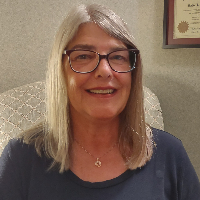
Ashleigh Beechy
LCPC, LIMHP
Ohio - 19 yrs exp


















What Attachment-Based Therapy Is
Attachment-Based Therapy grows from attachment theory, which looks at how your earliest bonds with caregivers shape the ways you relate to others, manage emotions and form expectations about intimacy. The therapy emphasizes the relational context - how interactions with parents, partners and family members influence your sense of safety and trust. Practitioners work to identify patterns that developed in childhood and to create new experiences of connection that can change how you respond to stress and closeness.
The approach often blends emotion-focused techniques with reflective work on relational history. Instead of focusing only on symptoms, Attachment-Based Therapy highlights the interactions that maintain distress. In practice, that means exploring memories, relational scripts and current relationship dynamics so you can experiment with different ways of relating in a supportive therapeutic relationship.
How Attachment-Based Therapists Work in Ohio
Therapists in Ohio use Attachment-Based Therapy in a range of settings - from private practices in Columbus, Cleveland and Cincinnati to community mental health centers and university clinics. Many clinicians combine attachment principles with other evidence-informed techniques, such as emotion-focused work, trauma-sensitive methods and family systems approaches. That blending allows therapists to tailor care to your needs whether you come as an individual, a parent or a couple.
In urban areas like Columbus and Cleveland, you may find clinicians who specialize in perinatal attachment, parenting support and couple repair work. In more suburban or rural parts of Ohio, therapists may focus on strengthening family bonds and addressing intergenerational patterns. Teletherapy has expanded access across the state, so you can often choose a therapist whose training and style fit you, even if they are based in a different Ohio city.
Issues Commonly Addressed with Attachment-Based Therapy
Attachment-Based Therapy is commonly used to help with difficulties rooted in relationship patterns. You might pursue this approach for recurring conflicts with partners, difficulty trusting others, trouble managing emotions in close relationships, or struggles that trace back to childhood experiences. Parents seeking to improve bonding with infants or to break painful cycles with older children also work with attachment-informed clinicians. The therapy is used alongside work for anxiety, mood concerns and trauma-related responses when those issues intersect with relational patterns.
The focus is on how past experiences shape present behavior, and on building new relational experiences that support emotional growth. Therapists aim to help you understand why certain interactions trigger intense reactions and to practice alternative responses in the therapy room so those responses become available in everyday life.
What a Typical Online Attachment-Based Therapy Session Looks Like
If you choose teletherapy, a typical session begins with a brief check-in about how you have been since the last meeting. Your therapist will invite reflection on recent interactions and on moments when old relational patterns may have surfaced. Sessions often include time for exploring specific memories that relate to attachment history and for noticing emotions and bodily responses as you talk about them.
Therapists frequently use gentle guiding questions to help you see patterns in the way you relate to others. They may introduce exercises to practice regulation or to rehearse different ways of asking for support. Because so much of attachment work depends on experiencing a new kind of relationship, your therapist will focus on the therapeutic relationship itself - how you feel with them, how you respond when they offer repair, and what that reveals about your expectations in relationships.
Online sessions require some practical preparation. You will want a quiet room and a reliable internet connection so you can engage without distraction. It helps to choose a comfortable chair and to let household members know you will be unavailable during the session. Your therapist can guide you in creating a setting that supports emotional exploration and safety.
Who Is a Good Candidate for Attachment-Based Therapy
Attachment-Based Therapy can suit people who want to understand and change recurring relationship patterns. If you find that certain dynamics repeat across partners, or if you have difficulty trusting or depending on others, this approach can provide a framework for making sense of those experiences. Parents who want to foster healthier attachment with their infants or to repair strains with older children often find this work helpful.
The therapy is not limited by age. Adults, adolescents and families can all benefit when the focus centers on improving relationships and emotional regulation. If you are motivated to reflect on early experiences and to try new ways of relating, you are likely to find the approach useful. Attachment work is most effective when you are willing to explore emotions and to practice shifts in how you interact outside of sessions.
Finding the Right Attachment-Based Therapist in Ohio
When looking for a therapist in Ohio, start by reading clinician profiles to learn about their training in attachment theory and related approaches. You may prefer someone who has specific experience with couples, parenting, trauma-informed care or perinatal mental health, depending on your goals. In cities like Columbus, Cleveland and Cincinnati there are often specialists who focus on particular populations, while smaller communities may offer clinicians with broad relational expertise.
Consider practical factors such as whether you want in-person sessions or teletherapy, appointment times that fit your schedule and whether the therapist's approach resonates with you. Many therapists offer an initial phone or video consultation - use that time to ask how they conceptualize attachment issues, what a typical course of therapy looks like and how progress is tracked. Trust your sense of fit; the quality of the relationship you build with your therapist is a core part of attachment-focused work.
Questions to Ask During an Initial Consultation
You might ask about a therapist's experience with attachment-informed methods, how they work with couples or parents, and what kinds of techniques they use to support emotional regulation. Ask about session structure, length of typical treatment and whether they provide resources for practice between sessions. You can also discuss logistics like fees, insurance options and whether they offer sliding scale rates if cost is a concern.
Preparing for Your First Sessions
Before your first session, take a moment to clarify what you hope to accomplish in therapy. Think about the relationships that feel most challenging and any recurring reactions you want to change. If you are doing teletherapy, create a quiet room where you can speak openly and be free of interruptions. Bring openness to exploring both memories and present-day interactions, and be ready to discuss strengths as well as difficulties - attachment-informed work often builds on what already works in your relationships.
Finding Attachment-Based Therapy in Ohio means you can connect with clinicians who understand how relational history shapes present life. Whether you are in Columbus, Cleveland, Cincinnati or elsewhere in the state, take time to review profiles, ask questions and choose someone whose approach and presence feel like a match. When you find the right fit, therapy can become a place to practice different ways of relating and to build habits that support more fulfilling connections.