Find a Female Therapist in Ohio
This page connects you with female therapist professionals practicing across Ohio. Browse profiles to compare areas of focus, approaches, and location options to find a clinician who fits your needs.
Use the listings below to explore therapists near you and arrange a consultation or first session.
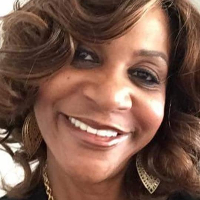









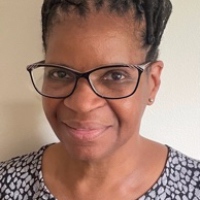













How female therapist therapy works for Ohio residents
When you look for a female therapist in Ohio you are seeking a clinician whose training and style align with your personal needs. Female therapists work in many modalities - talk therapy, cognitive approaches, trauma-informed care, and emotion-focused work among others - and many combine several methods to support your goals. Sessions typically begin with an intake conversation where you and the therapist review your reasons for seeking support, your history, and practical details like scheduling and fees. From there you and the therapist set short-term and longer-term goals and agree on a pace that feels manageable.
Therapists in Ohio follow state licensing requirements and professional standards, so you can expect sessions to be delivered by someone who has completed graduate-level training and holds an active credential. Whether you choose in-person care in your community or remote sessions, the therapeutic process centers on a collaborative relationship where you and the clinician work together to explore patterns, build coping strategies, and address the concerns that brought you to therapy.
Finding specialized help for female therapist in Ohio
Female therapists often build specialties that reflect both clinical interests and lived experience. If you are navigating perinatal or postpartum concerns, reproductive health decisions, relationship challenges, or life changes like divorce or career transitions, look for therapists who list those focus areas on their profiles. Some clinicians emphasize trauma-informed care or attachment work, which can be helpful if you are processing previous hurt or repeated relationship patterns. Others concentrate on issues such as anxiety, mood management, caregiving stress, or support during menopause.
Because Ohio includes diverse communities, you may also want to consider cultural competence and language preferences. Cities like Columbus, Cleveland, and Cincinnati offer clinicians with a variety of backgrounds, including therapists who can support specific cultural, religious, or identity-related concerns. If cultural fit matters to you, review therapist biographies for information about their experience and training, and don’t hesitate to ask questions about how they work with clients who share your background.
What to expect from online therapy for female therapist
Online therapy has become a common option in Ohio for people who need more flexibility or have limited in-person access. When you opt for online sessions you can expect the format to mirror much of the in-person experience - a scheduled meeting time, focused conversation, and therapeutic tasks or reflections between sessions when appropriate. Technology requirements are typically modest - a reliable internet connection and a device with a camera and microphone make video sessions straightforward.
Before your first remote appointment you will usually receive instructions about how to join the session and what to do if technical issues arise. Therapists will also discuss boundaries and emergency planning, such as how to contact them and what steps to take if you need immediate assistance. If you live in a smaller Ohio town or you travel often, online care can widen your options and allow you to continue working with a clinician who understands your needs regardless of physical distance.
Common signs you might benefit from female therapist therapy
You might wonder whether it is the right time to contact a therapist. Many people seek female therapists when they notice persistent changes in mood or daily functioning, such as ongoing sadness, anxiety that interferes with work or relationships, difficulty sleeping, or trouble managing stress. Relationship strain, feeling overwhelmed by caregiving duties, repeatedly revisiting difficult experiences, or wanting support through a life transition are also common reasons to reach out.
Sometimes the signs are less dramatic - you may simply feel stuck, uncertain about the next step in your life, or curious about improving self-understanding and communication. If you find that problems are lasting longer than you expect or affecting your ability to enjoy activities you once valued, working with a therapist can help you develop strategies and a clearer sense of direction.
Tips for choosing the right therapist in Ohio
Choosing a therapist is a personal decision and you can approach it as you would hiring any professional - with attention to fit and practical considerations. Start by clarifying what you want from therapy, whether that is short-term coping skills, long-term exploration, or targeted work on a specific issue. Use profile information to identify clinicians whose specialties and approaches align with those goals. Look for details about training, areas of focus, and any additional certifications that may matter to you.
Practical factors also matter. Consider location if you prefer in-person sessions, or confirm that a therapist offers online appointments if that is more convenient. Check whether the clinician accepts your insurance or offers a sliding scale if cost is a concern. Many therapists provide an initial phone consult or brief intake meeting that allows you to ask about their approach, what a typical session looks like, and how they measure progress.
Compatibility is often the most important factor in successful therapy. You will want to feel heard and respected, and therapists understand that a good fit sometimes takes trying more than one clinician. If a therapist’s style does not feel right after a few sessions, it is reasonable to discuss this with them or continue your search. In larger Ohio cities like Columbus, Cleveland, and Cincinnati you are more likely to find clinicians with a variety of specialties and approaches, which can make it easier to find someone who matches your preferences.
Preparing for your first sessions
When you schedule your first appointment, you can prepare by thinking about the main concerns you want to address and any relevant history - such as previous counseling, major life events, and current supports. It can be helpful to jot down questions ahead of time, like how the therapist structures sessions, their availability between appointments, and what typical progress looks like for the issues you are bringing. If you are attending in person, plan your travel time and consider whether you will need to arrange childcare or time off work. For online sessions test your device ahead of time and choose a comfortable setting where you can speak openly.
Therapy is a process that unfolds over time. Some people notice improvement within a few sessions, while others engage in deeper work that takes longer. Your therapist should work with you to set expectations and adjust the plan as you make progress. If you are exploring therapy for the first time in Ohio, remember that reaching out is a meaningful step toward greater well-being and that many clinicians are ready to help you navigate the path forward.
Next steps
Use the listings on this page to find female therapists practicing in neighborhoods near you or offering remote appointments across Ohio. Read profiles to learn about each clinician’s training and approach, and reach out to schedule a brief consult or first session. Whether you are in a metropolitan center or a smaller community, you can find therapists who will partner with you to address the concerns that matter most to you.