Find an Older (45+) Therapist in North Dakota
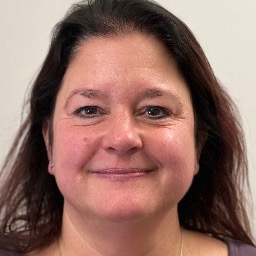
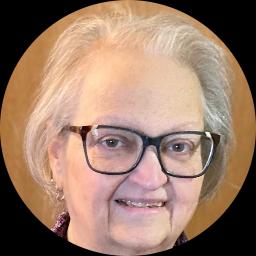
On this page you will find profiles of therapists who specialize in working with older adults (45+) in North Dakota. Browse therapists with experience in midlife transitions, caregiving, grief, and life-stage planning across Fargo, Bismarck, Grand Forks, and surrounding areas. Use the listings below to compare backgrounds, approaches, and availability so you can reach out to someone who feels like a good fit.



How older (45+) therapy typically works for North Dakota residents
If you are considering therapy as you move through midlife or the years that follow, you should know that many therapists tailor their work to the priorities and realities of people aged 45 and up. Sessions usually begin with an intake conversation to learn about your current concerns, history, and goals. From there, you and your therapist develop a plan that may include short-term coping strategies and longer-term work on relationships, identity, or life transitions. In North Dakota, therapists offer both in-person and online options so you can choose what fits your schedule and location.
Your therapy experience will focus on practical, evidence-informed tools alongside reflective conversation. Some clinicians emphasize skill building for stress, sleep, and mood regulation. Others focus on narrative approaches - helping you make sense of role changes such as caregiving, retirement planning, or shifting family dynamics. If you live in a smaller community or an outlying county, teletherapy can expand your access to clinicians with specific older adult expertise without the need for long drives.
Finding specialized help for older (45+) adults in North Dakota
Finding a therapist who understands the patterns that often accompany midlife and later adulthood makes a meaningful difference. You can narrow your search by looking for clinicians who explicitly list experience with midlife transitions, caregiving stress, bereavement, chronic health adjustments, or relationship changes in later life. In cities such as Fargo, Bismarck, and Grand Forks you will often find clinicians with additional training in gerontology or in therapy approaches commonly used with older adults. If those cities are not convenient, consider clinicians who work remotely and who have experience serving clients across the state.
When you read a profile, pay attention to the therapist's stated focus areas and the kinds of interventions they use. Some therapists highlight cognitive-behavioral strategies aimed at altering unhelpful patterns, while others emphasize emotion-focused work that helps you process loss or gain clarity on values for the next chapter of life. You may also find clinicians who offer family or couples sessions when changes affect close relationships. Asking about prior experience with clients in your age range can help you evaluate whether a clinician is a good match.
What to expect from online therapy for older (45+)
Online therapy has become a reliable option for many adults, including those in North Dakota who live far from urban centers. If you choose remote sessions, you can expect appointments to look similar to in-person visits in terms of structure and therapeutic focus. Sessions usually last 45 to 60 minutes and follow a regular schedule to build continuity. You will want a quiet, comfortable environment for sessions, and a basic familiarity with video call tools helps, though many therapists can coach you through the technical setup.
Online work can be particularly helpful when mobility, work schedules, or caregiving responsibilities make travel difficult. It also gives you access to clinicians who specialize in specific age-related concerns even if they practice in a different North Dakota city. If technology feels like a barrier, ask potential therapists about phone-based sessions or hybrid options. Discussing expectations for emergency contact and local resources during your first session is an important practical step, especially if you and your therapist are in different locations.
Common signs that someone in North Dakota might benefit from older (45+) therapy
You may find therapy helpful if you notice persistent shifts in mood, motivation, or daily functioning that interfere with work, relationships, or enjoyment of life. Signs can include prolonged sadness after a loss, overwhelming anxiety about health or finances, difficulty adapting to retirement or a new role, trouble sleeping or changes in appetite, and increasing withdrawal from social contact. You might also seek support if caregiving responsibilities are causing chronic stress or if you are coping with repeated losses that feel hard to process.
Life transitions that are common in midlife - such as children leaving home, career changes, or the onset of chronic health conditions - can bring up questions about identity and purpose. If these questions leave you feeling stuck or cause relational strain, therapy can provide a guided space to explore options and develop coping strategies. In rural areas, where social networks may be smaller, therapy can also serve as a consistent source of support and problem-solving as you navigate limited local resources.
Practical tips for choosing the right therapist in North Dakota
Begin by clarifying what you want from therapy - symptom relief, life planning, grief processing, relationship support, or a combination of goals. With those goals in mind, look for clinicians who explicitly mention work with older adults or those life-stage concerns. Credentials and licensure indicate formal training, but fit matters just as much. Pay attention to writing in profiles that resonates with you, such as descriptions of therapeutic style, pace, and the kinds of outcomes the therapist aims to support.
Location and availability are practical considerations. If you prefer in-person sessions, check for clinicians in your city or a reasonable commuting distance. Fargo, Bismarck, and Grand Forks each have mental health communities with a variety of approaches, while residents of smaller towns may rely more on teletherapy. Ask about fees and whether the clinician accepts your insurance or offers a sliding scale if cost is a concern. You should also inquire about session length, cancellation policies, and whether the therapist offers crisis planning for times when you need urgent support.
During an initial consultation - often a brief phone or video call - pay attention to how comfortable you feel discussing sensitive topics. A good fit is one where you feel heard and where the therapist can explain their approach in clear terms. It is acceptable to try a few sessions and reassess, as sometimes it takes more than one meeting to determine whether a style suits you. If you are seeking culturally attuned care, ask about the clinician's experience with communities and identities that matter to you.
Local resources and next steps
You may find additional support through community centers, aging services, or local support groups that focus on caregiving, bereavement, or chronic illness management. Cities like Fargo and Bismarck often host workshops or public talks related to later-life wellness, and university or hospital systems can offer referrals or specialized programs. If transportation or mobility is a barrier, look for teletherapy options and inquire about daytime or evening scheduling to accommodate work and caregiving duties.
Ultimately, seeking therapy for midlife and later-life concerns is a practical step toward making intentional changes in how you live and relate. By exploring clinician profiles, asking about relevant experience, and choosing a format that matches your logistics and comfort, you can find a partner to help you navigate transitions, cope with loss, and plan for the years ahead. Take the time to browse the listings on this page and reach out to a therapist whose approach aligns with your needs - the first conversation can be an important move toward a more manageable and meaningful next chapter.