Find a Trauma and Abuse Therapist in North Carolina
This page highlights therapists who specialize in trauma and abuse treatment for people living in North Carolina. Explore clinician profiles, practice approaches, and areas served, then browse the listings below to identify therapists who may fit your needs.

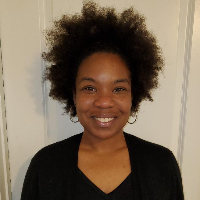
LaShica Hemingway
LCMHC
North Carolina - 12 yrs exp



















How trauma and abuse therapy typically works for North Carolina residents
If you are seeking help after trauma or abuse, therapy often begins with an assessment to clarify your history, current concerns, and immediate needs. During an initial session a clinician will ask about symptoms, relationships, safety, and any supports you already have. From there you and the clinician develop a plan that outlines short-term goals and longer term steps. Many therapists use evidence-informed approaches that focus on symptom reduction, building coping skills, and helping you process traumatic memories when you are ready. Sessions usually last between 45 and 60 minutes and may be weekly at first, then adjusted over time as progress is made. You will work with a licensed professional - for example a licensed clinical social worker, licensed professional counselor, or psychologist - who is authorized to practice in North Carolina and familiar with local resources and laws.
Finding specialized trauma and abuse help in North Carolina
When looking for a specialist you might start by searching for clinicians who list trauma, abuse, or related terms in their profiles. Therapists often describe the populations they serve - adults, adolescents, families, first responders, or survivors of domestic or sexual violence - and the modalities they use, such as trauma-focused cognitive behavioral therapy, EMDR, somatic approaches, or dialectical behavior therapy. Consider clinicians who have additional training or certifications in trauma work, or who have experience collaborating with medical providers, legal advocates, or community organizations. If you live near major centers such as Charlotte, Raleigh, or Durham you will likely find a wider range of specialties and clinic types, including university training clinics and community mental health centers. If you are in a smaller town you can also look for clinicians who offer telehealth sessions to broaden your options.
Checking credentials and local fit
Licensing and professional credentials indicate that a clinician meets state standards for education and practice. You can verify licensure through North Carolina licensing boards if you want confirmation. Experience with trauma and abuse is important, but so is fit - the way a clinician talks about their approach and the rapport you feel in an initial conversation matter. Consider whether you want someone who emphasizes skills-based coping and stabilization, someone who focuses on memory processing, or a clinician who combines approaches. You may also want a therapist who has experience working with your cultural background, identity, or age group. In many communities clinicians collaborate with local victim services, hospitals, and support groups, so asking about those referral patterns can help you find coordinated care.
What to expect from online therapy for trauma and abuse
Online therapy can be a practical option in North Carolina if in-person access is limited by geography, mobility, or scheduling. Telehealth allows you to see a clinician from home or another location, while maintaining continuity if you move between cities such as Greensboro and Asheville. Sessions over video or sometimes phone typically follow the same structure as in-person work - check-ins, skill-building, and focused therapeutic work - but clinicians will also attend to safety planning and privacy practices tailored to remote care. Before a telehealth session you should plan a place where you can speak without interruption and where you feel comfortable discussing sensitive material. If you are engaging in intensive trauma processing online, your clinician will outline how to manage intense reactions and what steps to take in an emergency, including local emergency services in North Carolina. Keep in mind that clinicians must be licensed in the state where you are located during the session, so if you live in North Carolina you will work with a clinician authorized to practice in the state.
Common signs that you might benefit from trauma and abuse therapy
You might consider seeking trauma-focused therapy if past experiences continue to affect your daily life. Signs include recurring intrusive memories, nightmares, or flashbacks that feel overwhelming. You may notice avoidance of places, people, or topics that remind you of an event, or persistent feelings of numbness and emotional distance from others. Increased startle response, difficulty concentrating, changes in sleep or appetite, and sudden mood shifts are common ways trauma can show up. If you find yourself relying on alcohol or other substances to cope, withdrawing from relationships, or having repeated conflicts that seem linked to past experiences, a trauma-informed clinician can help you explore these patterns. Children and adolescents may show symptoms differently - increased irritability, regressions in behavior, academic decline, or physical complaints without a clear medical cause - and therapists who work with young people will tailor approaches accordingly.
Tips for choosing the right trauma and abuse therapist in North Carolina
Start by thinking about what matters most to you in treatment. Do you want a clinician who emphasizes skills to manage symptoms and grounding techniques, or someone who uses memory processing methods? Are you seeking short-term support for stabilization or longer term therapy to work through complex trauma? Practical considerations such as location, insurance participation, sliding scale availability, and whether the clinician offers evening or weekend appointments can influence your choice. If you live near Charlotte, Raleigh, or Durham you may have the option to meet in person or switch between in-person and online sessions. In more rural parts of the state you might rely on telehealth to access specialized care. Reach out to a few clinicians for a brief consultation to get a sense of their approach and how they respond to your questions. During that conversation ask about their experience with trauma and abuse survivors, how they handle crises, and what a typical course of treatment looks like. Trust your impressions - the therapeutic relationship is a key factor in effective care.
Practical next steps and local supports
When you are ready to reach out, prepare a short list of concerns and goals to share during your first contact. This helps a clinician understand your priorities and recommend an appropriate starting point. If you are involved with medical care, legal processes, or community advocacy programs in North Carolina, consider asking a prospective therapist about coordination with those services. Many communities offer support groups and advocacy resources that complement individual therapy, and university clinics in larger cities sometimes provide lower-cost options with experienced trainees under supervision. Keep in mind that immediate crisis needs should be addressed through local emergency services or crisis lines; a therapist can help you build a safety plan and identify resources in your area. Choosing a therapist is a personal process, and taking small steps - reaching out for an initial conversation, asking questions about approach, and checking practical logistics - can help you find care that fits your life and goals.
Final thoughts
Recovering from trauma and abuse is a gradual process and you do not have to navigate it alone. In North Carolina there are clinicians with a range of training and experience who can work with you to build coping strategies, reduce symptoms that interfere with daily life, and explore healing at a pace that feels manageable. Whether you begin with telehealth sessions from your home or meet someone in an office near Charlotte, Raleigh, or Durham, the most important steps are identifying your priorities and connecting with a clinician who respects your needs and supports your goals.