Find a Stress & Anxiety Therapist in North Carolina
This page lists therapists who specialize in stress and anxiety practice across North Carolina, including clinicians serving urban and rural communities. Browse the listings below to compare approaches, credentials, and availability in cities like Charlotte, Raleigh, Durham, Greensboro, and Asheville.

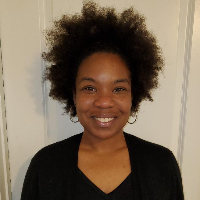
LaShica Hemingway
LCMHC
North Carolina - 12 yrs exp






















How stress and anxiety therapy works for North Carolina residents
If you are seeking help for stress or anxiety in North Carolina, therapy typically begins with an initial assessment to understand the nature and impact of what you are experiencing. A clinician will ask about your current symptoms, daily routines, relationships, sleep and work patterns, and any history of treatment. The goal of that first stage is to create a partnership where you and the therapist agree on priorities and practical steps forward. Over time you will work on skills to manage distress, reduce unhelpful patterns of thought or behavior, and build routines that support well-being.
Therapists in the state may draw on a range of evidence-informed approaches. Cognitive-behavioral techniques help you identify and change cycles of worry and avoidance. Mindfulness-based work teaches ways to shift your relationship with anxious thoughts. Exposure-focused methods help you gradually face fears that have become limiting. Some clinicians integrate stress-management training that targets sleep, activity, and pacing - practical elements that often make a big difference in daily functioning. Your therapist will tailor methods to your situation, whether you live in a city neighborhood in Charlotte or in a smaller community outside Asheville.
Finding specialized help for stress and anxiety in North Carolina
When searching for a specialist you will want to look for clinicians who list stress, anxiety, or related concerns as a core focus. In larger metro areas such as Charlotte, Raleigh, and Durham you will find many clinicians with specialized training and niche expertise, including work with panic symptoms, generalized anxiety, social anxiety, and anxiety that co-occurs with chronic stress at work or caregiving responsibilities. In Greensboro and Asheville you may find therapists who blend traditional approaches with holistic and community-oriented methods.
Outside major cities, therapists may offer general adult mental health care with strong competence in anxiety and stress management. If you live in a rural area, consider therapists who provide weekend or evening appointments, or who offer remote sessions that are available across the state. Clinics affiliated with universities and community mental health centers can be good options if you are seeking sliding-scale fees or clinicians in training working under supervision. You can also look for clinicians who list experience with specific populations - for example, working with college students, first responders, parents, or workplace-related stress - to find a closer fit with your needs.
What to expect from online therapy for stress and anxiety
Online therapy has become a common way for people in North Carolina to access care, especially when distance or scheduling makes in-person visits difficult. If you choose remote sessions you will meet with a licensed clinician who is able to provide therapy to residents of the state. Sessions often take place over video, with options for phone sessions if needed. You should expect a similar structure to in-person care - an initial intake, collaborative goal-setting, and regular appointments to practice skills and review progress.
Remote therapy offers flexibility if you live far from city centers like Charlotte or Raleigh, or if transportation and childcare complicate in-person visits. It can also allow you to connect with a therapist whose specialty matches your needs even if they are based in another North Carolina city. Practical matters to confirm include the therapist's availability, cancellation policies, and whether they accept your insurance or offer other payment options. It can be helpful to create a comfortable environment for sessions where you can speak openly without interruptions and where you have privacy within your home or another chosen setting.
Common signs that someone in North Carolina might benefit from stress and anxiety therapy
You might consider reaching out for support if persistent worry is interfering with your daily life, making it hard to concentrate at work, or causing ongoing sleep problems. Physical symptoms such as frequent tension, headaches, stomach upset, or a racing heart that appear without a clear medical cause often accompany anxiety and can point toward therapy as a helpful step. You may also notice avoidance - skipping social events, turning down work opportunities, or steering clear of places that trigger discomfort - which can narrow your life over time.
Other signs include difficulty managing stress from major life changes - a move to a new city, job transitions, caregiving responsibilities, or family stress. Panic attacks, intense episodes of fear that come on quickly and feel overwhelming, are another reason to seek professional input. If worry is co-occurring with low mood, substance use intended to cope, or conflicts at home or work, a therapist can help you untangle those patterns and develop healthier coping strategies. Therapy is for anyone who wants more effective tools to live well with stress - from college students in Durham to professionals in Charlotte juggling demanding schedules.
Tips for choosing the right therapist for stress and anxiety in North Carolina
Begin by clarifying what you want from therapy - symptom reduction, improved coping skills, help with a specific life transition, or a combination of goals. Look for practitioners who list stress and anxiety among their specialties and who describe the methods they use in plain language. It is reasonable to ask about a therapist's training, years of experience, and familiarity with the particular challenges you face, whether that is exam-related stress, parenting pressures, or workplace burnout.
Consider logistics early on. Think about whether you prefer in-person sessions in a neighborhood office in Raleigh or a video option that fits your schedule. Check whether clinicians offer evening or weekend appointments if you work standard daytime hours. Financial considerations also matter - ask about insurance participation, sliding-scale fees, and whether the clinician offers reduced-cost options for those with limited resources. Language, cultural background, and life experience can influence fit, so if cultural competence or a therapist who shares your background is important, include that in your search criteria.
Trust your early impressions. Many therapists offer an initial phone call or brief consultation - use that time to evaluate whether their communication style feels respectful and practical. You are allowed to change providers if a given approach does not feel like the right match. Effective therapy often begins with a strong working relationship, consistent sessions, and clear, measurable goals that you both agree on.
Working with a therapist over time
Therapy for stress and anxiety is often time-limited, goal-oriented care, but the length of work varies depending on complexity and what you want to achieve. Early sessions often focus on stabilization and building coping tools - sleep routines, grounding practices, and cognitive skills to manage worry. As you progress you may practice facing avoided situations, refining problem-solving strategies, and reinforcing healthy daily patterns that reduce stress reactivity. Periodic reviews of progress help you and your therapist decide when to taper the frequency of sessions or shift focus.
Many people find it helpful to combine therapy with lifestyle changes - regular physical activity, structured sleep, balanced nutrition, and social connection - all of which support mental health. If you live in a region with strong community resources, such as support groups in Asheville or workplace wellness programs in Charlotte, your therapist can help you connect with complementary supports. The most useful therapy tends to be practical, collaborative, and tailored to your life - whether that life is in the state capital, the Research Triangle, or a small town in the mountains.
Taking the next step
When you are ready to begin, use the listings above to compare clinicians by specialty, approach, and availability. Reach out with any questions about their experience with stress and anxiety, what an initial appointment looks like, and how they handle scheduling and fees. Finding the right therapist can take a little time, but taking that step is an important investment in regaining balance and handling stress more effectively. With the right match you will gain practical tools and supportive guidance that fit your life in North Carolina.