Find a Smoking Therapist in North Carolina
This page connects you with therapists who focus on smoking cessation and tobacco use treatment throughout North Carolina. Browse the listings below to find local and online clinicians serving cities like Charlotte, Raleigh, and Durham.






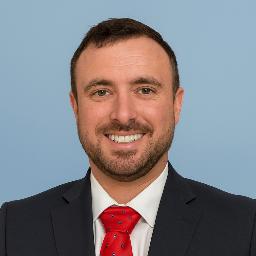
Dwight Kidder
LCSW
North Carolina - 7 yrs exp











How smoking therapy works for North Carolina residents
When you seek help for smoking, you are looking for a partnership that helps you understand your habits, manage cravings, and build a plan that fits your life. In North Carolina, therapists who specialize in smoking use evidence-informed approaches to identify the situations and triggers that keep you using tobacco. Your work with a therapist typically begins with an assessment of your smoking history, patterns, and any previous attempts to quit. From there, you and your clinician develop goals that may focus on quitting entirely, cutting back in a controlled way, or reducing harm. The process emphasizes practical strategies, skills training, and regular check-ins so you can measure progress and adjust the plan as needed.
Treatment approaches you may encounter
Therapists often rely on behavioral methods that target the thoughts and routines connected to smoking. Cognitive behavioral strategies help you notice unhelpful thinking and replace it with coping responses that reduce the desire to smoke. Motivational interviewing is commonly used to strengthen your own reasons for change when you feel ambivalent. Some clinicians integrate stress management, mindfulness, and relapse prevention techniques so you learn to navigate cravings, social situations, and emotional triggers. If you are considering medication or nicotine replacement, therapists typically discuss those options and can coordinate with medical providers so your overall plan complements any pharmacological treatment.
Finding specialized help for smoking in North Carolina
Locating the right therapist in North Carolina means balancing practical considerations like location and scheduling with therapeutic fit and expertise. Cities such as Charlotte, Raleigh, and Durham offer many clinicians with experience in smoking-related concerns, and smaller communities across the state also have professionals who provide targeted support. When searching, look for clinicians who list smoking cessation, tobacco dependence, or substance-related concerns as areas of focus. You can also explore therapists who have training in behavioral therapies, addiction counseling, or health behavior change. If you prefer in-person care, consider proximity to major hubs like Charlotte or Raleigh for greater appointment availability. If travel is a barrier, online therapy expands your options, letting you connect with clinicians who are licensed to work with North Carolina residents regardless of city boundaries.
Licensing and state-specific considerations
Therapists who offer virtual services to you must follow North Carolina regulations when providing care. That typically means the clinician is licensed to practice in North Carolina or is practicing with appropriate authorization. If you plan to use telehealth, confirm that the therapist is eligible to treat residents of North Carolina. This protects you by ensuring the clinician is familiar with local laws and resources and can provide referrals to local medical or support services if needed.
What to expect from online therapy for smoking
Online therapy is a practical option if you live in a more rural area of the state or have a busy schedule. Sessions usually take place over video or phone and follow a similar structure to in-person meetings. Your therapist will conduct an initial assessment, discuss your goals, and propose a plan that includes coping skills, behavioral experiments, and regular follow-up. You may be asked to track cigarettes, note triggers, and practice specific exercises between sessions. Many people find that remote work fits better with their daily routine and allows easier access to specialists who might otherwise be hours away.
Technology, privacy, and logistics
Before starting online sessions, clarify practical details such as session length, frequency, fees, and whether the clinician accepts your insurance. Ask about the platform they use and what steps they take to protect your information. It is also important to have a quiet, comfortable environment where you can speak freely during sessions. If you need referrals for local resources in cities like Durham, Greensboro, or Asheville, your therapist can often provide connections to community programs, support groups, or medical professionals.
Common signs that someone in North Carolina might benefit from smoking therapy
You may consider smoking therapy if you find yourself repeatedly wanting to quit and not being able to follow through, or if smoking interferes with daily activities, finances, or relationships. Other signs include increased tobacco use during times of stress, strong cravings that disrupt work or family life, withdrawal symptoms that make quitting difficult, or growing concern from loved ones about your health. You might also seek help if you have tried to quit on your own and found it hard to maintain progress, or if you want support while using other methods such as nicotine replacement. Therapy can help whether you are at the first step of thinking about change or actively engaged in a quit attempt.
Tips for choosing the right therapist for smoking treatment in North Carolina
Selecting a therapist is a personal decision that benefits from attention to both clinical expertise and interpersonal fit. Start by reviewing therapist profiles to learn about their training and stated approach to smoking or tobacco use. During an initial call or consultation, ask how they typically structure sessions for smoking-related goals, what behavioral methods they use, and how they measure progress. Inquire about experience working with clients in similar situations, whether that is managing stress-related smoking or supporting multiple quit attempts. It is also reasonable to discuss logistics - availability, fees, cancellation policy, and whether they can coordinate care with your primary care provider in North Carolina if you are using medication or need medical oversight.
Practical considerations across cities
If you live in a larger urban area like Charlotte or Raleigh, you may have access to clinics that offer integrated care with behavioral and medical services. In smaller communities, telerehabilitation for smoking may expand your options and connect you with specialists in other parts of the state. Consider whether you prefer a therapist who reflects your cultural background or has experience with specific populations, such as young adults, older adults, or people managing chronic health issues. Good fit often comes down to feeling heard and understood, so trust your sense of rapport during the first few sessions and don’t hesitate to try a different clinician if something feels off.
Preparing for your first sessions
Before your first meeting, you can prepare by noting your smoking history, previous quit attempts, patterns of use, and what you hope to achieve. Think about situations that make you reach for a cigarette and any coping strategies you have already tried. Your therapist will likely ask about motivation, triggers, and daily routines, so having examples ready can accelerate goal-setting. Expect an initial focus on building a personalized plan and establishing a rhythm of support that fits your life. Over time, you will review progress, refine strategies, and develop tools to manage setbacks so you can maintain changes on your terms.
Moving forward in North Carolina
Pursuing smoking therapy is a practical step toward changing a habit that affects many aspects of daily life. Whether you live in Charlotte, Raleigh, Durham, or elsewhere in North Carolina, there are therapists who specialize in helping people reduce or quit tobacco use. Take your time to find someone who listens, explains options clearly, and offers a plan that fits your goals. You can browse profiles, reach out for a consultation, and begin building a strategy that supports real change in a way that matches your life and schedule.