Find a Self-Love Therapist in North Carolina
This page highlights Self-Love therapists available to people across North Carolina, from major cities to smaller communities. Browse the listings below to compare specialties, approaches, and local or online availability.






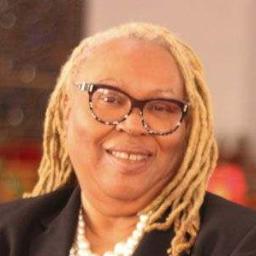
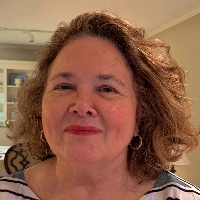



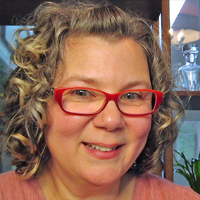
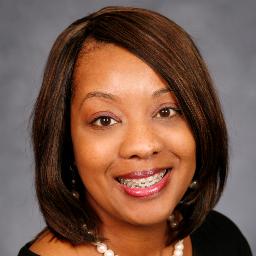
Tanya Richmond
LCSW
North Carolina - 26 yrs exp






How self-love therapy works for North Carolina residents
Self-love therapy focuses on helping you develop a kinder relationship with yourself so you can navigate daily life with more confidence and calm. In North Carolina, therapists blend evidence-informed techniques with an awareness of regional culture and resources, whether you live in Charlotte, Raleigh, Durham, Greensboro, Asheville, or a rural county. Your work in therapy often begins with exploring the stories you tell yourself, patterns of self-criticism, and learned beliefs about worth. From there, a therapist helps you practice new ways of thinking, feeling, and behaving that promote self-compassion and sustainable self-care.
Sessions typically include a mixture of talking, experiential exercises, and take-home practices. Many therapists will introduce skills such as self-compassion exercises, mindfulness practices tailored to your pace, and cognitive tools to challenge harsh self-judgments. Over time, you aim to build habits that make it easier to treat yourself with respect, set healthier boundaries with others, and pursue goals without excessive self-blame.
Finding specialized help for self-love in North Carolina
When you start searching, look for clinicians who explicitly list self-love, self-compassion, or self-esteem work among their areas of focus. In larger cities like Charlotte and Raleigh you will find a wider variety of clinicians and therapeutic modalities, while smaller towns may offer clinicians who combine self-love work with related specialties such as trauma-informed care, relationship counseling, or life coaching. Many therapists include short bios that explain their approach, training, and the kinds of clients they serve, which helps you assess fit before reaching out.
Credentials matter because they tell you about formal training and scope of practice. Licensed counselors, clinical social workers, and psychologists bring different training emphases, and some clinicians pursue additional education in compassion-focused approaches or acceptance-based therapies. If you prefer someone with local knowledge - for instance, an awareness of campus life in Durham or the creative culture in Asheville - check bios for relevant experience. You can also narrow your search by practical needs like evening availability, sliding scale fees, or whether the clinician offers in-person sessions in specific North Carolina cities.
What to expect from online therapy for self-love
Online therapy expands access across a geographically large state like North Carolina. If you live in a rural county or have limited transport options, virtual sessions let you work with a therapist who specializes in self-love even if they are based in a different city. You can expect sessions to resemble in-person meetings in structure - a warm check-in, collaborative goal-setting, focused work on skills or personal history, and suggestions for practices between sessions. Many therapists use video calls, and some offer phone sessions when video is not feasible.
Before your first online appointment, plan a quiet room where you can focus without interruptions. Expect the clinician to explain how they handle records and privacy protections, and to ask about your comfort with remote work. Time zone considerations are minimal within the state because North Carolina is in the Eastern time zone, but be mindful of scheduling if you travel across time zones. Online therapy also makes it easier to maintain momentum when life gets busy, since you can join from home or a car between commitments, provided you have a stable internet connection and a setting that supports your attention.
Common signs you might benefit from self-love therapy
You might consider self-love therapy if you notice persistent self-criticism or a strong inner voice that undermines your confidence. If you frequently compare yourself to others, feel undeserving of care, or find it hard to accept compliments, therapy can help you investigate those patterns and practice alternatives. People who struggle to set boundaries because they fear rejection or who overextend themselves to gain approval often find self-love work transformative.
Other signs include chronic procrastination tied to fear of failure, difficulty recovering from setbacks, or self-soothing habits that leave you feeling worse over time. You do not need to have a crisis to benefit from this work - many people pursue self-love therapy as a proactive way to strengthen emotional resilience, improve relationships, and create a more compassionate internal dialogue. If your daily functioning is impacted - for instance by relationship strain or avoidance of opportunities - a therapist can help you make meaningful, practical changes.
Tips for choosing the right self-love therapist in North Carolina
Start with clarity about what you want
Think about what you hope to change and what success looks like to you. Are you seeking relief from harsh self-talk, more confidence at work, better boundaries in relationships, or tools for coping with anxiety that fuels negative self-appraisal? Being specific about goals will make it easier to evaluate clinician profiles and to articulate your needs during an initial conversation.
Look at approach and training
Read therapist bios for mentions of compassion-focused therapy, acceptance and commitment therapy, cognitive behavioral approaches, or mindfulness-based techniques - these are commonly used in self-love work. Also note whether a therapist mentions working with people from backgrounds similar to yours, or experience with life stages and challenges common in North Carolina communities, such as college transitions in Durham and Raleigh or career changes in Charlotte.
Consider logistics and fit
Practical considerations include whether you prefer in-person sessions in cities like Greensboro or Asheville, or whether online options are more convenient. Ask about session length, fee structure, insurance participation, and sliding scale availability if cost is a concern. You should also trust your initial impression during a phone or intake call - feeling heard and respected in the first interaction is often a good indicator of therapeutic fit.
Ask thoughtful questions
When you contact a therapist, consider asking about their experience with self-compassion practices, how they measure progress, and what a typical session involves. You can ask about homework or between-session practices, and whether they collaborate with other care providers if needed. A clinician who explains their methods clearly and invites collaboration tends to support a stronger working relationship.
Making the most of self-love therapy in North Carolina
Therapy is a process, and integrating new ways of relating to yourself takes time and practice. You can enhance progress by trying suggested exercises between sessions, maintaining consistent appointments when possible, and being open about what is or is not working. If you live in a bustling area like Charlotte or a quieter region of the state, you can pair therapy with local wellness resources - community classes, support groups, or nature-based activities - to reinforce what you learn in sessions.
Finally, remember that finding the right therapist sometimes requires trying a few people until you find someone whose style and approach fit your needs. Use the directory to compare options, read bios carefully, and reach out to those who seem like a match. With thoughtful selection and steady effort, self-love therapy can become a practical, life-enhancing part of how you care for yourself in North Carolina.