Find a Self Esteem Therapist in North Carolina
This page connects you with clinicians who specialize in self esteem across North Carolina. You will find therapist profiles, practice approaches, and options for in-person or online care. Browse the listings below to identify professionals who match your needs and preferences.
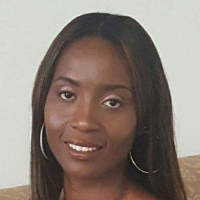
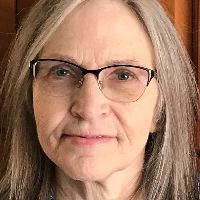
LaShica Hemingway
LCMHC
North Carolina - 12 yrs exp















How self esteem therapy typically works for North Carolina residents
When you begin self esteem therapy in North Carolina, the process often starts with an initial assessment where a therapist asks about your concerns, history, and goals. That intake conversation helps you and the clinician identify the patterns that undermine your sense of self - such as harsh self-criticism, avoidance, or comparison to others - and to choose interventions that fit your situation. Many clinicians blend research-informed approaches so that sessions feel practical and focused rather than abstract. You may work on changing unhelpful thought patterns with cognitive behavioral techniques, practicing self-compassion, exploring the origins of persistent negative beliefs in longer-term therapy, or learning new interpersonal skills that help you feel more confident in relationships and at work.
Therapy is often structured around measurable goals so you can track progress. Early sessions may involve clarifying values and strengths, while later sessions emphasize skill-building, behavioral experiments, and real-world practice. You will likely be encouraged to try new behaviors between sessions - for example speaking up in a meeting, setting a boundary with a friend, or accepting compliments more readily - and then reflect on the outcomes with your therapist. Over time, small consistent changes in thinking and behavior can lead to a stronger, more resilient sense of self.
Finding specialized help for self esteem in North Carolina
To find clinicians who focus on self esteem, begin by reading therapist bios and looking for phrases like low self-worth, self-criticism, confidence building, or self-compassion in their descriptions. Many therapists list populations they work with, such as adolescents, college students, professionals, or people recovering from trauma. If you are in a city like Charlotte or Raleigh, you may have access to a wide range of clinicians with different training backgrounds. In smaller cities or rural areas, such as parts of western North Carolina near Asheville or in northeastern counties, online options can expand your access to specialists who are a good fit.
Consider searching for therapists who have additional training in approaches that match your preferences. For example, if you appreciate structured, skills-based work you might look for clinicians who emphasize cognitive behavioral therapy. If you want to explore deeper relational or developmental roots of self-esteem issues, psychodynamic or attachment-based therapists may be helpful. You can also look for clinicians who specialize in related concerns - like body image, performance anxiety, or perfectionism - because these areas often overlap with self esteem.
What to expect from online therapy for self esteem
Online therapy is a common option across North Carolina and can be especially useful if you live outside major metropolitan areas or have scheduling constraints. In an online session you can expect the same foundational steps as in-person care: an intake conversation, goal setting, and ongoing work tailored to your needs. Sessions are typically held via video or phone, and many therapists will offer a mix of synchronous sessions and written activities or worksheets you can complete between appointments. You should plan to join sessions from a quiet, personal space where you feel comfortable speaking openly.
Online therapy can make it easier to work with a specialist who is not geographically close, which is helpful if you want a therapist with a particular approach or background that is less available in your town. It can also provide continuity if you relocate within the state - for example a student moving between Chapel Hill, Durham, or Raleigh - because you can continue with the same clinician as long as licensure rules allow. When choosing online care, ask clinicians about their experience conducting remote sessions and how they structure homework or practice assignments so you know what to expect.
Common signs you might benefit from self esteem therapy
You might consider seeking therapy if you notice persistent patterns that interfere with daily life. These can include constant self-criticism that undermines your ability to enjoy accomplishments, avoidance of new challenges because you assume you will fail, or difficulty accepting praise without discounting it. You may find yourself comparing your life unfavorably to others online, feeling paralyzed by perfectionism, or having trouble speaking up for your needs at work or in relationships.
Self esteem struggles can also show up as social withdrawal, frequent feelings of shame, or reluctance to pursue opportunities that matter to you. In practical terms, you might avoid job interviews, decline promotions, or steer clear of dating because of a low sense of worth. These patterns can be especially frustrating during life transitions - moving to a new city like Charlotte for work, starting graduate school in Raleigh or Durham, or navigating family expectations in smaller communities. Therapy can help you understand how these patterns developed and give you concrete tools to try new behaviors that align with your goals.
Tips for choosing the right self esteem therapist in North Carolina
When evaluating potential therapists, start by reviewing their training and professional titles so you understand their background. Licensed clinical social workers, licensed professional counselors, marriage and family therapists, and psychologists each bring different training models, but what matters most is their experience with self esteem work and your sense of fit. Read profiles to learn about the therapist's typical approaches and the populations they serve. If a therapist mentions experience working with young adults, performance anxiety, or issues related to identity, this may indicate a closer match for your needs.
Practical considerations matter as well. Think about whether you prefer in-person sessions in cities like Greensboro or Asheville, or whether online visits are a better fit for your schedule. Check availability for evenings or weekends if you work full time. Ask about fees, sliding scale options, and whether the therapist accepts your insurance if that is important for affordability. Many therapists offer a brief phone consultation so you can get a sense of their style and whether you feel comfortable talking with them. During that call, you can ask how they measure progress, what a typical session looks like, and how they adapt their work to individual preferences.
Culture, identity, and local considerations
Because North Carolina is diverse in its communities, it is helpful to find a therapist who understands your cultural or regional context. Clinicians practicing in larger urban centers may have different community resources and referral networks than those in mountain or coastal regions. If your identity - including race, religion, gender, sexual orientation, or immigrant experience - is central to your concerns, look for clinicians who emphasize cultural humility and relevant experience. It is reasonable to ask a therapist about their experience working with people who share aspects of your identity, and how they incorporate that understanding into their work on self esteem.
Ultimately, choosing a therapist is a personal decision. You do not need to have everything figured out before you start. A good first step is to reach out to a few clinicians, attend an initial session, and notice how you feel after the meeting. If the therapist's style, explanations, and suggested strategies resonate with you, that is a strong sign you may have found a productive match. If not, it is okay to keep looking until you find someone who feels right.
Moving forward
Seeking help for self esteem is a deliberate step toward living with more confidence and direction. Whether you are exploring options in Charlotte, connecting with campus resources in Raleigh or Durham, or choosing online care from a rural county, you can find clinicians who specialize in this work. Use the listings above to compare profiles, read about approaches, and schedule consultations. With consistent work and a therapist who fits your needs, you can develop practical skills to challenge negative beliefs and build a more positive relationship with yourself.