Find a Relationship Therapist in North Carolina
This page lists relationship therapists practicing in North Carolina, including clinicians offering in-person and online sessions. Browse the profiles below to compare specialties, approaches, and availability across cities like Charlotte and Raleigh.
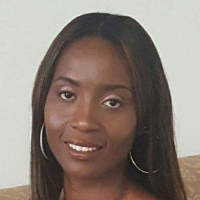
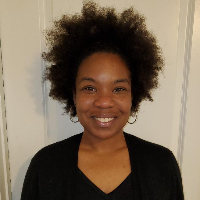
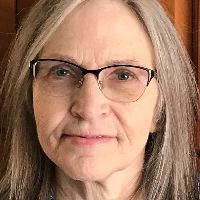
LaShica Hemingway
LCMHC
North Carolina - 12 yrs exp















How relationship therapy works for North Carolina residents
Relationship therapy is focused on improving patterns between partners, whether you are dating, engaged, married, co-parenting, or living apart. In North Carolina, therapy is provided by licensed clinicians who use a range of evidence-informed approaches to help people strengthen communication, resolve recurring conflicts, and build more satisfying connections. Sessions may focus on interaction patterns, emotional needs, problem-solving skills, or larger life changes that affect relationships, such as job moves, family illness, or transitions to parenthood.
When you begin, a therapist will usually take time to understand the immediate concerns and the history of your relationship. That may include questions about communication habits, emotional triggers, expectations, and the strengths you want to preserve. The clinician will then suggest a treatment focus and a plan for sessions - sometimes combining joint meetings with time for each partner to speak individually. This flexible structure helps therapists respond to both short-term issues and longer-term dynamics.
Finding specialized relationship help in North Carolina
North Carolina communities offer a wide range of specialists who work with couples and partners. In larger cities like Charlotte, Raleigh, and Durham you will find clinicians who specialize in particular methods such as emotionally focused work, integrative couples therapy, or approaches grounded in behavioral interventions. If you live outside major metro areas, there are therapists who offer remote sessions so you can access specialized care without a long commute.
Look for a therapist who lists relationship work or couples counseling as a specialty on their profile. Many clinicians include information about training, years of experience, and the kinds of relationships they serve - for example premarital counseling, couples managing high conflict, or partners navigating separation. You can also search for clinicians who bring cultural competence for communities across North Carolina, including urban, suburban, and rural perspectives.
What to expect from online relationship therapy
Online therapy has become a common option in North Carolina and can be an effective way for partners to meet with a therapist when schedules, geography, or mobility make in-person work difficult. You should expect to use a video platform approved by the clinician, and to have options for meeting from your home, office, or another comfortable environment. Many therapists blend online and in-person sessions based on what works best for the couple.
When you choose online sessions, it is reasonable to ask about how the clinician protects your information, how to handle technical difficulties, and what to do in emergencies. Sessions conducted online follow many of the same structures as in-person work - goal setting, skill building, and practice between sessions - but they also require attention to logistics like camera placement and minimizing interruptions. For partners who live apart or who need flexible scheduling, online therapy can make ongoing work much more manageable.
Common signs that someone in North Carolina might benefit from relationship therapy
You might consider relationship therapy if conversations regularly turn into arguments, or if you and your partner feel stuck repeating the same patterns without resolution. A decline in emotional or physical intimacy, persistent mistrust, or frequent avoidance of important topics are common reasons couples reach out for support. Life transitions such as having a child, relocating for work, or dealing with aging parents can also place pressures on a relationship that are easier to address with a neutral guide.
Other indicators include repeated disagreements about finances, household responsibilities, or parenting approaches that leave both partners feeling unheard. If one or both partners have experienced infidelity, substance-related concerns, or trauma history that affects the relationship, a therapist can help you navigate the impact and decide on next steps. You do not need a crisis to benefit from therapy - many people come for prevention and to strengthen skills so small problems do not become larger ones.
Practical tips for choosing the right relationship therapist in North Carolina
Start by identifying what you want to achieve in therapy. Are you looking to improve communication, work through trust issues, plan for major life changes, or learn conflict-resolution skills? When you know your goals, you can look for clinicians whose profiles mention those focuses and methods. Many therapists describe their theoretical approach and list specific models they use, such as emotionally focused work, cognitive-behavioral methods adapted for couples, or approaches designed for premarital counseling.
Consider logistics such as location, hours, and whether you prefer in-person sessions in cities like Charlotte, Raleigh, or Durham, or the convenience of online appointments. Ask about fees, insurance participation, and sliding-scale options if cost is a concern. An initial consultation can give you a sense of rapport - how comfortable you feel with the therapist's tone, style, and questions. It is normal for partners to have different reactions to a clinician, and a skilled therapist will work to ensure both voices are heard.
Pay attention to the therapist's experience with the kinds of issues you bring. Some therapists have additional training in areas like trauma-informed couples work, LGBTQ+ affirming practice, or culturally responsive therapy, which can be particularly valuable depending on your background. You can also ask how the therapist handles personal nature of sessions of records and whether they offer blended formats that mix joint sessions with individual time when necessary.
When geography matters
If you live near major hubs such as Charlotte, Raleigh, or Durham you will likely have more in-person options and more opportunities to find a clinician whose hours and location match your schedule. In smaller towns or rural parts of the state, online therapy expands access to clinicians with specific expertise. Consider whether you prefer the energy of an in-office visit or the ease of meeting from home, and choose a format that supports regular attendance - consistency is one of the strongest predictors of progress.
Next steps
Begin by browsing therapist profiles in your area to note names, approaches, and availability. Reach out for an initial consultation to ask targeted questions about experience, goals, session structure, and fees. If a therapist is not the right fit, it is reasonable to try another clinician until you find someone who resonates with both partners. Building a better relationship takes time and practice, and the right therapist can help you develop skills that support growth long after sessions end.
Whether you are in a busy neighborhood in Charlotte, commuting near Raleigh, or living in a quieter corner of the state, relationship therapy can provide a structured space to repair, reconnect, and move forward with clearer communication and shared purpose. Use the listings above to compare clinicians, request a consultation, and begin making intentional steps toward the relationship you want.