Find a Queer Friendly Therapist in North Carolina
This page lists Queer Friendly therapists practicing across North Carolina, including profiles for clinicians in Charlotte, Raleigh and Durham. Browse the listings below to compare specialties, services, and availability, then reach out to clinicians who appear to be a good match.






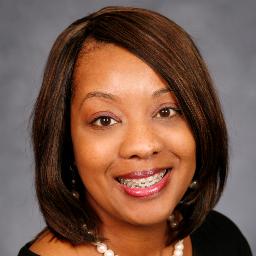






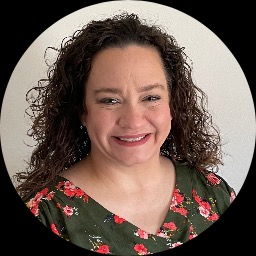




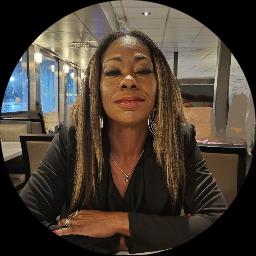

How queer friendly therapy works for North Carolina residents
Queer friendly therapy is an approach where clinicians emphasize understanding and affirming diverse sexual orientations, gender identities, and relationship structures. In North Carolina this often means finding a therapist who blends cultural competence with an awareness of the local social and legal context. You can expect practitioners to focus on your goals rather than trying to change core aspects of your identity. Services may include individual therapy, couples work, family support, and referrals to community resources and medical providers when coordination of care is needed.
Local context matters
Because communities across the state vary - from the urban centers of Charlotte and Raleigh to college towns like Durham and creative hubs like Asheville - queer friendly therapy is delivered in diverse settings. In larger metropolitan areas you may find clinicians with extensive experience in LGBTQ+ health and a range of specialties such as trauma-informed care, gender-affirming support, substance use, and couples therapy. In smaller towns there are therapists who prioritize accessibility and deep knowledge of the local landscape, which can be helpful if you want a clinician who understands community dynamics and regional resources.
Finding specialized help for queer friendly care in North Carolina
Begin by thinking about what you need from therapy - whether that is support with coming out, gender-affirming counseling, relationship communication, or navigating workplace and family challenges. Search listings by focus area and read therapist profiles for language that signals an identity-affirming approach. Look for clinicians who mention experience with queer and trans clients, training in relevant models, or involvement in community organizations. If you live in or near a major city like Charlotte, Raleigh, or Durham, you can often find clinicians who offer niche services such as queer couples therapy or therapy for transgender and nonbinary adults. In smaller cities such as Greensboro or Asheville, you may find therapists who combine queer-affirming care with specialties like art therapy or faith-sensitive approaches.
Practical steps as you search
When you review a profile, pay attention to the therapist’s stated approach and any mention of trainings or continuing education that relate to queer and trans care. Session formats and availability are also important - some clinicians offer evenings or weekend hours, which can be helpful if you are balancing work or school. If a therapist’s profile is not clear about experience with specific issues, reach out and ask a few direct questions in an introductory message or consultation. A brief conversation can help you assess whether their style and background fit your needs.
What to expect from online therapy for queer friendly services
Online therapy has become a common option in North Carolina, and it can expand access to queer friendly clinicians beyond your immediate area. Through video or phone sessions you can connect with therapists who may be located in other parts of the state or who specialize in issues that are less available locally. Expect most online appointments to follow a similar structure to in-person sessions - an initial assessment, goal-setting, and regular sessions focused on the areas you identify as priorities. Therapists will typically explain how they manage scheduling, fees, and communication between sessions.
Licensing and cross-location considerations
When you choose online therapy, it is important to confirm that the clinician is licensed to practice in North Carolina or that they are able to legally provide telehealth services to residents of the state. Ask about the therapist’s policies for telehealth, including what platforms they use and how they protect your privacy during virtual sessions. Many therapists will also describe how they handle clinical emergencies and provide information about local resources in North Carolina should you need immediate in-person support.
Common signs you might benefit from queer friendly therapy in North Carolina
You might consider queer friendly therapy if you feel isolated because of your identity, are struggling with coming out, or are facing rejection from family or community. Relationship stressors tied to identity or nontraditional relationship structures often benefit from a clinician who understands queer cultural dynamics. You may also seek support if you are dealing with anxiety, depression, or trauma that is connected to discrimination or past experiences related to gender or sexuality. Practical transitions such as beginning a gender-affirming medical process, navigating dating and relationships, or moving to a new North Carolina city can also be reasons to look for a therapist with queer-affirming experience.
When community and culture influence care
North Carolina includes both progressive pockets and more conservative areas, and these differences can affect your daily experience. If social stigma, workplace issues, or family rejection are part of your stress, a queer friendly therapist can help you develop coping strategies, plan conversations, and identify local supports such as community groups, legal clinics, or health services that are welcoming to LGBTQ+ people. Therapists can also help you build resilience and identify steps to improve safety and well-being in your specific environment.
Tips for choosing the right therapist for this specialty in North Carolina
Start by clarifying what matters most to you in therapy - do you want someone who specializes in gender identity, someone who understands queer relationship dynamics, or a therapist who brings a particular therapeutic approach such as cognitive behavioral therapy or somatic work? Read profiles carefully to find language that resonates with you, and don’t hesitate to schedule initial consultations with more than one clinician to compare fit. During first conversations ask about experience with issues like coming out, gender-affirming care coordination, and community resources in cities such as Charlotte and Raleigh. Consider practical factors like location or telehealth options, fees, insurance acceptance, and the clinician’s availability. Trust your instincts about whether a therapist’s style feels respectful and attuned to your needs.
Building a therapeutic relationship
Finding the right therapist can take time, and it is normal to try a few clinicians before settling on someone who is a good match. Once you begin work together, good therapy will include ongoing conversation about goals and whether the approach is helping. If at any point you feel your needs are not being met, you can bring that up directly with your therapist or look for another clinician whose expertise and approach better align with your priorities. Across North Carolina there are committed professionals who aim to create a supportive, affirming space for queer and trans clients, whether you connect in person in Durham or online from a rural community.
Finding queer friendly therapy is about more than a label - it is about locating a clinician who understands your identity, respects your goals, and can work with you on practical next steps. Use the listings on this page to explore profiles, reach out with questions, and arrange consultations so you can choose the therapist who feels right for you.