Find a Porn Therapist in North Carolina
On this page you'll find therapists in North Carolina who specialize in porn-related concerns, offering both in-person and online options. Browse the therapist listings below to compare specialties, locations, and approaches and find a clinician who fits your needs.










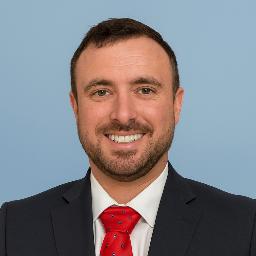
Dwight Kidder
LCSW
North Carolina - 7 yrs exp







How porn therapy typically works for North Carolina residents
When you begin porn therapy in North Carolina, you will usually start with an initial assessment that helps a clinician understand your history, current patterns, goals, and any related emotional or relationship issues. That assessment shapes a treatment plan that often combines practical coping strategies with deeper exploration of factors that may be influencing your behavior, such as stress, anxiety, boredom, relationship dynamics, or past experiences. Sessions may be structured around goal-setting so you and your therapist can track progress and adapt strategies over time.
Your treatment can take many forms depending on what you need. Some people work on reducing or stopping specific behaviors, while others focus on building healthier sexual habits, improving relationships, or addressing co-occurring concerns like depression or anxiety. Therapists who specialize in porn-related work often use evidence-informed approaches - for example, cognitive-behavioral techniques to change patterns of thinking and behavior, mindfulness to increase awareness of triggers, and relational work when partners are involved. In North Carolina, clinicians may offer ongoing weekly sessions or a short-term focused plan depending on your goals and availability.
Finding specialized help for porn in North Carolina
Finding a therapist who has specific experience with porn-related concerns can make a meaningful difference in how quickly you feel understood and supported. You can begin by narrowing searches to clinicians who list sexuality, compulsive sexual behavior, or porn-related issues among their specialties. In larger cities like Charlotte and Raleigh you will typically find a broader range of specialists, including therapists with experience in sex therapy, couples therapy, and addiction-informed care. Smaller communities and towns may have fewer specialists locally, but many clinicians offer online sessions that remove geographical barriers.
When you review profiles, look for information about therapeutic approach, training in sexual health or addiction-related work, and experience with the kinds of goals you have. You may also find it helpful to read therapist biographies to learn how they talk about this work - some clinicians emphasize a nonjudgmental, sex-positive stance, while others take a more behavior-focused approach. If you live near Durham, Greensboro, or Asheville, you can often pair in-person therapy with online options for added flexibility.
Licensing, credentials, and what they mean for you
Understanding professional credentials in North Carolina
Therapists in North Carolina hold a range of credentials such as licensed professional counselors, licensed clinical social workers, marriage and family therapists, and psychologists. Each credential reflects different training, supervision, and permitted scope of practice. You can verify licensure through the North Carolina licensing boards, and clinicians often list their degrees and specialties on their profiles. Credentials do not guarantee a perfect fit, but they do help you confirm clinical experience and formal training relevant to your concerns.
Specialized training and continuing education
Beyond basic licensure, some therapists pursue additional training in sex therapy, trauma-informed care, or addiction treatment. These trainings can indicate an elevated level of familiarity with porn-related issues and the strategies that tend to help. You can ask prospective therapists about recent trainings, supervision, or consultation they receive related to sexual health or compulsive sexual behavior. This conversation can give you insight into how up-to-date they are with best practices and how they handle complex cases.
What to expect from online therapy for porn issues
Online therapy can be a practical option if you live outside major metropolitan areas or prefer the convenience of remote sessions. When you choose online care, you can expect a similar therapeutic process to in-person work - an intake assessment, collaborative goal-setting, regular sessions, and homework or practice between meetings. Online sessions can feel more accessible for some people because they remove commute time and allow you to meet with clinicians who are not limited to your city.
To get the most out of online therapy, set up a quiet, distraction-free area where you feel comfortable speaking openly. Use a stable internet connection and test your camera or audio in advance. You may find that certain interventions - cognitive-behavioral exercises, guided mindfulness, and skills coaching - translate well to virtual formats. If you live in Charlotte, Raleigh, or Durham, you may still choose online therapy to maintain continuity when schedules change or to continue work with a clinician who best fits your needs even if they are located in a different part of the state.
Common signs that you might benefit from porn therapy
You might benefit from talking with a therapist if your porn use is causing distress, interfering with relationships, or getting in the way of responsibilities at work or school. People often seek help when they notice repeated attempts to cut back that do not stick, ongoing guilt or shame about their behavior, secrecy that erodes trust with a partner, or when porn use becomes a default coping strategy for stress or negative emotions. You do not need to wait for a crisis to reach out - therapy can be a proactive way to learn healthier coping strategies and to explore underlying concerns.
Therapy can also help when porn use affects your sexual functioning, intimacy, or the way you relate to others. Partners often seek joint sessions to improve communication and rebuild trust. Even if you are unsure whether your behavior meets a clinical threshold, a consultation with a specialist can help you clarify goals and determine whether short-term or longer-term work is most appropriate.
Tips for choosing the right therapist in North Carolina
Start by identifying your priorities - do you want a clinician with specific training in sexual health, someone who works with couples, a therapist who uses a particular approach, or a provider who accepts your insurance? Use those priorities to filter listings and to prepare questions for initial contact. When you reach out, notice how the therapist responds to questions about their experience with porn-related concerns, the types of strategies they use, and how they measure progress.
Consider practical factors such as location, hours, fees, and whether you prefer in-person or online sessions. In urban centers like Charlotte and Raleigh you may find more evening or weekend availability, while therapists in smaller cities may have daytime schedules. Ask about insurance, sliding scale options, or referral resources if cost is a concern. Trust your sense of rapport during initial conversations - feeling heard and understood in the first few contacts is often an important indicator of fit.
Working with your therapist and next steps
Once you start therapy, you and your clinician will periodically review progress and adjust your plan as needed. You may practice new skills between sessions, experiment with behavior changes, and explore deeper emotional patterns that maintain your current habits. If relationship issues are involved, your therapist may invite your partner to join some sessions or offer parallel support for both of you. Therapy is a collaborative process, and your active participation helps create meaningful and lasting change.
If you are ready to take the next step, browse the therapist profiles on this page to find clinicians who list porn-related issues among their specialties. Reach out with a brief message describing your goals and availability, and use initial consultations to find a therapist who fits both your needs and your comfort level. Whether you are in Raleigh, Durham, Charlotte, or elsewhere in North Carolina, there are clinicians who can help you navigate this work with professionalism and respect, and to build healthier patterns that align with your values and relationships.