Find a Polyamory Therapist in North Carolina
This page lists therapists who specialize in polyamory across North Carolina, with professionals serving communities like Charlotte, Raleigh, and Durham. Browse the listings below to compare specialties, therapeutic approaches, and availability to find a good match.





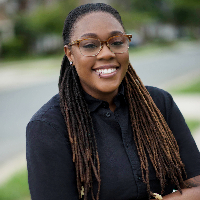
Dwight Kidder
LCSW
North Carolina - 7 yrs exp














How polyamory therapy works for North Carolina residents
If you are exploring polyamory or navigating an open relationship structure, therapy can help you address communication, agreement-making, jealousy, and life changes in ways that fit your values and context. In North Carolina, therapists who focus on consensual non-monogamy draw on couples therapy skills, family systems thinking, and sex-positive frameworks to support individuals and multi-partner relationships. Sessions may involve one person, multiple partners together, or a combination of joint and individual work, depending on the goals you bring to therapy.
Intake and goal setting
When you first meet a therapist, the conversation usually centers on the specific concerns that led you to seek help and the interactions that feel most stressful or unresolved. You and the clinician will clarify what you hope to achieve - whether that is clearer agreements, improved communication during transitions, coping strategies for jealousy, or preparing for new relationships. Therapists in North Carolina often ask about cultural, familial, and local community factors because these shape expectations and resources available to you.
Therapeutic methods commonly used
You may encounter a range of therapeutic techniques. Some clinicians emphasize communication skills training and structured dialogue exercises to help partners express needs and negotiate boundaries. Others incorporate emotion-focused approaches to identify underlying attachment patterns that affect how you relate in polyamorous dynamics. Practical tools for negotiation, like drafting agreements or scheduling check-ins, are paired with attention to consent and mutual respect so agreements feel meaningful rather than rigid. A therapist will tailor methods to your relationship structure and personal history.
Finding specialized help for polyamory in North Carolina
Locating a clinician who understands consensual non-monogamy can make a major difference in how supported you feel. In larger cities like Charlotte, Raleigh, and Durham you are more likely to find practitioners who list polyamory or non-monogamy among their areas of expertise, but experienced clinicians can be found across the state. Look for therapists who describe working with ethical non-monogamy, relational diversity, or non-traditional relationships. Reading provider profiles, noting training in sex-positive practices or couples therapy, and seeing whether their approach aligns with your values can help narrow options.
Licensure matters because it indicates that a therapist meets state standards for training and ethical practice. In North Carolina, clinicians hold a range of licenses such as licensed clinical social worker, licensed professional counselor, or psychologist. You can verify licensure through state boards and use that information to compare qualifications. If cultural competence or LGBTQ+ affirmative care is important to you, look for clinicians who explicitly name that experience on their profiles, since many people in non-monogamous relationships find these aspects relevant to their experience.
What to expect from online therapy for polyamory
Online therapy makes it easier to access specialty care when a local clinician with polyamory experience is not nearby. You can work with a therapist in a different North Carolina city or across state lines if licensing permits, which increases the pool of clinicians with the specific expertise you want. Online sessions allow you to include partners who live in different places, which is helpful when relationships are geographically distributed. Technology-based therapy can be conducted via video or phone, and some therapists offer email or messaging support between sessions for ongoing check-ins.
When choosing online care, consider how comfortable you feel discussing intimate topics over video and whether you have a reliable, private spot at home where you can speak openly. Discuss expectations about session structure and what to do in case of an emergency, since therapists will outline crisis procedures and local resources. Many clinicians will also explain how they handle partners who join some sessions and not others, and how they navigate personal nature of sessions boundaries while facilitating multi-person conversations.
Common signs that someone in North Carolina might benefit from polyamory therapy
You might consider seeking polyamory-focused therapy if recurring arguments about boundaries keep coming up despite attempts to resolve them, or if a change in relationship structure - such as adding a partner or renegotiating terms - feels overwhelming. If jealousy or insecurity repeatedly undermines connection, therapy can help you understand emotional triggers and build coping strategies that honor your needs. You may also seek support if communication breakdowns make it hard to coordinate time, agreements, or sexual health practices among multiple partners.
Other reasons to reach out include navigating stigma related to relationship choices within friends, family, or faith communities, and managing the emotional labor involved in non-traditional arrangements. If transitions like moving to a new city, starting a family, or changing careers affect your agreements, a clinician can act as a neutral facilitator to help you plan and adapt. Therapy is also a resource when you want to explore whether polyamory fits your long-term goals or how to practice it ethically and with mutual consent.
Tips for choosing the right therapist for this specialty in North Carolina
Start by clarifying what matters most to you - clinical approach, experience with multi-partner therapy, focus on sexual health, or familiarity with cultural and identity issues. Reach out to clinicians with specific questions about their experience with polyamory and how they handle multi-person sessions. A short initial conversation or consultation can give you a sense of tone and whether you feel heard. Trust your instincts about whether the therapist respects your relationship model without pathologizing it.
Consider practical factors such as insurance coverage, sliding scale availability, and session format. If in-person work is important, check whether the clinician practices in cities like Charlotte, Raleigh, or Durham where commuting or local scheduling may be easier. If flexibility is key, prioritize therapists who offer evening hours or online appointments. Finally, pay attention to how a therapist talks about consent, boundary-making, and risk reduction; a clinician who uses clear, nonjudgmental language and invites collaborative planning is likely to be a helpful partner in your work.
Making the most of therapy in your community
Once you begin, set realistic goals for what you want to accomplish and revisit them periodically. Therapy often moves between practical problem-solving and deeper exploration of patterns that shape your relationships. In North Carolina communities, you may find local support groups, workshops, or educational events that complement individual therapy and broaden your social resources. Whether you are in a larger urban area or a smaller town, combining therapeutic work with reading, couples exercises, or community connection can accelerate progress and reduce feelings of isolation.
Finding the right clinician takes time, and it is normal to try more than one therapist before settling into a good fit. By focusing on competence in consensual non-monogamy, clear communication about expectations, and a collaborative working relationship, you can find care that helps you build agreements, manage emotions, and cultivate healthy connections. Cities such as Charlotte, Raleigh, and Durham offer access to a diverse range of clinicians, while options for online care expand choices across the state, so you can pursue relationship growth in ways that align with your life.