Find a Non-Monogamous Relationships Therapist in North Carolina
This page features therapists in North Carolina who specialize in non-monogamous relationships, including polyamory and other consensual non-monogamy arrangements. Browse the listings below to compare specialties, approaches, and availability across the state.





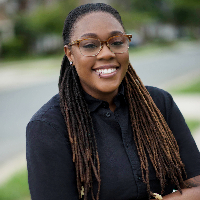
Dwight Kidder
LCSW
North Carolina - 7 yrs exp














How non-monogamous relationships therapy works for North Carolina residents
When you pursue therapy focused on non-monogamous relationships, the work generally centers on communication, boundary setting, and aligning needs among partners. In North Carolina, licensed mental health professionals bring knowledge of relationship dynamics together with culturally aware practices so you can address jealousy, scheduling, sexual health conversations, or transitions between relationship structures. Sessions may focus on practical skills such as negotiating agreements, improving emotional regulation during conflict, and exploring personal values around intimacy and commitment.
Therapists who work with people in non-monogamous relationships often use a combination of individual and couples or multi-partner sessions. Individual sessions let you process personal history, attachment patterns, and identity, while joint sessions help create shared language and workable agreements. Because relationship patterns often involve more than two people, a therapist experienced in this specialty will help you navigate complex dynamics while honoring each person’s perspective.
Finding specialized help for non-monogamous relationships in North Carolina
Begin by looking for clinicians who explicitly list non-monogamy, ethical non-monogamy, or polyamory among their specialties. Many therapists in the state offer profiles that describe their training, therapeutic approach, and experience working with non-traditional relationship structures. You can filter listings by location, telehealth availability, and areas of focus to find practitioners near you in places like Charlotte, Raleigh, or Durham, or in more rural parts of the state.
Licensing matters when you want continuity of care. In North Carolina, clinicians may hold licenses such as Licensed Clinical Social Worker (LCSW), Licensed Professional Counselor (LPC), or Licensed Marriage and Family Therapist (LMFT). Those licensing designations indicate different training backgrounds and scopes of practice. When you review profiles, pay attention to stated experience with non-monogamous dynamics and any ongoing education they’ve pursued in this area. You can also look for therapists who mention work with sexual health, kink-aware care, or relationship coaching if those are relevant to your needs.
Local considerations
If you live in a metropolitan area such as Charlotte, Raleigh, or Durham, you may find a wider range of specialized clinicians, group therapy opportunities, and community resources. Outside of major cities, fewer therapists may list non-monogamy as a specialty, but many clinicians are open to learning and adapting their approaches. If you’re in Greensboro, Asheville, or another North Carolina community, consider telehealth options to expand your choices.
What to expect from online therapy for non-monogamous relationships
Online therapy in North Carolina allows you to access clinicians who may not be in your immediate area while keeping sessions convenient. In practice, online sessions often follow a similar structure to in-person work: you and your therapist will set goals, identify challenges, and practice skills. Online formats can be especially helpful if partners live in separate locations, if scheduling multiple people for the same session is easier virtually, or if anonymity during the search process feels important.
Before beginning online therapy, confirm that the therapist is licensed to practice in North Carolina and that they describe how they handle virtual sessions. Ask about typical session formats for multi-partner appointments, whether they offer flexible scheduling, and how they manage technology needs. You should also clarify fee structures, cancellation policies, and whether sliding scale options or insurance billing are available to make ongoing care more accessible.
Common signs you might benefit from non-monogamous relationships therapy
You might consider therapy when communication repeatedly breaks down over relationship agreements or when jealousy and insecurity are causing ongoing distress. If transitions such as adding a new partner, changing the terms of an arrangement, or shifting from monogamy to consensual non-monogamy are creating conflict, therapy can help you navigate expectations and reduce harm. Therapy is also useful when you or your partner struggle with setting boundaries, managing time and attention across multiple relationships, or addressing sexual health conversations with clarity.
People often seek help when patterns from past relationships or attachment styles interfere with current arrangements. If you notice recurring cycles of resentment, avoidance, or emotional flooding that affect your relationships, working with a clinician can teach strategies for regulation and repair. Therapy can support you whether you are exploring non-monogamy for the first time or are an experienced practitioner looking to refine agreements and improve long-term stability.
Tips for choosing the right therapist for this specialty in North Carolina
First, prioritize experience and explicit interest in non-monogamous relationships. A therapist who names this work on their profile is likely to be more familiar with unique challenges and community norms. Next, look for transparent information about their therapeutic approach - whether they draw from attachment theory, systemic models, cognitive-behavioral techniques, or somatic work - so you can choose someone whose methods align with your preferences.
Consider logistics such as location, availability for multi-partner sessions, and whether they provide online appointments. If you live in a busy area like Charlotte or Raleigh, you may have more options for weekend or evening appointments, while telehealth can widen choices for those in smaller towns. Check whether the clinician offers a brief consultation call so you can ask about their experience with issues like jealousy, metamours, or ethical boundaries, and evaluate how comfortable you feel raising sensitive topics with them.
Think about cultural competence and how a therapist approaches identity, gender, and sexual orientation. Non-monogamous relationships intersect with many identity dimensions, and you may prefer a clinician who demonstrates awareness of LGBTQ+ issues, racial and cultural factors, or alternative relationship communities. Trust your sense of rapport during an initial conversation - feeling heard and respected is essential for productive work.
Payment and access
Be proactive about discussing fees and insurance. Some clinicians accept insurance, while others offer direct pay with sliding scale rates. If insurance is part of your plan, verify whether the clinician’s licensing and billing practices align with your coverage. For many people, a brief trial of sessions is a practical way to assess fit before committing to longer-term work.
Moving forward in North Carolina
Finding a therapist who understands non-monogamous relationships can help you build healthier communication patterns and more intentional agreements. Whether you live in a city like Durham, are commuting to Asheville for occasional support, or prefer virtual sessions from anywhere in the state, take advantage of the directory to compare profiles and reach out for consultations. Thoughtful first steps often involve clarifying your goals, asking targeted questions about the therapist’s experience, and choosing a modality that fits your schedule and comfort level.
Therapy is a collaborative process, and the right clinician can make it easier to navigate complexity, reduce harm, and strengthen connections across the relationships that matter to you. Use the listings above as a starting point to find a practitioner in North Carolina who can help you name priorities, develop practical strategies, and move forward with intention.