Find a Gambling Therapist in North Carolina
On this page you'll find licensed therapists who specialize in gambling-related concerns across North Carolina, with options in cities like Charlotte, Raleigh, and Durham. Browse the listings below to compare specialties, approaches, and availability and connect with a therapist who fits your needs.









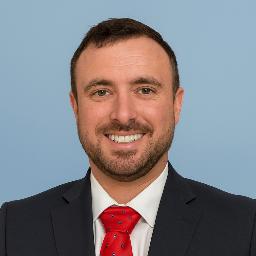
Dwight Kidder
LCSW
North Carolina - 7 yrs exp






How gambling therapy typically works for North Carolina residents
If you decide to pursue therapy for gambling-related issues you can expect an initial intake that focuses on your current situation, history with gambling, and immediate concerns. During early sessions a therapist will ask about how gambling affects your relationships, finances, work, and mood so you can set clear, realistic goals together. Many therapists use structured approaches that emphasize identifying patterns, building alternative coping strategies, and managing triggers.
Treatment often blends skill-building with practical problem-solving. You may work on recognizing high-risk thoughts and behaviors, learning techniques to manage urges, and creating plans to reduce financial harm. Some people find individual therapy most helpful while others benefit from family involvement or group sessions that offer mutual support. Therapists will typically tailor the plan to your priorities so you can track progress and adjust goals as needed.
Evidence-informed methods you may encounter
Several therapeutic approaches are commonly used when addressing problematic gambling. Cognitive behavioral methods help you examine the thoughts and beliefs that maintain gambling behavior and replace them with healthier choices. Motivational approaches can be useful if you are ambivalent about change - they focus on exploring your personal reasons for change and building commitment. Behavioral strategies aim to reduce exposure to triggers and develop alternative activities. In some cases your therapist may coordinate with financial counselors or other professionals to address money management and practical consequences.
Finding specialized help for gambling in North Carolina
When searching for a therapist you will want to look for experience specifically with gambling or behavioral addictions rather than assuming a generalist approach will fit. Licensed practitioners in North Carolina may hold credentials such as Licensed Professional Counselor, Licensed Clinical Social Worker, or psychologist licensure. Many directories allow you to filter by specialty and treatment approach so you can see who lists gambling or compulsive behaviors among their focus areas.
Location can matter if you prefer in-person sessions. Larger metropolitan areas like Charlotte, Raleigh, and Durham generally offer more options and a wider diversity of specialties. If you live outside those centers you may still find qualified therapists through telehealth - many practitioners in Greensboro, Asheville, and smaller towns offer remote sessions to reach clients across the state. Consider whether you need evening or weekend appointments, language options, or providers familiar with local courts or treatment programs in your county.
What to expect from online therapy for gambling
Online therapy is a convenient option if you need flexible scheduling or live far from major cities. You can expect to use video or phone sessions to work with a therapist licensed to practice in North Carolina, and sessions typically follow a similar structure to in-person care with intake, assessment, and planned interventions. Teletherapy can make it easier to maintain continuity of care if you travel between cities such as Charlotte and Raleigh, or if you want to meet with a specialist who is not local to your town.
While online work can increase access it also comes with practical considerations. You will want a quiet, comfortable environment for sessions and to discuss how emergencies are handled since therapists follow specific procedures when someone is in immediate risk. Make sure to confirm technical requirements and ask how the therapist manages scheduling, cancellations, and follow-up between appointments. If financial issues are a primary concern ask whether the therapist can collaborate with a financial counselor or recommend local resources in North Carolina.
Common signs someone in North Carolina might benefit from gambling therapy
You may consider reaching out for help if gambling has become a frequent source of stress or has begun to interfere with daily life. Signs that therapy could be helpful include preoccupation with gambling activities, spending increasing time or money despite negative consequences, borrowing or selling possessions to gamble, or strained relationships with family and friends. You might also notice that gambling is used as a primary way to cope with anxiety, boredom, or depression, or that attempts to cut back have been unsuccessful.
Other indicators include difficulties meeting work or family responsibilities, ongoing financial problems, or legal issues related to gambling. If people close to you express concern or if you feel stuck in a cycle of losses followed by attempts to recoup them you can benefit from a professional evaluation. Early support can help you develop practical strategies to manage urges and minimize harm while you explore longer term goals.
Tips for choosing the right gambling therapist in North Carolina
Start by identifying what matters most to you - whether it is a therapist with specific experience in gambling interventions, someone who offers evening sessions, or a provider who works well with families. Look for clear information about a clinician s training and experience with gambling-related issues and ask prospective therapists about their typical approach during an initial consultation. It is reasonable to ask about the types of strategies they use, how they measure progress, and whether they coordinate care with other professionals such as financial advisors or primary care providers.
Practical matters are important too. Verify that the therapist is licensed in North Carolina and ask about payment options, insurance acceptance, and sliding scale availability if cost is a concern. Consider whether you prefer in-person meetings in a nearby office or the convenience of remote sessions. If culture, language, or religious perspective are important to you, seek a clinician who demonstrates cultural competence and understanding of your background. Trust your instincts during the first few sessions - a good fit increases the chance that you will stay engaged and work toward your goals.
Working with family and support networks
Gambling often affects more than one person, and many people find it helpful to involve family members or close friends in therapy. Your therapist can help facilitate conversations, set boundaries around finances, and develop communication strategies that reduce conflict. Supportive involvement does not mean taking responsibility for another person's choices but rather creating a collaborative plan for recovery and ongoing accountability.
Peer support groups and community programs can also be useful complements to individual therapy. These resources allow you to connect with others who understand the experience and can offer practical tips for coping and staying motivated. If you live in or near a city such as Charlotte or Asheville you may find local groups and community-based options that provide additional layers of support.
Next steps
Choosing to look for a therapist is an important first step. Use the listings above to compare clinicians who work with gambling concerns in North Carolina, read profiles to learn about their approaches, and reach out to schedule an initial conversation. Asking a few key questions ahead of time will help you find a therapist who matches your needs and makes it easier to begin making practical changes that support your goals. If you are unsure where to start focusing on accessibility, experience with gambling-related issues, and a clear plan for sessions will help guide your decision.
When you are ready browse the directory, reach out to a therapist who feels like a good match, and take the next step toward managing gambling-related challenges in a way that fits your life in North Carolina.