Find a Depression Therapist in North Carolina
This page connects you with therapists who specialize in depression and serve residents of North Carolina. You can review clinician profiles, therapy approaches and location options to find a good fit. Browse the listings below to compare practitioners and request an appointment.

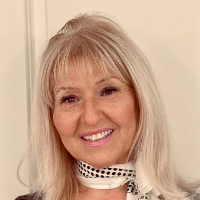
LaShica Hemingway
LCMHC
North Carolina - 12 yrs exp
















How depression therapy typically works for North Carolina residents
If you decide to pursue therapy for depression in North Carolina, the process usually begins with an initial consultation. That first meeting is a chance for you and the clinician to talk about what brought you to therapy, your symptoms, your goals, and any relevant medical or treatment history. Many therapists will ask about mood patterns, daily functioning, sleep, appetite, and how depression affects your relationships and work. From there, you and the therapist collaborate to create a treatment plan that fits your needs and schedule.
Sessions are commonly scheduled weekly to start, then adjusted based on progress. Typical appointments last about 45 to 60 minutes, though some clinicians offer longer or shorter options. Treatment approaches vary - some therapists use evidence-based methods such as cognitive behavioral therapy, behavioral activation or interpersonal therapy, while others integrate mindfulness, trauma-informed practices, or strengths-based strategies. If medication is a possibility you want to explore, many therapists will work alongside your primary care provider or a psychiatrist to coordinate care.
Finding specialized help for depression in North Carolina
Specialization matters when depression presents alongside other concerns such as anxiety, trauma, chronic illness, or substance use. When searching for a specialist you should look for clinicians who list depression or mood disorders among their primary areas of expertise. In larger North Carolina cities like Charlotte, Raleigh and Durham, you are likely to find clinicians with additional training in adolescent depression, perinatal mood conditions, or late-life depression. Smaller cities and more rural parts of the state may have fewer specialists, but many therapists offer remote sessions that expand your options beyond your immediate area.
Licensure and credentials are important to check. In North Carolina you will commonly encounter Licensed Clinical Social Workers, Licensed Professional Counselors, Licensed Marriage and Family Therapists, and psychologists. Many of these providers pursue post-graduate training or certifications in specific modalities. Reviewing a clinician's profile can give you a sense of their training, years of experience, and the populations they serve. If you have particular needs - for example if you want someone who works with teenagers, veterans, or specific cultural backgrounds - look for that information in profiles or ask about it during a consultation.
Working across city and regional differences
Where you live in North Carolina can shape access and options. Urban areas such as Charlotte and Raleigh typically offer broader networks of specialists and a range of therapy styles. College towns like Durham may have clinicians experienced with young adults and academic stress. Cities such as Greensboro and Asheville tend to host practitioners who combine traditional therapies with integrative or nature-based approaches. If you live in a more remote region, consider clinicians who offer remote sessions so you can access a specialist without long travel times.
What to expect from online therapy for depression
Online therapy has become a common option in North Carolina and can be an effective way to access care if in-person visits are difficult. When you choose online therapy, expect to use a video platform or phone calls for sessions, and sometimes text-based messaging for appointment logistics and resources. You should plan for a private, comfortable environment during sessions, stable internet or phone connectivity, and a device with a camera if video is used. Many therapists follow the same structure in virtual sessions as in-person work - assessment, collaborative goal setting, and regular review of progress.
Licensing matters when you receive online therapy. Providers typically must be licensed in the state where the client is located at the time of the session. If you are traveling outside North Carolina or live near a state border, check with the clinician about licensure and availability. Insurance coverage for telehealth varies by plan, so confirm benefits and any copay or reimbursement details before beginning. If you prefer a mixture of online and in-person sessions, ask potential therapists whether they offer hybrid models.
Common signs you might benefit from depression therapy
You may want to consider therapy if depressive symptoms are affecting your ability to function in daily life, relationships, or work. Signs that often prompt people to seek help include persistent low mood, loss of interest in activities you used to enjoy, changes in appetite or sleep patterns, difficulty concentrating, and feelings of worthlessness or excessive guilt. Some people notice increased irritability, withdrawal from friends and family, or a decline in self-care. If these changes last for weeks or interfere with responsibilities, therapy can offer strategies to manage symptoms and improve quality of life.
Beyond mood symptoms, life transitions such as job loss, relationship changes, bereavement, and chronic health challenges can trigger or worsen depressive feelings. You do not need to wait until symptoms become severe to reach out. Early support can help you develop coping tools and prevent patterns from becoming more entrenched. If you are unsure whether therapy is right for you, a brief consultation with a clinician can clarify how they would approach your particular concerns.
Tips for choosing the right therapist for depression in North Carolina
Choosing a therapist is a personal decision that blends professional qualifications with rapport and practical fit. Start by clarifying what matters most to you - the therapist's approach, experience with certain age groups, availability for evening sessions, or whether they take your insurance. Read clinician profiles carefully to see how they describe their work with depression. If you have cultural, language or identity-related preferences, look for clinicians who note that experience in their profiles or offer services in multiple languages.
During the initial consultation, pay attention to how the clinician listens and responds to your concerns. You want someone who offers a clear plan and explains how therapy might proceed, while also inviting your feedback. Ask about treatment length, typical session structure, and how progress is measured. If you plan to use insurance, confirm what billing codes the clinician uses and whether they provide receipts for out-of-network claims. If you are connecting with a therapist in a city such as Charlotte, Raleigh, or Asheville, you may have more options to try a few consultations until you find the right match.
Practicalities matter too. Consider location and commute time if you plan to meet in person. If you prefer online work, ensure the clinician's telehealth setup matches your expectations for technology and scheduling. Remember that it is reasonable to change therapists if the fit is not right. Many people try a few clinicians before finding the person who helps them make meaningful progress.
Community and local resources
North Carolina hosts a range of community organizations, support groups and mental health initiatives that can complement individual therapy. Local hospitals, university counseling centers and non-profit organizations may offer additional programs, education or group-based options. If cost is a concern, ask clinicians about sliding scale fees or referral resources in your area. In larger metropolitan areas such as Charlotte and Raleigh there are often more sliding scale programs, while in smaller towns you may discover community therapists who are deeply connected to local support networks.
Taking the next step
Beginning therapy for depression can feel daunting, but taking a single step - browsing profiles, sending an inquiry or scheduling a consultation - can start the process toward feeling better. Use the listings on this page to compare clinicians by approach, experience and availability. Whether you prefer in-person sessions in a nearby office or online therapy that fits your schedule, North Carolina offers a range of professionals who can support you. Trust your judgment about fit, and remember that seeking help is a proactive choice toward improving your wellbeing.