Find a Black Therapist in North Carolina
This page lists therapists who specialize in Black Therapist services and who work with clients across North Carolina. Use the listings below to compare profiles, specialties, and availability to find a good fit.
Explore practitioners serving cities across the state and start contacting providers who match your needs.
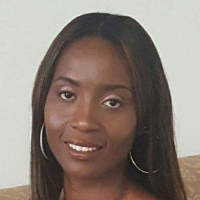
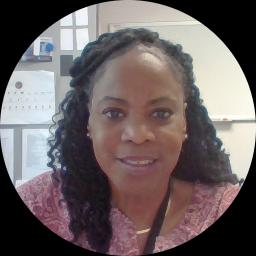
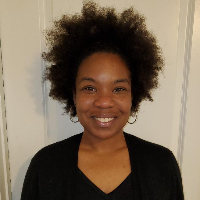
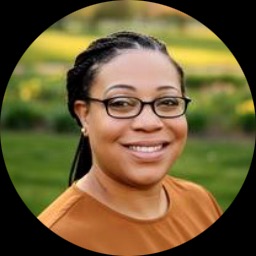
LaShica Hemingway
LCMHC
North Carolina - 12 yrs exp





How Black Therapist therapy works for North Carolina residents
Black Therapist therapy focuses on culturally informed approaches that reflect the historical and contemporary experiences of Black individuals and families. In North Carolina you can find professionals who integrate awareness of racial identity, systemic stressors, and cultural strengths into their therapeutic work. Whether you connect with someone in person or online, sessions typically begin with an intake conversation to understand your goals, background, and the immediate concerns you want to address. From there your therapist will collaborate with you to choose therapeutic approaches that fit your needs - that might include talk therapies, trauma-informed techniques, or skills-based strategies aimed at coping, communication, and relationship repair.
Licensing and local practice considerations
Therapists practicing in North Carolina hold state licenses such as Licensed Clinical Mental Health Counselor, Licensed Professional Counselor, or licensed social work credentials. Licensing ensures they meet training and ethical standards for practicing in the state. If you prefer in-person sessions, you can look for providers in your area who maintain local offices. If you choose online sessions, they must be legally allowed to provide services to clients in North Carolina. Questions about credentialing, insurance acceptance, and sliding scale fees are reasonable to ask during an initial contact or consultation.
Finding specialized help for Black Therapist needs in North Carolina
When you search for specialized care, consider both cultural competency and clinical areas of expertise. Some therapists emphasize racial identity development, intergenerational trauma, or coping with discrimination, while others combine cultural understanding with expertise in anxiety, depression, or relationship concerns. In larger metro areas like Charlotte and Raleigh you may find practitioners who focus on serving Black adolescents, couples, or professional adults. In university communities such as Durham there are providers who understand the unique pressures of academic life and identity exploration. You can refine your search by reading bios, noting experience with culturally specific issues, and looking for therapists who explicitly describe an anti-racist or culturally responsive practice.
Community connections and finding the right match
For many people the therapeutic relationship is strengthened when the therapist understands cultural context and has experience working with clients who share similar life experiences. You might find it helpful to seek recommendations from community organizations, local support groups, or trusted friends. Community-based referrals can point you toward clinicians who are known to be thoughtful about identity, faith, and family dynamics. Whether you live in a smaller town or in a larger center like Charlotte, gathering multiple perspectives will help you choose someone whose style and approach feel aligned with your priorities.
What to expect from online therapy for Black Therapist
Online therapy adds flexibility for people across North Carolina, allowing you to connect with a therapist without travel time and often with more scheduling options. Platforms and private practices offering video or phone sessions vary in how they structure appointments, but you can generally expect a similar intake process as for in-person care. During the first few sessions your therapist will work to understand your concerns, assess safety and immediate needs, and discuss personal nature of sessions practices and session logistics. Therapeutic work online can be just as effective as in-person therapy for many concerns, and it can make it easier to access clinicians who specialize in your cultural needs even if they are located in another city.
Practical considerations for online sessions
When planning online appointments, check your internet connection, choose a quiet setting where you feel comfortable speaking, and consider whether phone or video works best for you. If you live in a more rural part of the state, online options can expand your access to culturally attuned therapists who might not be available nearby. Therapists will discuss policies on cancellations, fees, and emergency contacts so you know what to expect between sessions. You should also confirm that the provider is licensed to practice in North Carolina for legal and ethical reasons.
Common signs that someone in North Carolina might benefit from Black Therapist therapy
You might consider seeking culturally informed therapy if you find yourself struggling with stress related to racial identity, experiences of discrimination, or questions about belonging. Persistent feelings of sadness, anxiety that interferes with daily life, recurring relationship conflicts, or difficulty coping with major life changes are also reasons to reach out. If you are parenting and want support around cultural socialization, or if you are navigating career or educational pressures while managing identity-related stress, a therapist who prioritizes cultural context can help you explore these dynamics. People often seek this specialty when they want a space to address both mental health and the broader social forces that shape daily life.
Tips for choosing the right therapist for this specialty in North Carolina
Start by clarifying what matters most to you - whether it is specific clinical training, experience with a certain age group, shared cultural background, or an approach that integrates faith with therapy. Read provider bios closely to learn how they describe their experience with Black communities and the issues you care about. When you contact a therapist, ask about their experience with particular concerns, how they conceptualize culturally informed care, and what a typical treatment plan might look like. It is also reasonable to ask about logistics like session length, fees, and whether they offer a brief initial consultation so you can get a sense of fit before committing to ongoing work.
Choosing between in-person and online care
Your choice between in-person and online care may be guided by convenience, comfort, and availability. If being in the same room matters to you, look for clinicians in Raleigh, Charlotte, or surrounding suburbs who offer office appointments. If travel or local availability is a barrier, online sessions can connect you with skilled clinicians across the state. In either format trust your instincts about how comfortable you feel sharing personal material with a prospective therapist - that comfort often predicts a stronger working alliance.
Finding a therapist who understands both your cultural background and your individual concerns is an important step toward meaningful progress. Use the therapist profiles on this page to compare approaches, check credentials, and reach out for introductory conversations. With thoughtful searching you can find a clinician in North Carolina who listens with cultural awareness and supports the goals you bring to therapy.