Find an Aging and Geriatric Issues Therapist in North Carolina
This page lists therapists in North Carolina who specialize in aging and geriatric issues, including clinicians who offer in-person care across the state and online options. Browse the listings below to compare specialties, credentials, and locations and identify providers who meet your needs.




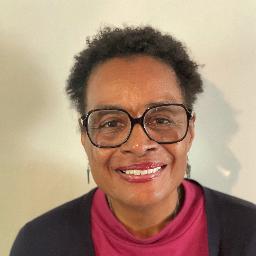

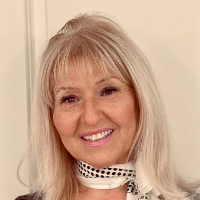


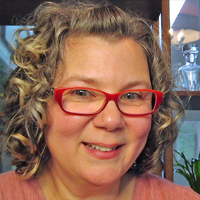
Tanya Richmond
LCSW
North Carolina - 26 yrs exp




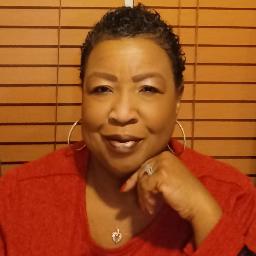


Joy Lemieux
LCMHC
North Carolina - 25 yrs exp






How aging and geriatric issues therapy works for North Carolina residents
When you seek therapy focused on aging and geriatric issues in North Carolina, you will find professionals trained to address the emotional, social, and practical concerns that come with later life. Therapy in this area often combines counseling techniques with knowledge of age-related transitions - such as retirement, changes in health, evolving family roles, and bereavement. Therapists work with older adults, their families, and caregivers to develop coping strategies, improve communication, and plan for changes that may affect daily life.
The therapeutic process typically begins with an assessment of your current concerns, strengths, and support system. From there, you and your clinician will set goals that may focus on mood, adjustment to life changes, managing stress related to caregiving, or improving quality of life. Sessions can be held in an office, at community clinics, or virtually, making it easier for people across North Carolina, whether you live in a larger city or a smaller town, to access care.
Finding specialized help for aging and geriatric issues in North Carolina
Finding the right specialist means looking for clinicians who list aging, gerontology, geriatric mental health, or late-life mood issues among their areas of expertise. In North Carolina, you can search for licensed psychologists, clinical social workers, licensed professional counselors, and other licensed mental health professionals who have experience working with older adults. Many have additional training in areas such as dementia care, caregiver support, grief work, and chronic illness adjustment.
Regional resources can also help you locate appropriate care. Hospitals, senior centers, and university clinics in cities like Charlotte, Raleigh, and Durham often have referral networks or specialty programs. If you prefer community-based services, local aging agencies and nonprofit organizations can point you toward clinicians who regularly collaborate with medical teams and care coordinators. When you review a profile, look for mentions of experience with older populations, work with families, or coordination with medical providers, since these indicate familiarity with the unique needs of later life.
What to expect from online therapy for aging and geriatric issues
Online therapy has become a commonly used option for people across North Carolina, offering convenience and the ability to connect from home. If you choose virtual sessions, expect an initial conversation to address technology preferences, appointment logistics, and whether remote work is appropriate for your situation. Many clinicians adapt standard therapeutic approaches to online formats, using video, audio, and text-based messaging to maintain continuity of care.
Virtual sessions can be particularly helpful if mobility, transportation, or distance makes in-person visits difficult. You can continue therapy even when you travel between residences or when weather makes travel challenging. That said, some issues may also benefit from in-person assessment or collaboration with local medical teams, so your therapist may suggest occasional in-person visits or coordination with nearby providers if needed. In urban areas such as Charlotte and Raleigh you may find more clinicians offering hybrid options that blend online and face-to-face care.
Common signs someone in North Carolina might benefit from geriatric-focused therapy
You might consider seeking a specialist if you notice prolonged low mood, increased anxiety about health or memory, rapid changes in daily functioning, or social withdrawal. Caregivers who feel overwhelmed, isolated, or unsure how to manage role changes often find therapy helpful for building coping skills and establishing boundaries. Families facing decisions about long-term care, transitions in living arrangements, or complex medical information may also benefit from guidance that helps clarify options and supports communication.
In some cases, changes in sleep, appetite, or interest in usual activities can indicate that additional support would be beneficial. Difficulty managing stress related to medical appointments, navigating benefits, or coordinating multiple providers is another common reason people pursue therapy. If you or a loved one are experiencing increased conflict, persistent sadness, or worry that interferes with daily life, a therapist who understands aging-related challenges can help you explore practical steps and emotional strategies.
Tips for choosing the right therapist for aging and geriatric issues in North Carolina
Start by clarifying what you want from therapy. You may seek help for mood symptoms, for support with caregiving responsibilities, or for planning transitions such as retirement or changes in living arrangements. Once you know your goals, look for clinicians who explicitly mention experience with older adults or geriatric populations. Pay attention to professional credentials, years of practice, and any specialized training in geropsychology, neurocognitive conditions, or family caregiving issues.
Consider practical factors like location, availability, and whether the therapist offers virtual appointments if travel is a concern. If you live near Charlotte, Raleigh, or Durham you will likely find a wider range of in-person providers, but therapists across the state may offer flexible scheduling or remote sessions. Ask about the therapies they use and how they measure progress, so you have a sense of how your needs will be addressed. It is reasonable to request an initial consultation to see if the clinician’s style and approach feel like a good fit.
Insurance and payment options are often important considerations. Ask whether the clinician accepts your insurance or if they have sliding scale options. You may also want to inquire about coordination with other care providers, such as primary care physicians, neurologists, or home health teams, since an integrated approach can be helpful when health and psychosocial needs overlap. If you are a caregiver, ask how the therapist involves family members and whether they provide resources or referrals to community supports.
Making therapy more accessible in different North Carolina communities
Accessing geriatric-focused therapy may look different depending on where you live in North Carolina. Urban centers like Charlotte, Raleigh, and Durham typically offer larger networks of specialists, community programs, and academic clinics. In smaller towns and rural areas you may rely more on telehealth, regional community agencies, or visiting clinician services. Local aging networks, faith-based groups, and area agencies on aging can also provide information on mental health resources tailored to older adults.
When you begin the search, think about the qualities that matter most to you - such as experience with grief, caregiver stress, or memory-related concerns - and use those priorities to guide your outreach. Good therapeutic care for aging and geriatric issues blends emotional support with practical problem-solving, and a clinician who listens to your goals will help you create an approach that fits your life in North Carolina.
Next steps
When you are ready, review profiles in the listings above and reach out to clinicians whose expertise matches your needs. An initial phone call or consultation can clarify logistics, treatment style, and how the therapist collaborates with other professionals. Finding the right fit may take a few conversations, but many people find that focused geriatric-informed therapy improves coping, restores a sense of agency, and helps families navigate transitions with greater confidence.