Find a Mindfulness Therapy Therapist in New York
Mindfulness Therapy helps you build awareness of thoughts, emotions, and bodily sensations to reduce reactivity and improve wellbeing. You can find practitioners across New York offering both in-person and online sessions.
Browse the listings below to compare clinicians, read profiles, and connect with a therapist who fits your needs.





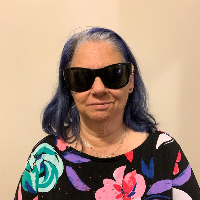

Dr. Colleen Downes
LCSW
New York - 35 yrs exp

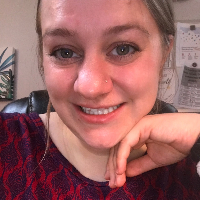

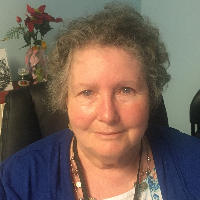

Iesha Whitaker
LCSW
New York - 8 yrs exp
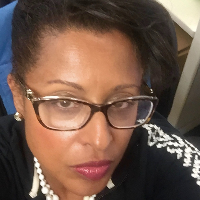



Josephine Ovalles
LCSW
New York - 13 yrs exp

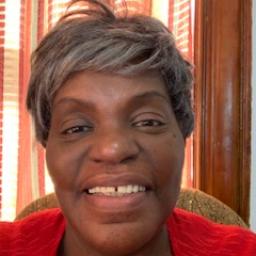

Claudia Stoscheck
LCSW
New York - 30 yrs exp
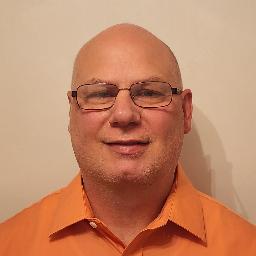
Patrick Russell
LMHC
New York - 25 yrs exp




What Mindfulness Therapy Is and the Principles Behind It
Mindfulness Therapy centers on cultivating a present-moment awareness that is nonjudgmental and curious. Rather than trying to eliminate difficult feelings, you learn to notice them with clarity and calm so they have less control over your reactions. Therapists draw on practices such as guided attention, breathing techniques, and body awareness exercises alongside reflective conversation. The focus is on training attention and changing your relationship to thoughts and sensations rather than on thought suppression.
How Therapists in New York Use Mindfulness in Practice
Practitioners across New York incorporate mindfulness into a range of therapeutic approaches. In clinical settings, therapists may blend mindfulness with cognitive-behavioral strategies to help you observe unhelpful thought patterns and choose responses that align with your values. In community clinics and private practices from Manhattan to upstate regions, therapists tailor mindfulness skills to the pace of your life - whether you are commuting through New York City, balancing work in Buffalo, or managing family responsibilities in Rochester. Some clinicians offer short daily practices to fit busy schedules, while others guide you through more structured programs over several weeks.
Common Issues Mindfulness Therapy Can Help With
Mindfulness is commonly used to address stress, anxiety, and difficulty concentrating. By training your attention, you can notice habitual reactions before they escalate, which often reduces the intensity of anxious cycles. People also use mindfulness to manage mood fluctuations, cope with chronic pain, and handle sleep disturbances by learning techniques to settle a busy mind. Beyond symptom reduction, many seek mindfulness to improve emotional regulation, increase resilience to life changes, and deepen self-awareness. Therapists in New York often work with clients facing the pressures of urban life, caregiving demands, work stress, and transitions, adapting practices to each person’s context.
What a Typical Online Mindfulness Therapy Session Looks Like
An online session usually begins with a check-in about how you’ve been feeling since your last meeting. Your therapist may invite a brief mindfulness practice at the start - a short guided breath exercise or a body scan lasting a few minutes - to help you arrive and settle into the session. You’ll then explore what came up for you during the week, with the therapist guiding you to bring mindful attention to specific thoughts or sensations. Sessions blend experiential practice with dialogue, helping you translate moments of awareness into daily routines. Many clinicians provide recorded exercises or homework practices so you can continue building skills between appointments. Online formats make it easier to maintain continuity if you travel between cities like New York City and Albany or if your schedule is unpredictable.
Who Is a Good Candidate for Mindfulness Therapy
Mindfulness Therapy is well suited to people who are ready to engage in practices that require attention and curiosity. If you want to change your relationship to stress, develop steadier focus, or build skills for emotional regulation, mindfulness may be a helpful fit. It is generally adaptable to different ages and backgrounds, and therapists can modify practices for beginners or for those with previous meditation experience. If you are navigating intense trauma, it is important to work with a therapist who has experience integrating mindfulness with trauma-informed care so practices are paced appropriately. Likewise, if you have physical limitations, a clinician can suggest gentle adaptations so you can participate comfortably.
How to Find the Right Mindfulness Therapy Therapist in New York
Start by thinking about what matters most to you in therapy. Consider preferences such as therapist training, experience with mindfulness-based approaches, session format, and whether you want in-person appointments or online work. Use the directory filters to view profiles that highlight mindfulness training, relevant professional credentials, and therapeutic orientation. Reading therapist bios can help you understand how they blend mindfulness with other modalities and whether they emphasize skills practice, reflective exploration, or a combination of both. If location matters, look for clinicians near neighborhoods in New York City, or in regional centers like Buffalo and Rochester, to find in-person options. You can also prioritize therapists who list experience working with issues similar to yours, such as stress management, sleep difficulty, or chronic pain.
Questions to Ask When You Contact a Therapist
When you reach out, you might ask how they integrate mindfulness into sessions, what a typical course of therapy looks like, and whether they provide recordings or materials for home practice. It is reasonable to inquire about session length, fees, and whether they offer a brief introductory call so you can assess fit. Many therapists will explain how they adapt mindfulness practices for online sessions and for clients with busy schedules. Trust your sense of comfort with a clinician’s communication style and approach when making a choice.
Practical Considerations for Sessions in New York
New York offers a wide range of mindfulness-trained therapists in urban and suburban settings. In New York City you may find clinicians who combine mindfulness with cultural and somatic practices, while therapists in smaller cities often emphasize a balance between structured practice and practical coping strategies. Transportation and scheduling can influence whether you choose in-person or online care. Online sessions create access across regions, letting you continue work with one therapist if you move between metropolitan areas and quieter communities. When you schedule your first appointment, plan for a comfortable, quiet setting at home or a calm room in the therapist’s office so you can fully engage in practice.
What to Expect Over Time
With regular practice, many people notice incremental changes - increased awareness of habitual reactivity, improved ability to shift attention, and greater capacity to make intentional choices in stressful moments. Progress is often gradual and personal, and your therapist will help you set realistic goals. Some clients attend weekly for several months, while others prefer shorter check-ins once they have established a practice. The most important factor is consistency, with even brief daily practices supporting meaningful change.
Next Steps
If you are ready to explore Mindfulness Therapy, use the directory to view clinician profiles, read about their training, and contact those who match your needs. Whether you live in the heart of New York City, the Buffalo region, or Rochester, you can find therapists who offer mindful approaches tailored to your life. Reaching out for an initial conversation can help you learn how a therapist structures sessions and whether their style feels like a good fit for your goals.