Find a Social Anxiety and Phobia Therapist in New York
This page features clinicians who specialize in social anxiety and phobia for New York residents. Browse practitioner profiles below to compare approaches, availability, and areas of focus to find a good match.


Dr. Colleen Downes
LCSW
New York - 35 yrs exp


Iesha Whitaker
LCSW
New York - 8 yrs exp

Catherine Daley
LCSW
New York - 5 yrs exp


Josephine Ovalles
LCSW
New York - 13 yrs exp
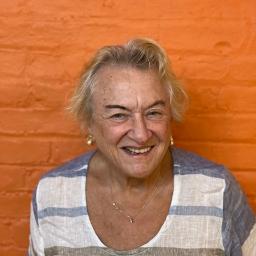

Claudia Stoscheck
LCSW
New York - 30 yrs exp



How social anxiety and phobia therapy typically works for New York residents
If you are seeking help for social anxiety or a specific phobia, therapy usually begins with an initial assessment where a clinician learns about your history, current concerns, and goals. In New York you will find providers who use a range of approaches that focus on reducing avoidance and building coping skills so you can function more comfortably in everyday situations. Many therapists use structured methods that include learning new ways to think about social situations, practicing interactions in a gradual way, and developing tools to manage physical symptoms like rapid heartbeat or intense worry.
Your plan may combine short-term, goal-focused work with longer-term support depending on how long symptoms have been present and how they affect your work, relationships, or daily routines. Sessions may take place in a therapist's office in urban centers like New York City or in smaller clinics across Buffalo, Rochester, Albany, and Syracuse. Increasingly, providers also offer online appointments so you can maintain continuity of care whether you live in the city, a suburb, or a more rural part of the state.
Finding specialized help for social anxiety and phobia in New York
Because New York is large and diverse, you have options when you look for a therapist who understands social anxiety and phobia. Some clinicians focus on adolescent or college-age social anxiety, which can be helpful if you attend school in New York City or SUNY campuses across the state. Others specialize in adult social anxiety tied to workplace interactions, public speaking, or dating. When searching, look for therapists who list social anxiety, social phobia, public speaking anxiety, or specific phobia on their profiles to ensure you get someone with relevant experience.
Clinical training and professional licensure matter. Therapists in New York may hold credentials such as licensed clinical social worker, licensed professional counselor, psychologist, or licensed marriage and family therapist. You can often learn about a clinician's training and the populations they serve by reading their profile. In larger metropolitan areas you may find clinicians with additional training in exposure therapy, acceptance and commitment approaches, or cognitive-behavioral techniques adapted for social anxiety. In smaller cities and towns, clinicians may offer flexible scheduling and a community-focused approach.
What to expect from online therapy for social anxiety and phobia
Online therapy can be a practical option if you live in a part of New York where in-person specialists are less available or if you prefer the convenience of remote sessions. When you choose online therapy, you can expect a format similar to in-person work - assessment, collaborative goal setting, skill-building exercises, and regular sessions - delivered through video or phone. Online work can make it easier to practice exposure exercises in real-world settings near your home or workplace, because you can schedule sessions around actual situations you encounter.
Privacy while attending online sessions is important, so plan to join from a quiet place where you feel comfortable speaking openly. Some therapists will offer guidance on how to structure exposure tasks remotely and will use screen-sharing or worksheets during sessions to teach anxiety management techniques. If you live in or near New York City, Buffalo, Rochester, Albany, or Syracuse, you may have the option to combine online and occasional in-person visits depending on a clinician's offerings and your needs.
Common signs that someone in New York might benefit from social anxiety and phobia therapy
You might consider seeking help if fear of judgment or intense anxiety in social situations keeps you from pursuing work, social, or study opportunities. Avoiding events, rehearsing conversations for hours beforehand, experiencing physical symptoms like trembling or nausea before interacting with others, or needing to leave situations early because of overwhelming worry are all indications that therapy could be helpful. For specific phobias - for example, an intense fear of driving in heavy traffic or of elevators in tall buildings - the result can be substantial disruption to your daily life in a dense urban environment.
Living in New York often involves frequent social or public encounters - commuting on busy trains, meeting coworkers, or attending community events. If these routine activities create ongoing distress, and if coping strategies you have tried on your own are not enough, a therapist who specializes in social anxiety can help you develop practical skills to face those situations with increasing confidence.
Practical tips for choosing the right therapist in New York
Start by clarifying what matters most to you - clinical approach, years of experience with social anxiety, availability for evenings or weekends, or proximity to public transit. If you prefer in-person work, consider locations that are easy to reach from where you live or work, whether that is Manhattan, Queens, Brooklyn, or areas upstate. If online therapy is a priority, look for clinicians who explicitly state they offer telehealth and who describe how they adapt exposure and behavioral practices to a virtual setting.
Pay attention to the therapist's stated specialties and the populations they work with. A therapist who regularly treats social anxiety with exposure-focused cognitive-behavioral methods may be a good fit if you want a skills-based, structured approach. If you would rather explore how social fears developed over time, a clinician with a psychodynamic or integrative orientation may be more comfortable for you. You can often get a sense of fit from short introductory calls or an initial consultation - many therapists offer a brief phone conversation so you can ask about their approach and what a typical session would look like.
Consider logistical details as well. Ask about fees, insurance options, appointment frequency, and whether the therapist offers flexible scheduling for people who work nonstandard hours. In larger cities like New York City you may find more evening and weekend availability. In Buffalo and Rochester therapists may have different appointment structures that suit commuters or students. Thinking through these practical elements ahead of time will help you choose someone whose services align with your life.
Getting started and what comes next
After you select a therapist and begin sessions, expect an initial period of assessment and goal-setting where you and the clinician decide on priorities and plan steps for change. Early work often focuses on learning tools to manage anxiety in the moment and on designing small, manageable exposures to feared social situations. Over time you will build a toolkit of strategies for thinking and acting differently around social events, public-facing tasks, and situations that previously led to avoidance.
Finding the right therapist can take a little time, but you have options across New York whether you live in a dense urban neighborhood or a smaller community. Use listings to compare profiles, read descriptions of therapeutic approaches, and contact clinicians to ask questions about their experience with social anxiety and phobia. That first step of reaching out is often the hardest, but it opens the door to practical support and gradual change so you can engage more fully with the people and places that matter to you.