Find a Self-Love Therapist in New York
This page connects you with Self-Love therapists practicing throughout New York, with options for both in-person and virtual sessions. Use the listings below to compare approaches, locations, and availability as you find a therapist who fits your needs.




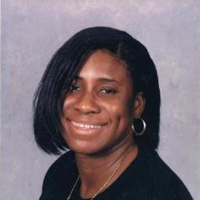
Dr. Colleen Downes
LCSW
New York - 35 yrs exp
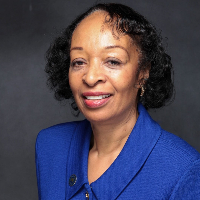



Iesha Whitaker
LCSW
New York - 8 yrs exp

Catherine Daley
LCSW
New York - 5 yrs exp













How Self-Love Therapy Works for New York Residents
Self-love therapy focuses on helping you develop a kinder relationship with yourself, shifting patterns of self-criticism toward self-compassion and practical self-care. In New York, therapists trained in this specialty draw on a range of evidence-informed approaches, including cognitive-behavioral techniques, mindful self-compassion practices, acceptance-based strategies, and psychodynamic exploration of early relational patterns. Sessions typically begin with an assessment of what you hope to change - your relationship to yourself, how you cope with stress, or patterns that affect your relationships and work - and then proceed with collaborative goals and exercises tailored to your life.
Because New York is geographically and culturally diverse, therapists often adapt interventions to the rhythms of city life or the specific pace of suburban and upstate communities. Whether you live in a fast-moving neighborhood in New York City or a quieter area near Rochester or Buffalo, you can work with a clinician who understands how your environment, cultural background, and daily demands interact with your self-image and habits.
Finding Specialized Help for Self-Love in New York
When you search for a therapist in New York who specializes in self-love, look beyond generic labels and read profiles to see how clinicians describe their experience with self-compassion work. Some therapists emphasize skill-building - learning to notice harsh self-talk and replace it with more balanced internal dialogue - while others center experiential and somatic practices that help you feel acceptance in your body. In urban centers like New York City you may find clinicians who combine culturally informed care with specialized groups or workshops on self-compassion. In smaller markets such as Buffalo or Rochester, clinicians may offer a blend of individualized therapy and community-based resources that reflect local values and lifestyles.
Consider also whether you prefer a therapist who identifies a specific theoretical orientation, such as cognitive-behavioral therapy, acceptance and commitment therapy, or interpersonal approaches, or someone who integrates multiple methods. Many therapists list training in compassion-focused work, mindfulness, or trauma-informed care on their profiles, which can be especially helpful if your difficulty with self-love is connected to past relational wounds.
What to Expect from Online Therapy for Self-Love
Online therapy is a widely used option in New York and can make self-love work more accessible when commuting or scheduling are barriers. In virtual sessions you can practice techniques in your everyday environment, bringing real-life examples directly into conversation. Therapists will often invite you to experiment with self-compassion exercises during or between sessions and to reflect on how they fit into your daily routine. You should expect clear information from your therapist about appointment logistics, privacy policies, payment, and how to reach them between sessions if needed. Many clinicians offer a mix of video and telephone sessions to accommodate different comfort levels and connectivity constraints.
When choosing online care, consider the practical details: whether the therapist works across state lines if you travel frequently, how they handle documentation and record-keeping, and what steps they take to support a respectful, focused session. Therapists often help you create a comfortable setting at home for sessions - a quiet corner, headphones, and a consistent appointment time - so you can get the most out of the work. If group formats are of interest, some clinicians run virtual self-compassion groups that allow you to practice skills alongside others in a guided environment.
Common Signs You Might Benefit from Self-Love Therapy
You might consider seeking self-love therapy if you notice persistent harsh self-judgment that interferes with relationships, work, or enjoyment of life. If you routinely defer your needs, struggle to celebrate achievements, or compare yourself unfavorably to others in ways that lower your mood or motivation, self-love work can help you cultivate different patterns of relating to yourself. People who have experienced criticism, neglect, or emotional invalidation in childhood may carry internalized voices that undermine self-worth; therapy provides a space to assess and transform those internal narratives.
Other signs include chronic burnout from overgiving, difficulty setting boundaries, frequent anxiety about being judged, or a sense that you are living to meet others' expectations rather than your own values. In New York, where societal pressures and fast-paced lifestyles can amplify these experiences, a clinician can help you identify realistic, culturally attuned strategies to slow down, re-prioritize, and create sustainable habits that honor your wellbeing.
Tips for Choosing the Right Therapist for Self-Love in New York
Start by clarifying what matters most to you in therapy - whether it is learning practical tools, processing past experiences, or building ongoing self-support. Read therapist profiles for language that resonates with you, such as references to compassion-based practices, strengths-focused work, or relational exploration. Pay attention to clinicians who describe how they tailor sessions to fit busy schedules or urban living, particularly if you are balancing career and family responsibilities in New York City or commuting from suburbs around Buffalo or Rochester.
Consider modality and logistics. Decide if you prefer in-person sessions in a comfortable environment or the convenience of virtual visits. Look at availability, fees, insurance options, and whether the therapist offers sliding-scale rates if cost is a concern. When you contact a therapist, notice how they respond. A clear, courteous initial conversation can give you a sense of how they approach collaboration and whether they prioritize creating a respectful, nonjudgmental space for your work.
Trust your instincts during an initial session. It is common to feel uncertain at first; however, you should sense that the therapist listens carefully and offers interventions that feel relevant to your goals. If an approach does not feel right after a few sessions, you can discuss adjustments or explore referrals to another clinician who may be a better fit for your style or needs.
Local Considerations for New York Residents
Living in New York gives you access to a wide range of clinicians, community groups, and workshops focused on self-compassion and personal growth. In metropolitan areas you may find specialized clinicians who work with diverse identities and cultural backgrounds, while upstate and smaller city practitioners often bring a community-oriented perspective. Transportation, cost of living, and work schedules vary widely across the state, so seek a therapist whose practice model aligns with your routine - some offer evening or weekend sessions, and some integrate flexible virtual options to reduce travel time.
Self-love therapy is not a one-size-fits-all endeavor. Whether you are building new daily practices, healing from relational wounds, or learning to set boundaries in demanding environments, the right therapist can help you move toward a steadier sense of self-care and resilience. Browse profiles to find someone whose approach and availability match your needs, and remember that beginning this work is a step toward treating yourself with more compassion and curiosity in the everyday life of New York.