Find a Self-Harm Therapist in New York
This page lists licensed therapists across New York who specialize in self-harm support and related crisis care. You will find profiles that highlight clinicians' approaches, credentials, and locations in places such as New York City, Buffalo, and Rochester. Browse the listings below to compare options and connect with a therapist who fits your needs.
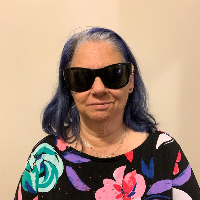



Josephine Ovalles
LCSW
New York - 13 yrs exp



















How self-harm therapy works for New York residents
When you seek help for self-harm in New York, therapy typically begins with an assessment to understand your history, current concerns, and safety needs. That early conversation helps a clinician tailor a plan that focuses on reducing immediate risk, teaching coping skills, and addressing underlying factors like trauma, depression, anxiety, or overwhelming stress. Treatment is most effective when it balances short-term strategies for staying safe with longer-term work on emotional regulation and meaningfully changing patterns that contribute to self-harm.
Your therapist may coordinate with other professionals if needed, such as primary care providers, school counselors, or psychiatric prescribers, while respecting your preferences for involvement. In New York, many clinicians emphasize collaborative safety planning - a concrete set of steps you and your therapist create together for times when urges increase. This plan often includes identifying warning signs, coping strategies you can try in the moment, people you can contact, and how to get emergency help if needed.
Finding specialized help for self-harm in New York
Searching for a therapist who specifically lists self-harm or self-injury as an area of specialty helps ensure you find someone with relevant training and experience. In larger metropolitan areas such as New York City, Buffalo, and Rochester, you may find clinicians offering intensive outpatient programs, group skills training, or clinicians with formal training in approaches commonly used for self-harm. In smaller communities across the state, community mental health centers and university counseling services can also be a starting point for referrals and support.
Licensure matters when you are choosing care. Clinicians in New York should hold appropriate state licenses such as Licensed Clinical Social Worker, Licensed Mental Health Counselor, Licensed Marriage and Family Therapist, or a doctoral-level license for psychologists. Many therapists also pursue post-graduate training in evidence-informed approaches that address self-harm, which can be noted on their profiles. If language access, cultural sensitivity, or experience with specific age groups is important to you, look for therapists who highlight those aspects of their work.
Asking about approach and experience
It is reasonable to ask therapists how much of their practice focuses on self-harm and what treatments they use. Approaches such as dialectical behavior therapy - often focused on emotion regulation and distress tolerance - cognitive behavioral strategies, trauma-informed care, and skills-based group formats are commonly used. You might also ask about their experience working with people of your age, cultural background, or with co-occurring conditions. These conversations help you assess whether a clinician’s style and training match what you’re looking for.
What to expect from online therapy for self-harm
Online therapy has become a widely used option across New York, offering greater access for people who live far from specialized providers or who need more flexible scheduling. Sessions usually take place by video or phone and can include real-time skills coaching, safety planning, and check-ins between sessions. When you choose online care, your clinician should explain how they handle emergency situations - for example, how to reach local crisis services if you are at immediate risk and how to implement the safety plan when you are not together in person.
While online therapy increases convenience, you should consider practical details before beginning. Make sure you have a quiet place where you can speak freely, reliable internet or phone access, and an understanding of appointment logistics such as session length and payment options. For people in New York City or upstate cities like Buffalo and Rochester, online sessions can bridge gaps when in-person specialty providers are booked or geographically distant. If you plan to use insurance, confirm with both your insurer and the therapist that telehealth sessions are covered.
Common signs someone in New York might benefit from self-harm therapy
You might consider seeking help if you notice that urges to harm yourself are frequent, intensifying, or interfering with daily life. Other signs include using injurious behaviors as a primary way to manage emotions, experiencing increased secrecy or withdrawal, and noticing injuries or scarring that cause concern. Changes in mood, sleep, eating, or increased use of substances to cope can also signal the need for additional support. If you are worried about a friend or family member, expressed feelings of hopelessness, talk of wanting to disappear, or dramatic behavior changes are reasons to encourage them to connect with a professional.
Immediate help is important when safety feels compromised. In moments of crisis you can call 988 or go to the nearest emergency room. Local mental health crisis teams and urgent care clinics in New York City, Buffalo, Rochester, Albany, and Syracuse can also direct you to resources that serve your community. Having a plan for how to get help quickly is a central part of therapy for people who experience self-harm urges.
Tips for choosing the right therapist for this specialty in New York
Start by clarifying what kind of support you want - short-term coping skills, ongoing therapy, or involvement of family members. Review therapist profiles for credentials, years of experience, and stated approaches. If a therapist lists training in evidence-informed treatments that address self-harm, that can be helpful, but a good fit also depends on how safe and understood you feel in the first few sessions. Many people try an initial consultation to see if the therapist’s style resonates with them.
Practical considerations matter too. Ask about fees, sliding scale availability, and whether the therapist accepts your insurance. Check their availability for same-week or urgent appointments if you anticipate needing quick access. Location is important for in-person care - you may prefer a provider near public transit in New York City or one who has evening hours if you commute from suburbs around Buffalo or Rochester. If you plan to use telehealth, confirm any licensing requirements that may affect whether the therapist can work with you across state lines; therapists who serve New York residents will typically be licensed in this state.
Trust your instincts about rapport. Feeling heard and respected in early sessions is often a better predictor of progress than the name of any single treatment approach. If a therapist’s approach or personality doesn’t feel like a match, it is reasonable to try another clinician until you find someone who feels right.
Next steps and local considerations
Begin by reviewing profiles in the listings below to compare specialties, approaches, and locations. If you are a parent or caregiver, consider providers who list experience working with adolescents or family-focused interventions. College students may explore campus counseling resources alongside community clinicians in cities such as New York City and Syracuse. If cost is a key concern, public mental health centers in many counties offer options on a sliding scale and can help connect you to additional supports.
Reaching out for help is a practical first step toward change. When you contact a therapist, a brief phone or video consultation gives you a chance to describe your concerns, learn about their practice, and start a safety plan if needed. Whether you choose in-person care in a nearby office or ongoing online sessions, the right therapist can help you build new tools for managing urges and creating a plan for your wellbeing. Browse the listings to find practitioners in your area and take the next step when you are ready.