Find a Self Esteem Therapist in New York
This page connects you with therapists across New York who specialize in self esteem concerns, including options in New York City, Buffalo, Rochester, Albany, and Syracuse. Browse the listings below to compare approaches, availability, and ways to begin.





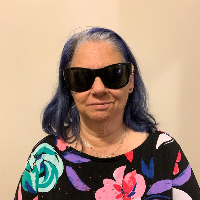

Dr. Colleen Downes
LCSW
New York - 35 yrs exp




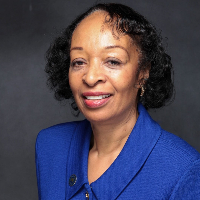



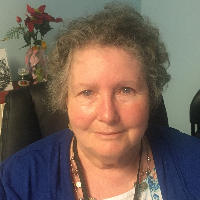




Iesha Whitaker
LCSW
New York - 8 yrs exp




How self esteem therapy works for New York residents
When you seek therapy for self esteem in New York, you will typically find clinicians who use a mix of evidence-informed approaches aimed at shifting long-standing patterns of self-judgment, perfectionism, and avoidance. Many therapists use cognitive behavioral strategies to identify critical self-talk and reframe unhelpful beliefs. Others bring relational or emotion-focused methods that help you explore how early relationships shaped your sense of worth. In either case, the work often begins with assessment - a conversation about the situations where low self esteem shows up, the beliefs that underlie those feelings, and the small steps you can take to test new ways of relating to yourself and others.
How it looks in practice depends on your goals and schedule. You might start with weekly sessions to build momentum, move to biweekly sessions as you gain skills, and use periodic check-ins as you consolidate changes. Many therapists ask you to try exercises between sessions - journaling about self-critical thoughts, practicing assertive communication in low-stakes situations, or experimenting with behavioral exposures to reduce avoidance. Over time you and your clinician will track progress and adjust the plan to fit your life in New York, whether you live in a dense neighborhood in New York City or a quieter suburb upstate.
Finding specialized help for self esteem in New York
Searching for a clinician who focuses on self esteem starts with identifying the specific issues you want to address. If you struggle with body image, look for clinicians with experience in body image work or eating disorder awareness. If your self esteem concerns relate to work performance or imposter feelings, seek someone familiar with workplace stress and career transitions. In larger metropolitan areas like New York City you will often find clinicians who specialize narrowly, offering modalities tailored to adolescents, adults, or specific identity groups. In Buffalo, Rochester, Albany, and Syracuse you may see a mix of private practitioners and community-based clinicians with broad experience addressing self worth in the context of family, cultural, or economic stressors.
Practical steps include reviewing clinician profiles to learn about their training, therapy approaches, and population focus. You can narrow results by language, years of experience, and whether they offer evening or weekend availability. Some people find it helpful to reach out for an initial phone or video consultation to gauge fit before committing to a first session. If insurance coverage matters to you, check each clinician's listed payment options and whether they participate with your insurer or offer a sliding scale. Clinics associated with universities or community health centers can be good options if cost is a concern and you want supervised care from clinicians in training under experienced supervisors.
What to expect from online therapy for self esteem
Online therapy for self esteem is widely available across New York and can be especially convenient if you balance work, school, or family responsibilities. When you choose video sessions, you can save commute time and often access clinicians whose offices are not near your home. In busy urban areas like New York City, online therapy reduces the need to factor in transit delays. In smaller cities and rural areas, virtual sessions expand the pool of clinicians who may have the specific expertise you want.
Expect the first online appointment to mirror an in-person intake: you and the therapist will review your history, identify current challenges, and set initial goals. Your clinician will also discuss practical matters like session length, frequency, fees, and the technology platform used. To get the most from virtual sessions, choose a quiet area where you can speak without interruptions and use headphones to minimize background noise. If you are concerned about privacy at home, consider scheduling sessions during times when others are out or using a parked car or workplace breakroom as a temporary setting that feels comfortable for you. Many therapists provide guidance about preparing for sessions and may offer a mix of video, phone, and messaging between appointments to support ongoing work.
Signs you might benefit from self esteem therapy
You might consider therapy if you notice persistent negative self-talk that interferes with daily life, such as continually devaluing your accomplishments or assuming others will find you lacking. If you avoid opportunities - networking events, auditions, dating, or promotions - because you expect failure or rejection, there may be underlying self worth issues to explore. Perfectionism can also be a sign; when striving for flawless performance becomes a cycle of harsh self-criticism, therapy can help you develop more realistic standards and self-compassion.
Other indicators include ongoing difficulty asserting yourself, chronic people-pleasing at the expense of your needs, and relationships that suffer because you cannot accept praise or set boundaries. If low mood, anxiety, or eating concerns are tied to how you view yourself, addressing self esteem directly can be an important part of recovery. You do not need to wait until problems become severe; many people benefit from therapy when they notice patterns that limit fulfillment or when they want to build confidence for a specific life change such as a new job, relocation, or a relationship transition.
Tips for choosing the right therapist in New York
Choosing a therapist is a personal decision and you should prioritize fit as much as credentials. Start by clarifying what change you want to see and ask potential clinicians how they typically work with self esteem concerns. Inquire about the therapy approaches they use and how they measure progress. You can ask whether they assign between-session exercises and how they support changes outside of sessions. If cultural factors, identity, or language are important to you, look for clinicians with explicit experience in those areas. In a diverse state like New York, many therapists list cultural competence or specialized training working with particular communities, which can improve rapport and relevance.
Consider practical logistics - location, fees, availability, and whether they offer teletherapy - because consistent attendance matters more than a perfect theoretical match. In New York City you will likely have access to a wider range of specialists, so you can be selective about therapeutic style and niche experience. In Buffalo and Rochester you might find that very experienced clinicians are available at community clinics or through teletherapy, so be open to initial video sessions if that broadens your options. An initial consultation is a useful opportunity to assess whether you feel heard and understood. If you do not feel a connection after a few sessions, it is reasonable to try a different clinician; therapeutic rapport is one of the strongest predictors of positive change.
Next steps
Taking the first step toward working on self esteem often feels daunting, but accessing specialized care in New York is increasingly straightforward. Use the listings above to compare profiles, read therapist statements about their approach, and reach out to schedule a consultation. Whether you live amid the fast pace of New York City or in a smaller community like Buffalo or Rochester, you can find clinicians who will work with you to build more reliable self-regard, clearer boundaries, and practical skills that support the life you want to lead.
When you are ready, reach out to a clinician listed on this page to ask about their approach to self esteem work and how they tailor treatment to your goals. A short initial conversation can clarify whether a therapist is the right fit, and that first step often leads to meaningful shifts over time.