Find a Relationship Therapist in New York
This page helps you find relationship therapists in New York who support individuals and couples with communication, conflict, and connection.
Browse the listings below to compare specialties, approaches, and availability, then reach out to schedule a first session.





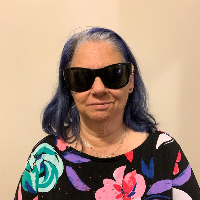
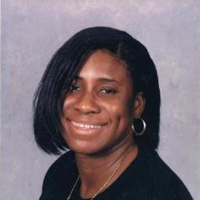
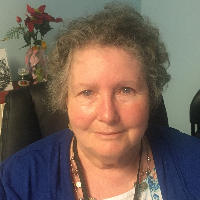
Dr. Colleen Downes
LCSW
New York - 35 yrs exp



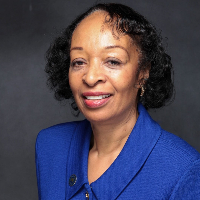




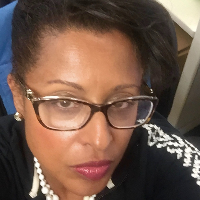
Iesha Whitaker
LCSW
New York - 8 yrs exp





Relationship therapy in New York: what it is and how it can help
Relationships can be affected by stress, life transitions, cultural expectations, family responsibilities, and the pace of daily life. In New York, that might look like long commutes, demanding work schedules, or the pressure of juggling multiple roles at once. Relationship therapy offers a structured space for you to slow things down, make sense of recurring patterns, and practice new ways of communicating and reconnecting.
Relationship therapy is not only for couples on the brink of a breakup. You can use it to strengthen a good relationship, to repair after a rupture, or to navigate a specific challenge like parenting disagreements, blending families, or rebuilding trust after a breach of boundaries. Many people also pursue relationship-focused therapy individually, especially if a partner is not ready to attend sessions. In that case, you can still work on your side of the dynamic, clarify what you want, and build skills that support healthier relationships.
A relationship therapist typically helps you identify patterns that keep you stuck - for example, one person withdraws while the other pursues, or conflict escalates quickly and then shuts down. Therapy focuses on understanding what happens during hard moments, what each person needs, and how to communicate those needs in ways that are more likely to be heard.
How relationship therapy works for New York residents
In New York, you may be looking for support that fits your location, schedule, and preferences. Some people want in-person sessions near home or work, while others prefer remote sessions to avoid travel time, parking, or weather disruptions. The good news is that many clinicians offer flexible options that can work whether you live in New York City or in other parts of the state.
Relationship therapy often begins with an initial consultation where you share what brings you in, what you have tried, and what you hope will change. A therapist may ask about your relationship history, current stressors, and any major life events that shape the way you relate to each other. Over time, sessions may include:
Mapping your conflict cycle so you can recognize early warning signs and shift course sooner
Practicing communication tools such as reflective listening, clear requests, and repair attempts
Exploring values, boundaries, and expectations around commitment, family, and autonomy
Strengthening emotional connection through empathy-building and vulnerability skills
Creating practical agreements for shared responsibilities, finances, intimacy, or parenting
If you are seeking relationship therapy as an individual, you might focus on attachment patterns, boundary setting, conflict responses, and decision-making. You can also work on how to communicate needs more directly, how to tolerate discomfort during hard conversations, and how to choose partners and relationships that align with your values.
Finding specialized relationship help in New York
“Relationship therapy” can mean different things depending on a clinician’s training and the type of relationship concerns you want to address. When you browse therapists in New York, look for profiles that mention experience with the issues that matter most to you, such as:
Communication breakdown and frequent arguments
Trust concerns, jealousy, or secrecy around phones, finances, or social media
Premarital counseling and preparing for long-term commitment
Co-parenting stress, parenting differences, or navigating extended family
Life transitions like relocation, career changes, or caring for aging parents
Intimacy concerns, mismatched desire, or difficulty discussing sex respectfully
Intercultural, interfaith, or blended-family dynamics
Relationship strain related to substance use in the household
New York is diverse, and you may also want a therapist who understands your community and lived experience. Many people look for cultural humility, experience with LGBTQ+ relationships, familiarity with nontraditional relationship structures, or comfort discussing immigration, religion, and multigenerational family expectations. It is reasonable to ask a potential therapist about these areas in an initial call.
Location can also shape your search. If you are in New York City, you may prioritize evening appointments, short-notice availability, or therapists familiar with high-pressure work environments. If you are in Buffalo or Rochester, you might look for clinicians who understand the rhythms of smaller cities, local support systems, and the practicalities of winter travel. Wherever you are, you can use the directory to compare fit and logistics quickly.
What to expect from online relationship therapy
Online relationship therapy can be a strong option if you want convenience, privacy, or access to specialists who are not nearby. You meet through secure video sessions from home, work, or any private space. Many couples find that remote sessions reduce friction because they do not have to commute, arrange childcare, or rush from one obligation to another.
How sessions typically run
Most online sessions look similar to in-person sessions: you and your therapist talk through recent situations, identify patterns, and practice new skills. Your therapist may guide you through structured exercises, such as taking turns speaking and reflecting, slowing down escalation, or naming emotions and needs more clearly. Between sessions, you might be encouraged to try short “check-in” conversations, practice repair statements, or set boundaries around hot-button topics.
Practical considerations for New York residents
Privacy: Choose a quiet room, use headphones, and consider a white-noise app outside the door if you have roommates or children at home.
Scheduling: If you are coordinating two calendars, ask about evening or weekend slots and cancellation policies.
Technology: Test your internet connection and camera beforehand, and have a backup plan if one partner’s connection drops.
Location flexibility: If you travel within the state for work or family, online sessions can help you keep consistent appointments.
Online therapy can be especially helpful when you and your partner live in different places, are temporarily separated due to work, or want to keep therapy consistent during busy seasons. If you prefer in-person sessions, many therapists also offer a hybrid approach.
Common signs you might benefit from relationship therapy
You do not need a crisis to seek support. Many people start relationship therapy when they notice the same painful moment repeating, even after promising it will not happen again. Consider reaching out if any of these feel familiar:
You have the same argument repeatedly, and it never feels resolved
Small issues escalate quickly into criticism, defensiveness, or shutdown
You feel lonely or disconnected even when you are together
Trust has been shaken and you are unsure how to rebuild it
You avoid certain topics because they always lead to conflict
There is a mismatch in effort, responsibility, or emotional labor
Intimacy feels tense, pressured, or hard to talk about
You are considering separation and want clarity and support while deciding
Major life stressors in New York - work demands, family obligations, or financial pressure - are spilling into your relationship
If you are in New York City, the pace of life can make it easy to postpone hard conversations until resentment builds. In Buffalo or Rochester, community ties and family networks can add another layer, especially when boundaries with extended family feel complicated. Relationship therapy can help you address these pressures directly and create workable agreements.
Tips for choosing the right relationship therapist in New York
Fit matters. A therapist can be highly skilled, but the process works best when you feel respected, understood, and appropriately challenged. Use these tips to narrow down your options in New York:
Look for alignment with your goals
Before you contact anyone, define what success would look like in 2-3 clear statements. For example: “We want to argue without name-calling,” “We want to rebuild trust and set boundaries,” or “I want to decide whether to stay in this relationship.” Then look for therapists who describe experience with those goals.
Ask about their approach to relationship work
Different therapists emphasize different tools, such as communication skills, emotional bonding, or practical problem-solving. In an initial consultation, you can ask how they typically structure sessions, whether they assign between-session practice, and how they help couples move from insight to action.
Consider logistics that support consistency
Progress often depends on steady attendance. Choose a therapist whose availability matches your reality, whether that means early morning sessions before work in New York City, lunchtime sessions between commitments, or evening slots that accommodate commutes in and around Rochester. If weather or travel is a concern, ask about online or hybrid options.
Notice how the therapist handles balance and safety in sessions
A strong relationship therapist helps each person feel heard while also keeping the conversation productive. You can ask how they manage high-conflict sessions, how they prevent interruptions, and how they support repair after a difficult conversation. If you are attending individually, ask how they will help you stay focused on your goals rather than getting pulled into blame or rumination.
Use the first few sessions as a real-world test
After 2-4 sessions, you should have a clearer sense of whether the process feels useful. You might not feel “better” yet, but you should understand the plan, the patterns you are working on, and what you are practicing between sessions. If you feel stuck, it is okay to bring that up directly and ask for adjustments.
Getting started with relationship therapy in New York
When you are ready, browse the therapist listings on this page and shortlist a few options that match your needs. Read each profile for specialties, session format, and scheduling details. Then reach out with a brief message describing what you want help with and what times you are available. If you are seeking couples therapy, mention whether your partner is ready to participate now or if you want to begin individually.
Relationship therapy is a practical investment in how you communicate, repair, and connect. Whether you live in New York City or elsewhere in the state, the right support can help you approach challenges with more clarity and less reactivity, one conversation at a time.