Find a Prejudice and Discrimination Therapist in New York
This page lists New York therapists who specialize in prejudice and discrimination, offering culturally informed approaches and trauma-aware care. Browse the listings below to compare backgrounds, specializations, and appointment options across the state.







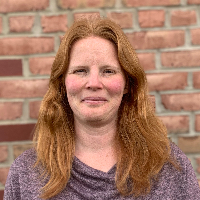
Claudia Stoscheck
LCSW
New York - 30 yrs exp









How prejudice and discrimination therapy works for New York residents
If you are struggling with the ongoing effects of prejudice or discriminatory experiences, therapy can offer a structured way to process those events, develop coping strategies, and rebuild a sense of agency. Therapists who focus on prejudice and discrimination use a range of approaches that integrate cultural awareness with evidence-informed techniques. You may work with a clinician who blends trauma-informed care with cognitive and emotion-focused methods to address the emotional impact of bias, microaggressions, or identity-based harm. In New York, clinicians often tailor treatment to the local context - whether that means navigating the fast-paced stressors of New York City, working within smaller community networks in Buffalo, or addressing regional concerns in places like Rochester.
Therapeutic goals and methods
Your work with a therapist typically begins by clarifying what you want to achieve and identifying how experiences of prejudice have affected different parts of your life. Goals can range from reducing symptoms like anxiety and sleep disruption to learning communication strategies for confronting bias at work or in family settings. Therapists may use narrative techniques to help you reframe experiences, skills training to manage physiological responses to stress, and identity-affirming interventions to strengthen self-concept. In some cases, group therapy or community-based programs may complement individual work by offering peer support and collective healing opportunities.
Finding specialized help for prejudice and discrimination in New York
Searching for a therapist who understands the nuances of prejudice and discrimination means looking beyond generic listings. Start by checking clinician profiles for explicit training or experience in cultural competency, anti-oppression work, or trauma related to bias. Many practitioners indicate populations they serve and modalities they use, which helps you match your needs to their expertise. In large urban areas such as New York City you will likely find a wide range of specialty options, including clinicians who work with specific racial, ethnic, religious, immigrant, or LGBTQ communities. In cities like Buffalo and Rochester, you may find clinicians who combine specialized training with strong community ties that can be important for continuity of care.
Local resources and community fit
Consider the local landscape when choosing a clinician. Community mental health centers, university counseling programs, and independent practices each offer different advantages. If proximity matters, look for therapists who list neighborhoods or transit access on their profiles. If you value cultural match, seek clinicians who speak your language or who have experience with your cultural background. You may also want to learn whether a therapist engages in advocacy or community education, which can be helpful if you are looking for someone who understands systemic contexts as well as individual healing.
What to expect from online therapy for prejudice and discrimination
Online therapy is a widely used option in New York and can be especially helpful when you want more flexible scheduling or access to specialists who are not in your immediate area. When you choose teletherapy, sessions usually take place via video or phone and follow a similar structure to in-person work - you and the therapist set goals, explore experiences, and practice strategies between sessions. Online care can broaden your options if you live outside major centers like New York City, or if the therapist you prefer works primarily with clients across the state.
Practical considerations for remote work
Before starting online therapy, confirm that the clinician is licensed to practice in New York and ask about their approach to technology and boundaries. Establishing a consistent space for sessions - a quiet room, a routine, and clear expectations about interruptions - helps the work feel meaningful. You should also discuss what to do if an urgent situation arises between sessions and how the therapist coordinates care with other providers if needed. Many people find that the convenience of online sessions helps them stay consistent with treatment while balancing work, family, or commuting demands.
Common signs that someone in New York might benefit from prejudice and discrimination therapy
You might consider seeking specialized therapy if experiences of bias are causing ongoing distress, interfering with your relationships or work, or shaping how you move through public spaces. Symptoms that often indicate a need for support include persistent anxiety or hypervigilance after discriminatory incidents, nightmares or intrusive memories about humiliating events, avoidance of certain environments out of fear, and difficulties trusting coworkers or institutions. You might also notice changes in mood, increased isolation, or a sense that your identity is under constant threat. If these patterns are present, you may find it helpful to work with a therapist who understands how prejudice interacts with mental and emotional well-being.
Tips for choosing the right therapist for this specialty in New York
Choosing a therapist is a personal process that benefits from both research and intuition. Begin by looking for clinicians who explicitly list experience with prejudice, discrimination, or identity-related trauma. Read profiles to learn about their training, approach, and populations served. Reach out with questions about their experience with issues like microaggressions, workplace bias, or intersectional identities. Ask how they incorporate cultural context into treatment and whether they offer flexible appointment formats. Practical considerations such as insurance acceptance, sliding scale options, or evening availability may matter depending on your schedule and budget. If you live in or near New York City you may prioritize cultural fit given the city's diversity, while in Buffalo or Rochester you might value a therapist's connection to local community resources.
Trust and rapport
Once you have a short list of potential therapists, schedule an initial consultation to assess rapport. Use that conversation to gauge how the therapist listens to your story, how they respond to questions about their experience with discrimination-related issues, and whether they suggest a plan that resonates with your goals. It is normal to try a few clinicians before finding the right match, and switching therapists is a valid step if you are not feeling heard or supported.
Preparing for your first appointment and next steps
Before your first session, think about what you most want to address and any immediate goals you have for therapy. You may bring notes about recent incidents, patterns you have noticed, or questions about coping techniques. Be prepared to talk about how experiences of bias affect your daily life, including work, family, and community connections. If you are seeking services for a young person or family member, clarify roles and consent beforehand. After a few sessions you and your therapist should have a clearer idea of how often to meet and what kinds of strategies will be most helpful. Remember that progress is often gradual and that therapy is a collaborative effort.
Finding the right therapist in New York can be an important step toward regaining a sense of stability and developing strategies to navigate bias and discrimination. Whether you choose in-person care in a neighborhood office or online sessions that fit a busy life, the directory listings below are designed to help you compare clinicians, specialties, and practical logistics so you can take the next step with confidence.