Find a Post-Traumatic Stress Therapist in New York
This page helps you find Post-Traumatic Stress therapists serving New York, with options that may include in-person and online care.
Browse the listings below to compare approaches, specialties, and availability, then contact a therapist who feels like a good fit.



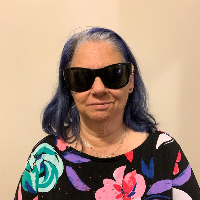
Dr. Colleen Downes
LCSW
New York - 35 yrs exp
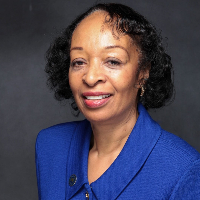



Iesha Whitaker
LCSW
New York - 8 yrs exp



Josephine Ovalles
LCSW
New York - 13 yrs exp




Claudia Stoscheck
LCSW
New York - 30 yrs exp







Post-Traumatic Stress therapy in New York: how it can support you
Living with post-traumatic stress can affect how you sleep, concentrate, connect with others, and feel in your body. Therapy is a structured space where you can work with a trained professional to understand your reactions, build coping skills, and gradually reduce the impact of trauma-related memories and triggers. In New York, you may be balancing demanding work schedules, long commutes, family responsibilities, or the fast pace of city life. Therapy can help you create steadier routines and responses that work in your real environment, whether you live in New York City or a quieter community upstate.
Post-traumatic stress therapy is not about forcing you to relive details before you are ready. A good therapist will collaborate with you on pacing, goals, and boundaries. Many people start with stabilization and skills for day-to-day functioning, then move into trauma processing when it feels safe and appropriate, and finally focus on maintaining progress and preventing setbacks. Your plan should be personalized to your history, current stressors, and support system.
What therapy often focuses on
- Safety and stabilization: learning grounding skills, emotion regulation, and strategies for sleep and stress.
- Understanding triggers: identifying what sets off distress and how your body reacts.
- Reducing avoidance: gently rebuilding your ability to do everyday activities that trauma has narrowed.
- Processing and meaning-making: exploring memories and beliefs in a controlled, supported way when you are ready.
- Reconnection: strengthening relationships, self-trust, and a sense of future.
Finding specialized help for post-traumatic stress in New York
When you search for a Post-Traumatic Stress therapist in New York, you will likely see a range of credentials and specialties. Many clinicians treat trauma, but the best fit is often someone who has specific training and ongoing experience with trauma-focused care. If you are in a high-density area like New York City, you may have more options for niche expertise and scheduling. If you are in Buffalo, Rochester, or a smaller town, online therapy can expand your choices while still connecting you with a New York-licensed provider.
Because trauma can overlap with anxiety, depression, grief, substance use, or relationship stress, you may benefit from a therapist who can address both trauma symptoms and the concerns that show up alongside them. Look for profiles that mention trauma-informed care, evidence-based trauma approaches, and experience with the types of trauma you want help with (for example, accidents, violence, medical trauma, workplace incidents, or childhood experiences). You do not have to share details to ask whether a therapist has relevant experience.
Credentials you may see in New York
- Psychologist: doctoral-level training, often with assessment experience.
- Licensed clinical social worker: therapy and systems-focused support, often experienced with community resources.
- Mental health counselor: psychotherapy training with a range of clinical specialties.
- Marriage and family therapist: specialized training in relationships and family systems, helpful when trauma impacts partners or parenting.
- Psychiatric nurse practitioner or psychiatrist: may provide medication management and, in some cases, therapy.
Regardless of credential, what matters most is that your therapist is licensed to practice with clients located in New York and has training aligned with your needs.
What to expect from online therapy for post-traumatic stress
Online therapy can be a practical option in New York, where travel time, weather, and scheduling can be real barriers. Sessions typically happen by secure video, and sometimes by phone depending on the clinician and your situation. For many people, meeting from home can reduce stress and make it easier to practice skills in the same environment where triggers occur.
Trauma-focused work can be done online, but it should still feel structured and safe. Your therapist may begin with an intake that covers your history, current symptoms, goals, and what helps you feel grounded. You will likely discuss privacy considerations, such as finding a quiet space, using headphones, and planning what you will do immediately after sessions if you feel emotionally activated.
How online sessions are often structured
- Check-in and symptom tracking: brief review of sleep, mood, and stress since the last session.
- Skill-building: practicing grounding, breathing, or coping strategies you can use between sessions.
- Targeted work: depending on your plan, you may work on triggers, beliefs, avoidance patterns, or trauma memories at a pace you can tolerate.
- Wrap-up and next steps: creating a plan for the week and confirming supports.
You can also ask about session frequency. Some people start weekly to build momentum, then taper as symptoms improve. If you live in a busy area like New York City, online therapy can reduce missed sessions due to commuting or unpredictable schedules. If you are in Rochester or Buffalo, it can connect you with specialized training that might be harder to find locally.
Common signs you might benefit from Post-Traumatic Stress therapy
Trauma responses can look different from person to person. You might be functioning well on the outside while feeling constantly on edge, or you might notice changes in relationships, work performance, or physical wellbeing. Therapy can be useful whether your trauma happened recently or years ago, and whether the event was a single incident or repeated over time.
- Intrusive memories: unwanted images, thoughts, or nightmares that feel hard to control.
- Feeling on guard: being easily startled, scanning for danger, or struggling to relax.
- Avoidance: staying away from places, conversations, or activities that remind you of what happened.
- Sleep disruption: trouble falling asleep, staying asleep, or waking up tense and exhausted.
- Mood changes: irritability, anger, numbness, shame, or persistent sadness.
- Concentration problems: difficulty focusing at work or school, forgetting tasks, or feeling mentally foggy.
- Body-based stress: headaches, stomach tension, rapid heartbeat, or feeling keyed up.
- Relationship strain: pulling away from others, mistrust, conflict, or feeling disconnected.
If these experiences are interfering with your daily life, or if you are using coping strategies that no longer feel sustainable, it may be time to talk with a therapist. You do not need to wait until things feel unbearable to reach out.
Tips for choosing the right post-traumatic stress therapist in New York
Choosing a therapist is a personal decision, and trauma work especially benefits from a strong sense of trust and collaboration. Use therapist profiles to narrow your options, then consider scheduling a consultation if offered. Pay attention to whether the therapist communicates clearly, respects your boundaries, and explains how they work.
Questions you can ask before starting
- What training do you have in trauma-focused therapy?
- How do you help clients feel grounded and safe during sessions?
- How do you decide when to shift from skills to deeper trauma processing?
- What is your approach if I feel overwhelmed between sessions?
- Do you offer online sessions for clients across New York, and what are the privacy requirements?
- What are your fees, insurance options, and cancellation policies?
It can also help to consider practical fit. If you are in New York City, you might want a therapist with early-morning or evening availability. If you are in Buffalo or Rochester, you might prioritize online access, flexible scheduling during winter weather, or someone familiar with local stressors and community resources.
What a good fit can feel like
- You feel listened to, not rushed, and not pressured to share details before you are ready.
- The therapist explains the process and checks in about pace and comfort.
- You leave sessions with concrete tools or a clearer understanding of what you are working on.
- Goals are collaborative and measurable, such as improved sleep, fewer panic-like episodes, or increased ability to tolerate reminders without shutting down.
Making the most of therapy once you start
Progress in trauma therapy often comes from small, consistent steps. You can support your work by practicing skills between sessions, tracking triggers, and noticing what helps your nervous system settle. If you are doing online therapy, create a simple routine: a few minutes to arrive before session, and a few minutes afterward to decompress. This can be especially helpful if you are moving straight from a session into work, childcare, or commuting on New York transit.
If you are not seeing the progress you hoped for, bring it up. A therapist can adjust the plan, slow down, add more stabilization, or clarify goals. Therapy should feel challenging at times, but it should not feel unsafe or out of control. Your feedback is part of the process.
Start your search for Post-Traumatic Stress support in New York
Finding the right Post-Traumatic Stress therapist in New York is about matching your needs with the clinician’s training, style, and availability. Use the listings on this page to compare options, read about approaches, and reach out to a few therapists who seem aligned. With the right support, you can build coping skills, reduce the hold of triggers, and move toward a steadier, more connected life.