Find a Phobias Therapist in New York
This page lists therapists who specialize in treating phobias in New York. Explore practitioner profiles to compare approaches, availability, and whether they offer in-person or online sessions.
Browse the listings below to find a clinician who fits your needs and schedule a consultation to learn more about their approach.
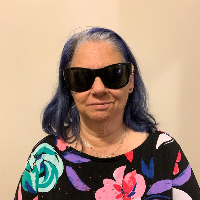


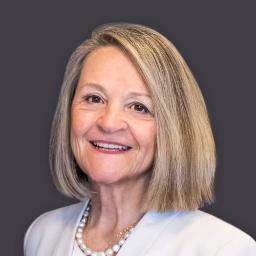
Josephine Ovalles
LCSW
New York - 13 yrs exp

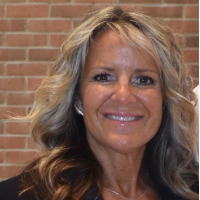
Claudia Stoscheck
LCSW
New York - 30 yrs exp














How phobias therapy typically works for New York residents
When you seek help for a phobia in New York, the process usually begins with an assessment to understand how the fear affects your daily life, work, relationships, and routines. A clinician will ask about the history of the fear, any events that may have contributed, and how you manage or avoid the feared object or situation. From there, a therapist typically develops a collaborative plan that focuses on gradual, practical steps to reduce avoidance and build your confidence in feared situations. Many therapists in the state use evidence-based approaches that emphasize learning new responses to triggers, practicing coping skills, and increasing real-world exposure - all tailored to your pace and goals.
Common treatment approaches
Cognitive behavioral therapy is a commonly used framework because it helps you identify and shift unhelpful thoughts and behaviors related to the phobia. Exposure-based techniques are often central to treatment and may involve imaginal exposure, in-session exposure, or guided real-world practice. Therapists may also integrate breathing and relaxation exercises to reduce the physiological intensity of fear responses, and some clinicians draw on acceptance-based methods to help you tolerate discomfort while taking steps toward meaningful activities. Whatever approach you choose, the goal is practical improvement so you can engage more fully with life in New York.
Finding specialized help for phobias in New York
Finding the right specialist in a state as large and varied as New York means thinking about the setting where you want care. In dense urban neighborhoods of New York City you will find clinicians with extensive experience treating a wide range of specific phobias and access to clinics that offer multidisciplinary support. In mid-sized cities like Buffalo and Rochester, you may find highly skilled practitioners who combine focused expertise with a strong understanding of the local community. If you live outside major metropolitan areas, many therapists offer remote sessions that connect you to specialists who practice phobia-focused therapy full time. When you search listings, look for mention of keywords like exposure therapy, cognitive behavior therapy, anxiety-focused treatment, or specific phobia names to find clinicians who routinely work with the issues you face.
Licensing and local considerations
Therapists practicing in New York are licensed under state rules, and that licensing ensures basic professional standards. If you prefer in-person care, consider commute time and clinic accessibility in dense neighborhoods versus suburban or upstate areas. Some therapists maintain offices in several locations or offer early morning and evening hours to accommodate workers with busy schedules. If language access matters to you, large cities like New York City often have clinicians who offer services in multiple languages or have experience with culturally responsive care.
What to expect from online therapy for phobias
Online therapy can be a practical option if you prefer to work from home or if specialty providers are not nearby. You should expect an initial intake session to assess your needs and determine whether remote work is appropriate for your specific phobia. In many cases, exposure work can be adapted for online sessions - for example, imaginal exposure or therapist-guided exercises that you perform in your environment while connected by video. Your clinician will discuss how to handle practice between sessions, technology needs, and safety planning for moments of intense anxiety. While online work offers flexibility, some therapists also recommend periodic in-person sessions when greater hands-on guidance is helpful or when proximity to the feared stimulus is necessary for progress.
Technical and practical tips for remote sessions
To get the most from online therapy, choose a quiet, comfortable environment where you can speak openly during sessions. Confirm that your therapist is licensed to practice in New York so that sessions comply with state regulations. Ask about session length, fee structure, cancellation policies, and whether they provide resources you can review between meetings. If you plan to do exposure practice at home, discuss how to structure exercises and how your clinician will support you if an exercise provokes a strong reaction.
Signs you might benefit from phobias therapy
You might consider seeking help if a fear causes you to avoid places, activities, or relationships that matter to you. Common signs include persistent avoidance that limits travel, social life, or work responsibilities, repeated episodes of intense anxiety when facing a feared object or situation, or reliance on safety behaviors that reduce immediate discomfort but maintain the fear over time. You may notice that the fear feels out of proportion to the actual risk, that it causes shame or frustration, or that it interferes with opportunities you value. These patterns are common and understandable, and effective treatment aims to restore the freedom to make choices without being dominated by avoidance.
Tips for choosing the right phobias therapist in New York
Begin by identifying the practical criteria that matter to you - location or willingness to work remotely, hours that fit your schedule, language or cultural preferences, and whether you need a clinician who accepts your insurance or offers a sliding fee. Next, look for evidence that a therapist has experience with phobias and exposure-based methods. You can request a brief consultation to ask how they structure exposure work, whether they collaborate on homework exercises, and how they measure progress. Compatibility is also important - feeling heard and respected during an initial call is a good sign that the clinician may be a strong fit. If you live in New York City, you might prioritize clinicians with experience managing phobias tied to dense urban settings. In Buffalo or Rochester, you may look for therapists with knowledge of local resources and community dynamics.
Questions to ask during a consultation
During an introductory session or call, ask about the therapist's training in phobia-focused approaches, how they tailor work to individual needs, and what a typical course of treatment looks like. Inquire about practical logistics such as appointment frequency, fees, and how they support practice between sessions. If you plan to use online sessions, ask about technology platforms and what to do if an exercise provokes intense anxiety. These conversations can help you form realistic expectations and choose a clinician whose style suits you.
Taking the first step
Finding a therapist who understands phobias and the life you lead in New York can make a meaningful difference. Begin by scanning profiles to compare specialties and available formats, then schedule consultations to get a sense of approach and rapport. Progress often happens gradually, with small steps leading to measurable improvements in how you engage with feared situations. Whether you live in a busy neighborhood of New York City, a quieter area in Buffalo, or near Rochester, there are clinicians who focus on phobia treatment and who can work with you to create a plan that fits your goals and lifestyle in 2026 and beyond.