Find a Panic Disorder and Panic Attacks Therapist in New York
This directory lists therapists across New York who specialize in panic disorder and panic attacks. Browse the profiles below to compare clinical approaches, availability, and the areas served throughout New York City, Buffalo, Rochester and beyond.




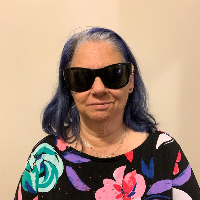


Iesha Whitaker
LCSW
New York - 8 yrs exp
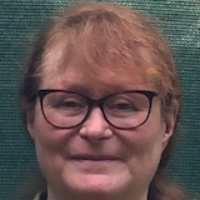

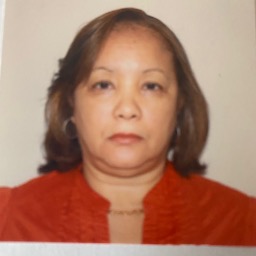
Josephine Ovalles
LCSW
New York - 13 yrs exp


Claudia Stoscheck
LCSW
New York - 30 yrs exp





Christopher Rizzo
LMHC
New York - 7 yrs exp






How panic disorder and panic attack therapy works for New York residents
If panic attacks are disrupting your daily life, therapy is a structured way to learn skills that reduce the intensity and frequency of those episodes. In New York, clinicians commonly use evidence-informed approaches such as cognitive behavioral therapy and exposure-based strategies to help people understand the patterns that trigger panic and to practice new responses. Therapy typically begins with an assessment of symptoms, triggers, and how attacks show up for you in work, school, relationships and transportation. From there, a clinician will outline a treatment plan with goals that match your priorities - whether that means reducing avoidance, improving day-to-day functioning, or managing anxiety symptoms when they arise.
Common therapeutic approaches
Therapists working with panic disorder often teach skills to interrupt the cycle of fear and physical symptoms. You may learn techniques for breathing and grounding, cognitive strategies to challenge catastrophic thoughts, and gradual exposure work that helps you face feared sensations or situations with support. Some clinicians combine these strategies with acceptance-oriented or mindfulness-based practices to increase tolerance for uncomfortable sensations. In many cases, therapists coordinate with primary care providers or psychiatrists in New York when medication evaluation or monitoring is appropriate, so you receive care that fits your overall needs.
Finding specialized help for panic disorder and panic attacks in New York
New York offers a large and diverse network of mental health clinicians, but finding a therapist who focuses on panic disorder means looking beyond general listings. Use specialty filters and read profile details to find clinicians who explicitly list panic disorder, panic attacks, or anxiety disorders as areas of expertise. Pay attention to descriptions of therapeutic models and training in exposure-based work or cognitive behavioral therapy, since those are commonly helpful for panic-related symptoms. If you live in New York City you may find a greater number of clinicians with specialized training, while in smaller cities like Buffalo or Rochester therapists may offer both in-person and telehealth options to reach clients across wider areas.
Local considerations
Where you live in New York affects appointment options and logistics. Urban neighborhoods typically have more evening and weekend availability, whereas appointments in less populated areas may fill more quickly. Transportation, commute time and the comfort of a therapy setting can influence whether you choose in-person sessions or online sessions. When you browse listings, note the neighborhoods served and session formats. Many therapists list which boroughs or counties they see clients in, and whether they offer language skills or cultural competence that match your background.
What to expect from online therapy for panic disorder and panic attacks
Online therapy has become a common choice for people across New York who want consistent access to a clinician without travel time. In an online session you can work on the same CBT and exposure exercises you would in-person, with adaptations for conducting interoceptive exercises or behavioral experiments in your own environment. Expect an initial intake session to cover your history, current symptoms and safety planning. During the course of treatment, your therapist will guide you through practice exercises, help you track progress and adjust strategies based on what works for you. Keep in mind that telehealth sessions require a private place where you can speak openly and focus, and you should discuss emergency planning with your clinician in case you need immediate assistance between sessions.
Practical benefits and limits
Online therapy removes travel barriers and can connect you with specialists who are not local. If you live upstate or outside major centers, telehealth may give you access to therapists trained in specific approaches to panic disorder. There are times when an in-person appointment may be preferable - for example, if you benefit from hands-on grounding practices or local, in-person referrals - but many people successfully reduce panic symptoms through remote work with an experienced clinician.
Signs that you might benefit from panic disorder and panic attack therapy
It can be difficult to decide when to reach out, but there are clear indicators that professional help may be valuable. If you experience repeated, sudden episodes of intense fear or physical sensations such as racing heart, trembling, shortness of breath or dizziness without a clear medical cause, therapy can help you learn to respond differently. You may also notice behavior changes - avoiding places or situations where attacks have occurred, limiting travel or social activities, or relying on others to get through public tasks - that reduce your quality of life. Additionally, if anxiety about future attacks causes constant worry, sleep disruption or trouble concentrating at work or school, these are common reasons to seek specialized support.
Tips for choosing the right therapist for panic disorder in New York
Choosing a therapist is a personal decision and a few practical steps can make the search more efficient. Start by identifying the therapeutic approaches you prefer and look for clinicians who list panic disorder, panic attacks or anxiety as specialties. Read bios for training and experience with cognitive behavioral therapy, exposure work or interoceptive exercises. Consider session format and logistics - ask whether the therapist offers evening appointments, accepts your insurance or provides sliding-scale fees if cost is a concern. Location matters too - if you prefer in-person work, focus on therapists near your neighborhood, whether that is in Manhattan or in communities around Buffalo or Rochester. If you plan to use telehealth, confirm that the clinician is licensed to treat clients in New York and ask about their typical process for remote exposure exercises.
What to ask in a first call or intake
Before committing to a full course of therapy, you can schedule a brief phone or video consultation to get a sense of fit. Ask about the therapist's experience treating panic disorder, what a typical session looks like, expected length and frequency of treatment, and how progress is measured. You may want to know how they handle crises or urgent concerns and whether they coordinate with other providers. Trust your sense of rapport - feeling heard and respected during the initial conversation is an important indicator that the clinician will be a helpful partner in the work ahead.
Integrating therapy into your life in New York
Managing panic disorder often involves practical adjustments outside of therapy sessions. You might plan gradual exposure practices into daily routines, schedule brief relaxation exercises during work breaks, or arrange for supportive travel strategies if commuting triggers anxiety. If you live in a dense city environment, learning to use crowded transit or busy public spaces without avoidance can be part of the work. In smaller cities, creating predictable routines and identifying local supports can make treatment more sustainable. Many people combine therapy with lifestyle supports - consistent sleep, regular movement and a reliable social network - to reinforce gains made in sessions.
Moving forward with confidence
Taking the step to search for a therapist in New York is an important move toward managing panic attacks and reclaiming the activities you value. Use the listings on this page to compare clinicians' approaches, availability and practical details, and reach out for an initial consultation when you find someone who matches your needs. Therapy is a collaborative process, and with the right match you can develop skills to reduce the power of panic and build more predictable, manageable days.