Find an Older (45+) Therapist in New York
This page highlights therapists who specialize in working with older adults age 45 and up across New York. You will find clinician profiles, specializations, and practice details to help connect with the right provider for your needs.
Browse the listings below to compare approaches, locations, and availability in New York City, Buffalo, Rochester, and beyond.


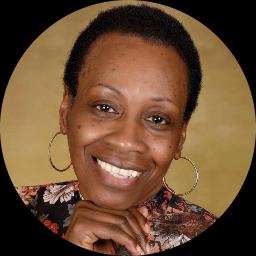
Dr. Colleen Downes
LCSW
New York - 35 yrs exp

















How older (45+) therapy works for New York residents
Therapy for people age 45 and older is tailored to the life stage and experiences that often appear in midlife and beyond. In New York, clinicians combine general psychotherapy techniques with an understanding of issues like retirement planning, caregiving responsibilities, chronic health concerns, shifting relationships, and the emotional effects of major life transitions. When you begin working with a therapist you can expect an initial conversation to review your goals, history, and what has led you to seek support now. That intake informs a treatment plan that may include short-term goal-focused work, longer-term therapy to process complex emotional patterns, or practical strategies to manage stress and daily functioning. Therapy can take place in an office in your neighborhood or online from your home, depending on the clinician you choose and your personal preferences.
What an initial session typically covers
In a first session the clinician will ask about your current concerns, medical background, family and social support, and any recent changes such as retirement, loss, or caregiving duties. You and the therapist will discuss your goals - whether you want to reduce anxiety, cope with grief, improve relationships, or build routines that support wellbeing. The therapist will explain their approach and answer questions about frequency of sessions, fees, and how progress is measured. This early conversation gives you a sense of whether the therapeutic relationship feels like a good fit, which is an important part of effective care.
Finding specialized help for older (45+) in New York
When looking for a therapist who focuses on older adults, consider clinicians who highlight experience with midlife issues, geriatric mental health, or age-related transitions. Many therapists in larger metro areas like New York City will list specialties such as caregiving stress, grief and bereavement, depression in later life, and life transitions. In upstate cities such as Buffalo and Rochester you will also find experienced clinicians who combine local knowledge with age-specific training. You can narrow your search by noting whether a therapist has training in evidence-based approaches that often benefit older adults, such as cognitive behavioral therapy, interpersonal therapy, or supportive psychotherapy. Language skills, cultural competence, and experience with specific communities can matter a great deal, so look for therapists who mention relevant cultural or linguistic strengths if that is important to you.
Insurance, payment options, and practical considerations
Practical matters often influence your choice. Many therapists accept private insurance, Medicare, or offer a sliding scale for fees. Some have evening or weekend hours for people who juggle work or caregiving. If mobility or transportation is a concern, telehealth sessions let you meet with a clinician from home. Accessibility in office locations - step-free entry, elevator access, and proximity to transit in places like Albany or Syracuse - may be important when considering in-person care. It is reasonable to call or message a clinician to ask about these practical details before scheduling an appointment.
What to expect from online therapy for older (45+)
Online therapy can be a convenient way to access clinicians across New York, especially if you live outside a major metro area or have limited mobility. Sessions are typically held via video or phone, and many therapists tailor their approach to make remote work effective for older adults - for example by offering larger font materials, slower pacing, and clear check-ins about comfort with technology. You should expect an introductory call to test the connection and discuss personal nature of sessions and emergency plans. Some therapists blend in-person and online sessions to match your needs. Online work is often well suited to addressing anxiety, depression, adjustment to life transitions, and ongoing support during chronic illness, but your therapist will advise what makes sense for your situation.
Technology tips for a smoother experience
If you plan to use online therapy, choose a quiet, comfortable environment free from interruptions. Test your camera and microphone ahead of the first session and have a phone nearby in case of technical issues. If you have limited experience with video calls, let the clinician know - many therapists will provide simple guidance or do a brief technology check before the first appointment. These small steps help you get the most from remote sessions and let you focus on the therapeutic work.
Common signs that someone in New York might benefit from older (45+) therapy
You might consider therapy if you notice persistent changes in mood, sleep, appetite, energy, or interest in activities that once mattered. New stressors that often appear in midlife - such as caring for aging parents, navigating retirement, coping with the death of peers, or adjusting to chronic health conditions - can be especially heavy to manage alone. Feelings of loneliness or social withdrawal, difficulty managing new roles, or increasing worry that interferes with daily life are all valid reasons to seek help. If substance use has increased as a way to cope, or if relationships are strained by communication or loss, therapy can offer tools and a supportive partnership for change. You do not need to wait until problems feel overwhelming to reach out; early support often prevents more intense distress later on.
Tips for choosing the right therapist for this specialty in New York
Begin by clarifying what you want from therapy - symptom relief, coping strategies, meaning-making after loss, or practical guidance around role transitions. Look for clinicians who explicitly list older adult work as a focus and who describe their therapeutic approach in ways that resonate with you. Credentials matter: therapists licensed to practice in New York will usually display their state license and training. Experience with specific issues - caregiving, grief, retirement adjustment, chronic illness - can be a helpful match. Consider cultural competence and language needs, which are especially important in diverse communities such as those across New York City and immigrant communities in Buffalo and Rochester. Practical fit also matters: check availability, fee structure, and whether the clinician offers remote sessions if that is preferable.
Trusting your judgment and making a switch if needed
You should feel comfortable asking questions during an initial consultation about how the therapist works and what success might look like. It is normal to try more than one therapist before finding the right fit. If the relationship does not feel productive after a few sessions, it is reasonable to discuss this with the clinician and consider other options. A good match often emerges when you feel heard, when approaches are explained clearly, and when goals are jointly agreed upon.
Local considerations across New York
New York City offers a wide range of specialists familiar with the unique stresses of urban life, from workforce demands to multigenerational households. In Buffalo and Rochester you may find clinicians with deep ties to the community who understand regional resources and supports. In smaller cities and suburbs, therapists often combine age-specific expertise with knowledge of local services such as community centers and support groups. Wherever you are in the state, consider local support networks, medical providers, and community organizations as complements to individual therapy, and ask a potential therapist about coordinated care if you have medical or social service needs.
Taking the step to find an older (45+) therapist in New York is an investment in wellbeing that acknowledges the distinct challenges and opportunities of midlife and beyond. By focusing on fit, practical access, and therapeutic approach, you can find a clinician who helps you navigate change, build resilience, and pursue a life that feels more manageable and meaningful.