Find a Multicultural Concerns Therapist in New York
Explore therapists across New York who specialize in multicultural concerns and culturally informed care. Browse the listings below to find counselors in New York City, Buffalo, Rochester, Albany, and Syracuse who match your needs.

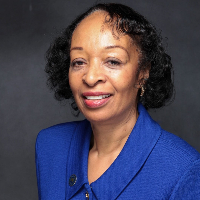
Dr. Colleen Downes
LCSW
New York - 35 yrs exp
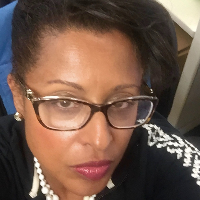

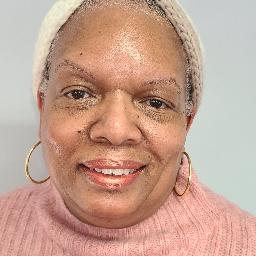
Henrietta Long-Hall
LCSW
New York - 12 yrs exp




How multicultural concerns therapy works for New York residents
When you seek therapy for multicultural concerns in New York, the work often focuses on the ways culture, identity, and social context shape everyday life. A clinician-trained in this specialty will help you explore how race, ethnicity, language, immigration history, religion, socioeconomic background, and family traditions influence your relationships, work, and sense of belonging. Therapy is conversational and collaborative - you and your therapist will identify themes that matter to you and develop strategies that fit your context. Sessions may include narrative approaches that honor your story, skills-based guidance for navigating systems, and reflective work to examine how cultural expectations affect choices and emotions.
Finding specialized help for multicultural concerns in New York
New York’s diversity means there are many therapists experienced in cross-cultural and intersectional issues, but finding the right match takes some focused searching. Consider looking for clinicians who explicitly list multicultural competence, anti-racism training, or experience with immigrant and refugee communities. Language ability matters for many people, so filter for therapists who offer sessions in the language you prefer. You may also look for clinicians who work with the specific populations or cultural issues you face - for example, intergenerational family dynamics, faith-based identity, or adjustment after relocation. In urban centers like New York City you will likely find clinicians with a broad range of specialties and cultural backgrounds, while in Buffalo or Rochester you may find professionals who combine community-based expertise with experience addressing rural or regional cultural needs.
What to expect from online therapy for multicultural concerns
Online therapy expands access across New York’s geography and can be especially helpful when you want to connect with a therapist who understands your culture or speaks your language but is located outside your immediate area. Sessions typically take place via video or phone and follow the same structure as in-person care: an initial intake to understand your history and goals, followed by regular sessions that may include discussion, homework, and skills practice. Because multicultural concerns often involve community and family contexts, online therapy can make scheduling easier and allow participation from family members in different locations when appropriate. It is important to check that your therapist is licensed to practice in New York and to discuss technical needs, session privacy, and boundaries for communication between appointments.
Practical considerations for virtual work
Before your first online session, choose a quiet, comfortable environment where you can speak openly. You might let family members know you will be unavailable for a set period. Test your device and internet connection a little ahead of time so the session can begin without interruption. If language interpretation or cultural consultation is important to you, ask about these services during intake. Online therapy can also be combined with occasional in-person sessions if both you and your therapist are local and prefer that mix.
Common signs you might benefit from multicultural concerns therapy
You may consider seeking multicultural concerns therapy if you find that cultural differences are repeatedly affecting your relationships, identity, or daily functioning. This could show up as ongoing conflict with family members over cultural expectations, feelings of disconnection from your heritage or community, persistent stress related to discrimination or microaggressions, or difficulty managing cultural transitions such as immigration, acculturation, or return migration. You might also seek help if decisions about faith, gender roles, or language are causing distress, or if you are a parent trying to balance cultural values across generations. Therapy can help you name these dynamics and develop strategies to cope and communicate more effectively.
Tips for choosing the right therapist for this specialty in New York
Start by clarifying what you want help with and which cultural elements are most important for your care. When you read profiles be attentive to clinicians who describe their experience with your cultural group or with the issues you face. Language concordance can be vital, so look for therapists who offer sessions in the language you prefer. Ask about training in cultural humility and about how the therapist integrates cultural context into treatment planning. Consider practical factors such as location, availability, fees, and whether they accept your insurance or offer a sliding scale. If you live near New York City, Buffalo, or Rochester, you may have more options for in-person care; in smaller communities, online sessions can broaden your choices.
Questions to ask in an initial contact
When you contact a therapist for the first time, it is reasonable to ask about their approach to multicultural issues and about previous experience with clients who share similar backgrounds. You can ask how they handle conversations about race, religion, or immigration, and whether they collaborate with community resources such as cultural centers or advocacy organizations. Ask what a typical session looks like, how long they usually work with a client, and how they measure progress. These questions help set expectations and let you assess how comfortable you feel with a potential therapist before scheduling an intake session.
How therapy addresses broader social and cultural stressors in New York
Living in New York brings both resources and challenges. Urban environments like New York City offer diverse communities and cultural institutions that can support identity exploration, while smaller cities and regions may present different barriers. Therapists who focus on multicultural concerns often take a systems-aware view - they acknowledge how public policy, workplace culture, educational settings, and community norms influence personal well-being. In sessions you can explore practical steps to navigate institutions, advocate for yourself, and build networks that reinforce cultural strengths. Therapists may also help you develop coping strategies for stressors such as discrimination, housing instability, or intergenerational tensions that are shaped by cultural forces.
Preparing for your first sessions and ongoing care
Before your first session, think about the outcomes you hope to achieve and any immediate concerns you want to prioritize. It can be helpful to note experiences or examples that illustrate how cultural issues show up in your life. Be open to discussing family history, migration stories, or community ties - these details often guide culturally responsive care. Over time, you and your therapist will set goals and revisit them, adapting as your needs change. Therapy can be short term to address a specific transition or longer term for ongoing identity work. Regular communication about what is working and what feels uncomfortable will help you get the most from the relationship.
Connecting with community resources in New York
In addition to one-on-one therapy, many New Yorkers find value in community groups, cultural organizations, and peer support networks that reflect their background. Your therapist can often recommend local or virtual groups, legal and social services, or cultural institutions that align with your needs. In cities like Buffalo and Rochester these community connections may be especially important for creating a sense of belonging, while in New York City you may find a wider range of specialized groups and events. Combining individual therapy with community engagement can reinforce strengths and offer practical supports beyond the therapy room.
Finding the right fit and taking the next step
Choosing a therapist who understands the cultural contours of your life can be transformative. Trust your instincts about how comfortable you feel during initial conversations and whether the therapist listens to and reflects your cultural perspectives. If a match does not feel right, it is okay to try another clinician until you find one who aligns with your needs. Use the listings on this site to narrow choices by location, language, and areas of expertise. When you are ready, reach out and schedule an intake - taking that first step can bring clarity and momentum toward living in a way that honors both your culture and your personal goals.