Find a Men's Issues Therapist in New York
This page connects you with therapists who focus on men's issues in New York. Explore clinician profiles to find someone with the right training, approach, and availability for your needs.
Use the listings below to compare specialties, formats, and locations so you can reach out and begin scheduling a consultation.






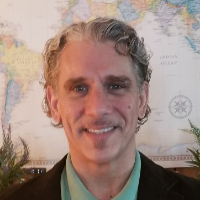
Patrick Russell
LMHC
New York - 25 yrs exp


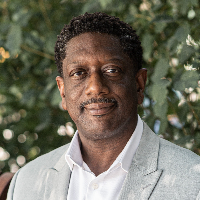
Christopher Rizzo
LMHC
New York - 7 yrs exp











How men's issues therapy typically works for New Yorkers
When you seek therapy for men's issues in New York, the process often begins with an initial consultation to clarify your goals and what you hope to change. That first meeting is used to gather background information about your life, relationships, work, and any specific concerns you bring, such as difficulty managing anger, challenges with intimacy, questions about identity, or stress related to work and family responsibilities. Therapists who list men's issues as a specialty usually combine evidence-informed approaches with a focus on the social and cultural expectations men encounter in different parts of New York, from densely populated neighborhoods in New York City to smaller communities upstate.
Over subsequent sessions you and your clinician will set measurable goals and choose strategies that fit your preferences. Some clients want short-term practical tools for handling conflict or anxiety, while others pursue longer-term exploration of identity, patterns learned in childhood, or the impact of trauma. Licensed clinicians in New York may draw from cognitive behavioral techniques, relational and attachment perspectives, emotion-focused work, and approaches that address masculinity and social roles in ways that feel relevant and respectful to you.
Finding specialized help for men's issues in New York
New York offers a wide range of clinicians who work with men's concerns, and how you search can shape the options you see. Searching by specialty labels such as men's issues, men's health, fatherhood support, relationship counseling for men, or trauma-informed care can help narrow results. It is helpful to read therapist profiles to learn about their training and how they describe their work with men. Pay attention to clinicians who mention experience with topics you care about, like relationship communication, parenting transitions, sexual health questions, or the pressures of workplace culture.
Geographic factors matter in your search. In New York City you will likely find greater specialization and a variety of modalities, while in places such as Buffalo, Rochester, Albany, and Syracuse the pool may be smaller but you can still find therapists who offer focused expertise and who are familiar with regional community dynamics. If in-person options are limited where you live, many New York clinicians offer remote sessions, which can broaden your choices across the state.
What to expect from online therapy for men's issues
Online therapy has become a practical option for many people in New York, offering flexibility when schedules or travel make in-person appointments difficult. When you choose an online session, you can expect to use video or phone calls to meet with your therapist at agreed times. Sessions usually follow the same structure as in-person work - check-in, discussion of current concerns, and practice of skills or processing of experiences - but the convenience of attending from home or a workplace can change how you engage. You may want to plan a quiet place where you can speak without interruption and consider using headphones to keep conversations more private.
Therapists will typically explain how they protect your information and what technical steps are in place to support privacy and data protection. You can ask about session length, how to handle cancellations, whether they accept your insurance, and what to do in a crisis. Because providers in New York must follow state licensure rules, ask if your clinician is licensed to practice in New York and whether they provide telehealth across the state, especially if you travel between cities like New York City and Albany.
Common signs that someone in New York might benefit from men's issues therapy
You might consider therapy if you notice patterns that interfere with daily life or relationships. Many men reach out when they feel stuck in recurring conflicts with partners or family, when emotional reactions such as anger, shame, or withdrawal feel overwhelming, or when life transitions - becoming a parent, changing jobs, or moving to a new city - bring unexpected difficulty. Persistent stress related to work performance, social expectations, or trying to live up to a particular image of masculinity can also create a need for support.
Other signs include difficulty expressing emotions, feeling disconnected from loved ones, repeated difficulties with intimacy, or relying on unhealthy coping strategies to manage discomfort. If substance use, sleep disruption, or decreased motivation are affecting your work or relationships, reaching out for professional help can provide options for change. Therapy is a place to explore what feels out of balance and to learn practical ways to respond differently.
Tips for choosing the right therapist for men's issues in New York
Choosing a clinician is a personal decision, and you can approach it like an experiment. Start by reading profiles to understand each therapist's training, specialties, and statement of values. Look for clinicians who explicitly mention working with men's issues and who describe approaches that align with your preferences - some people prefer direct, skill-focused therapy while others seek more reflective, long-term exploration.
Consider practical factors such as location and availability. If you prefer in-person sessions, check whether a therapist sees clients in areas convenient to you - for example, in Manhattan neighborhoods, or in Buffalo and Rochester. If you anticipate needing evening or weekend appointments because of work, make sure a clinician's schedule matches your needs. Ask about fees, whether they accept your insurance, and whether sliding scale options are offered. Confirming licensure in New York is important, as it ensures the clinician meets state requirements.
During an initial call you can ask about the therapist's experience with men who have concerns like yours, their typical approach to therapy, and what a few early sessions might focus on. Trust your sense of comfort and rapport - the relationship with your therapist is one of the strongest predictors of helpful outcomes. If a therapist's style does not feel like a good fit, it is reasonable to try a different clinician until you find someone whose approach supports your goals.
Navigating services across New York's cities and communities
Your experience in therapy will be shaped by the context you live in. In New York City you may encounter therapists with niche specialties and a wide range of cultural perspectives. In upstate cities like Buffalo, Rochester, Syracuse, and Albany clinicians often bring strong community knowledge and a focus on regional concerns. Rural parts of the state may have fewer in-person options, but telehealth can bridge gaps and connect you with clinicians statewide. Consider how local factors such as commute time, cultural fit, and access to community resources influence your choice.
Once you begin, you can adjust your plan as you go. Some people work with a therapist for a focused period to address a specific issue, while others continue for broader personal growth. You and your clinician should regularly revisit goals and progress and make changes if a different approach would be more useful. Taking the first step to reach out and ask questions is often the most important move toward feeling better equipped to handle the demands you face as a man in today's social landscape.
Taking the next step
When you are ready to act, use the listings above to narrow options by location, specialties, and session format. Prepare a few questions to ask on a phone consult and think about what you hope to achieve in therapy. Starting therapy in New York can connect you with skilled professionals who understand the particular pressures and opportunities men face in city neighborhoods and smaller communities. Reaching out is a practical way to begin exploring new strategies for relationships, identity, stress management, and meaningful change.