Find an LGBT Therapist in New York
This page connects you with LGBT-focused therapists practicing in New York, including clinicians who offer both in-person and online sessions. Browse the listings below to compare specialties, locations, and availability, and contact therapists who match your needs.


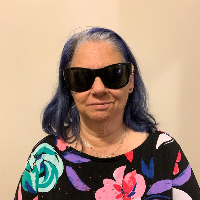




Iesha Whitaker
LCSW
New York - 8 yrs exp



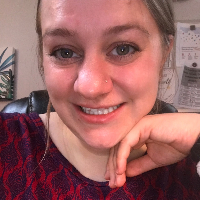
Josephine Ovalles
LCSW
New York - 13 yrs exp



Claudia Stoscheck
LCSW
New York - 30 yrs exp


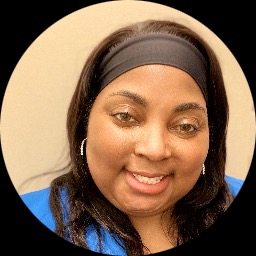
Christopher Rizzo
LMHC
New York - 7 yrs exp




How LGBT therapy works for New York residents
When you look for LGBT therapy in New York, you are seeking clinicians who understand the unique experiences that come with sexual orientation and gender identity. Therapy can be short-term or longer-term and may focus on support during transitions, coping with discrimination, relationship concerns, family dynamics, or general mental health. In New York, licensed professionals include psychologists, licensed clinical social workers, licensed mental health counselors, and other credentialed clinicians. Each clinician brings a particular training background and therapeutic approach, so finding someone whose methods and experience fit your needs can make a meaningful difference.
Appointments may be offered in offices in boroughs or cities across the state, and many clinicians now combine in-person work with remote sessions to increase access. If you live in a dense urban area like New York City you may have more choices for in-person LGBT-affirming care, while residents in Buffalo, Rochester, Albany, or Syracuse may rely more on hybrid schedules or dedicated local clinicians who specialize in serving regional needs. No matter where you are in the state, you can expect a therapeutic process that starts with assessment of your goals and a conversation about how the clinician can support them.
Finding specialized help for LGBT in New York
Searching for the right specialist means looking beyond a general label to identify areas of expertise and cultural competence. You can look for clinicians who list experience with coming out, gender transitions, relationship counseling for same-sex partners, trauma related to discrimination, or family reconciliation work. Language ability can matter, so pay attention to whether a therapist offers services in the language you prefer. You may also prioritize clinicians who have experience with youth, older adults, couples, or particular communities within the LGBT spectrum.
Geography can shape your choices. In New York City, you may find therapists with deep experience in specific subcultures and access to community resources and support groups. In Buffalo and Rochester, therapists may offer more continuity with local services and connections to regional health providers. In Albany or Syracuse, you might look for clinicians who are experienced supporting clients who travel between smaller towns and larger metropolitan areas. Use the listings to review bios, focus areas, and whether clinicians offer flexible scheduling or sliding scale fees if cost is a concern.
What to expect from online therapy for LGBT
Online therapy can expand your options, especially if in-person appointments are limited where you live. When you choose video or phone sessions, you should expect a similar therapeutic structure to an office visit: an initial intake conversation, collaborative goal setting, and regular check-ins on progress. Technology requirements are generally modest - a smartphone or computer with a camera and internet connection is often sufficient. You should plan for a quiet, comfortable environment at home or another private area where you can speak freely during sessions.
Online work can be particularly helpful if you live outside major centers and want access to clinicians with niche LGBT expertise. For example, someone in a small upstate town may connect with a therapist in New York City who has deep experience with gender-affirming work. Remote sessions also help when travel, mobility, or scheduling challenges make frequent office visits difficult. If you are juggling shift work or parenting responsibilities, online therapy can often be scheduled more flexibly, including evening appointments.
Common signs you might benefit from LGBT therapy
You might consider seeking LGBT-focused therapy if you find persistent distress related to your sexual orientation or gender identity. This can show up as difficulty managing anxious thoughts, trouble sleeping, withdrawal from friends or activities you once enjoyed, or repeated conflicts in romantic relationships. You may also feel overwhelmed by the process of coming out, making gender-related changes, or navigating family reactions. Experiences of discrimination, microaggressions, or workplace bias can accumulate and affect your mood and sense of safety.
Other indicators include ongoing substance use that feels like a way to cope, difficulty concentrating at work or school, or feeling stuck despite trying to handle things on your own. If you notice changes in your day-to-day functioning, persistent low mood, or an inability to enjoy activities, those are valid reasons to reach out for professional support. Therapy can offer tools to manage stress, build resilience, and clarify the next steps you want to take.
Practical tips for choosing the right LGBT therapist in New York
Start by clarifying what you are hoping to achieve in therapy. Are you seeking emotional support during a life change, help with relationship communication, guidance through a gender transition, or strategies to cope with discrimination? Once you know your priorities, read therapist bios to find clinicians who highlight those areas of focus. Pay attention to the language therapists use - descriptions that explicitly say they work with LGBT clients or that reference gender-affirming care can signal relevant experience.
Consider logistical needs such as location, insurance acceptance, sliding scale options, and availability for evening or weekend appointments. If you prefer in-person work, look for clinicians with offices close to your neighborhood, whether in New York City or in cities like Buffalo, Rochester, Albany, or Syracuse. If remote work is preferable, confirm that the clinician offers teletherapy across New York State and that their approach translates well to video or phone sessions.
When you contact a therapist, use an initial conversation to ask about their experience with specific issues you face and how they describe their therapeutic approach. You can ask about their work with clients of similar ages, cultural backgrounds, or identities. It is reasonable to inquire about how they handle topics like name and pronoun changes, coordination with medical providers if relevant, and crisis planning. A good match often depends on how comfortable you feel in that first exchange and whether the clinician listens, respects your goals, and explains their plan in a way that feels clear.
Making therapy work for you in different parts of the state
The therapy experience can vary across New York's diverse regions, but your needs remain central. In New York City you may have more clinic options and support groups to supplement one-on-one therapy. In mid-sized cities like Buffalo and Rochester, therapists often have strong ties to local health systems and community organizations, which can be helpful when coordinating care. In state capitals and university towns like Albany and Syracuse, clinicians may be more accustomed to working with students, government employees, or families who move between communities.
Regardless of location, think about how therapy fits into your daily life. If transportation or work hours are barriers, remote sessions can help. If you benefit from peer connection, ask therapists about local groups or community resources they recommend. Over time, therapy is most helpful when you and your clinician review progress together and adapt the plan as your needs change.
Next steps
Begin by browsing the listings on this page to find therapist profiles that match your goals and practical needs. Reach out to ask about experience, approach, and scheduling. If a first match does not feel right, it is okay to try another clinician until you find someone who fits. Seeking therapy is a proactive step toward support and growth, and New York offers a range of practitioners who specialize in LGBT care to help you on that path.