Find a Jealousy Therapist in New York
This page lists therapists in New York who focus on jealousy and relationship concerns. Explore profiles to compare approaches, availability, and areas of focus. Browse the listings below to find clinicians in your city or offering online appointments.

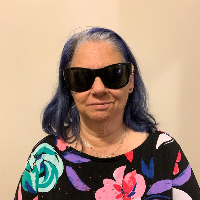







Josephine Ovalles
LCSW
New York - 13 yrs exp














How jealousy therapy works for New York residents
Jealousy therapy helps you explore the thoughts, feelings, and behaviors that come up when you feel threatened in a relationship. In a typical course of work you and a therapist will look at the patterns that trigger jealousy - for example worry about abandonment, past betrayal, or insecurity about your self-worth - and develop skills to respond in ways that reduce conflict and distress. Many therapists combine evidence-informed techniques such as cognitive approaches to shift unhelpful thinking, emotion-focused work to process underlying feelings, and communication training to improve how you talk with partners. Therapy can be offered one-on-one or with a partner, depending on whether your concerns are primarily personal or relational.
Finding specialized help for jealousy in New York
When you search for help in New York, you will find clinicians working in varied settings - private practices, community clinics, and university training centers. Major population centers like New York City offer a wide range of specialties and modalities, including therapists who focus on couples therapy, attachment issues, and sexual health. Cities such as Buffalo and Rochester also have experienced practitioners and training programs that provide thoughtful, community-oriented care. As you review profiles, look for therapists who mention relationship work, jealousy, trust, or attachment in their descriptions. That will help you find someone with relevant experience rather than a generalist who may not routinely address these concerns.
Local considerations
New York's geographic and cultural diversity means your options can vary by location. In dense urban neighborhoods you may find therapists with niche specialties and varied hours, while upstate locations may offer more limited but still well-qualified options. If access is a concern, online appointments can connect you with clinicians statewide, so you can work with someone who fits your needs even if they are based in a different city. Consider also language needs and cultural competence when choosing a clinician, especially in multicultural communities across the state.
What to expect from online therapy for jealousy
Online therapy tends to follow a similar structure to in-person work. Sessions are usually scheduled weekly at first and last about 45 to 60 minutes. You will meet via video or, in some cases, phone or text-based messaging tools depending on what the therapist offers. In the early sessions you will discuss goals, recent incidents that raise jealousy, relationship history, and what you hope to change. Your therapist may teach coping strategies to reduce reactivity, guide you through exercises to build trust and communication, and assign practice tasks between sessions to try new ways of responding in real relationships.
There are practical advantages to online care for New York residents. You can access clinicians from different cities, which is helpful if you live in a smaller community or prefer a therapist with a specific background. Online work also makes it easier to continue therapy through moves or travel. Keep in mind that therapists who provide remote services must follow state licensing rules, so verify that a clinician is authorized to work with clients located in New York before scheduling ongoing sessions. If you are experiencing an urgent safety concern, online therapy may not be the right option in the moment - your therapist can help you identify local resources and supports if needed.
Common signs that you might benefit from jealousy therapy
You might consider reaching out for help if jealousy is causing frequent arguments, undermining trust, or making you withdraw from loved ones. You may notice that intrusive thoughts about a partner's fidelity or intentions take up a lot of mental space, or that you check devices, social media, or communications repeatedly to try to ease anxiety. Perhaps jealousy shows up as anger, controlling behavior, or avoidance of intimacy. It can also appear as persistent doubts that are out of proportion to the relationship context, or as repeated patterns that affect multiple relationships over time. If these experiences are interfering with your work, friendships, or overall wellbeing, therapy can offer a focused way to address them.
Tips for choosing the right therapist for jealousy in New York
Start by reading therapist bios to learn about their training and how they describe working with jealousy or relationship issues. Pay attention to whether they emphasize individual work, couples therapy, or both, and whether they mention attachment, communication skills, or trauma-informed approaches when relevant to your history. It is reasonable to contact a few clinicians to ask brief questions about their experience and approach; many therapists offer a short intake call so you can get a sense of fit before committing to sessions.
Consider practical factors as well. Check whether they accept your insurance or offer a sliding scale if cost is a concern, and confirm their availability for times that fit your schedule. If you live in or near New York City you may find more evening options and clinicians who specialize in niche concerns. In Buffalo, Rochester, Albany, and Syracuse you can often find clinicians connected to local community services or university programs that may offer lower-cost care. If cultural background, language, or identity are important to you, look for therapists who explicitly mention experience working with similar communities or who list languages they speak.
Questions to ask during a first conversation
When you reach out, ask how the therapist approaches jealousy and what a typical plan of work looks like. You can inquire about experience with couples work if you plan to bring a partner, and ask how progress is evaluated. Notice whether the therapist explains ways to manage intense emotions between sessions and whether they create opportunities for skill practice. Trust and rapport matter a great deal in relationship work, so pay attention to how comfortable you feel during an initial call or first session.
Working with jealousy across different relationships and communities
Jealousy does not always appear in the same form. It can affect romantic partnerships, friendships, family relationships, and workplace dynamics. Cultural norms shape how jealousy is expressed and how relationships are navigated, so you may want a clinician who understands the cultural context of your concerns. In New York City you can often find specialists in cultural competence, while smaller cities may have clinicians who bring strong local knowledge and community connections. Wherever you are, effective therapy honors your values and helps you apply practical strategies that fit your life.
Taking the first step to seek help for jealousy means choosing a clinician and an approach that feels appropriate for your situation. Whether you prefer in-person meetings in a nearby neighborhood or online sessions that expand your options, the goal is to find a professional who listens, offers tools you can use, and helps you build healthier patterns over time. Use the listings above to compare profiles, read about approaches, and reach out to therapists who seem like a good fit for your needs in New York.