Find an Immigration Issues Therapist in New York
This page lists therapists in New York who focus on immigration issues, including adjustment, trauma, and family separation. Browse the listings below to compare clinicians, read specialties, and find someone whose experience matches your needs.

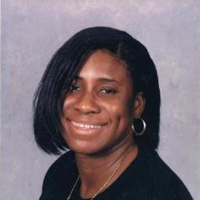
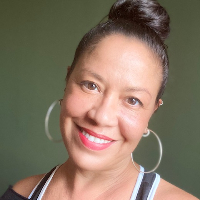
Dr. Colleen Downes
LCSW
New York - 35 yrs exp














How immigration issues therapy typically works for New York residents
If you decide to seek help for immigration-related challenges, your first step will usually be an initial consultation. During that first meeting you and the therapist will discuss what brought you in, current stressors, and goals for treatment. Many clinicians use a combination of practical coping skills and trauma-informed approaches to address the emotional and relational impacts of immigration - this can include processing losses, managing anxiety about legal processes, and rebuilding routines after relocation. Your therapist may also help you identify community resources, supportive groups, or referrals to legal or social services when appropriate.
In New York, therapists are licensed at the state level, and many clinicians bring experience working with immigrant communities from diverse backgrounds. Because immigration-related concerns often involve cultural adjustment, language needs, and family dynamics, you can expect therapy to be tailored to your context. Sessions are usually held weekly at first, then adjusted based on progress and your availability.
Finding specialized help for immigration issues in New York
When you are looking for a therapist who specializes in immigration issues, consider clinicians who explicitly list experience with trauma, acculturation stress, family separation, or asylum-related distress. Language ability and cultural familiarity can make a big difference in the therapeutic relationship, so search for providers who offer services in your preferred language or who have relevant cultural competency. Community mental health centers, university training clinics, and immigrant-serving organizations often host clinicians with focused experience and can be good sources of recommendations.
Location matters for practical reasons. If you live in New York City you may find a large pool of bilingual therapists and specialists in immigrant mental health. In Buffalo or Rochester, look for clinicians connected with local community centers or university programs that serve immigrant populations. If you are in Albany or Syracuse, clinicians who work with state-level services or regional networks can help connect you with local supports. Even if you prefer an in-person option, many New York clinicians offer a mix of in-person and online sessions to increase access across neighborhoods and cities.
Working with legal and social services
Therapists often coordinate with legal advocates or caseworkers when immigration concerns intersect with legal processes. You can ask a prospective therapist how they have worked with immigration attorneys or community legal clinics in the past. Therapists do not provide legal advice, but they can help you manage the emotional fallout of legal proceedings and support you in preparing for interviews, hearings, or family transitions.
What to expect from online therapy for immigration issues
Online therapy is a common option in New York and can expand access to specialists who may not be local to your neighborhood. If you choose teletherapy, expect the therapist to discuss privacy protections for virtual sessions, how sessions will be scheduled, and what technology is needed. Sessions typically last 45 to 60 minutes and follow the same therapeutic structure as in-person work, with check-ins, processing of current stressors, and skill-building assignments between sessions.
Online therapy can be especially helpful if you live outside major urban centers or if you need a clinician who speaks your language but is based in another part of the state. Keep in mind that licensing rules influence where a clinician may offer services, so ask whether they are licensed to practice with New York residents if you are located in the state. Also discuss any accommodations you might need, such as an interpreter or session times that work across time zones if family members join from different locations.
Common signs you might benefit from immigration-focused therapy
You might consider seeking help if immigration-related stress affects your daily functioning, relationships, or sense of safety. Persistent feelings of anxiety about legal status, sleep problems, flashbacks to traumatic events experienced during migration, or sudden changes in mood are all reasons to reach out. You may notice withdrawal from social contacts, difficulty concentrating at work or school, or repeated conflicts within your family as people adapt to new roles and cultural norms.
Children and adolescents can show different signs, such as changes in behavior, school difficulties, or regression in previously mastered skills. Elders may experience grief related to loss of community or language barriers that make daily life harder. No matter your age, therapy can help you develop coping strategies, improve communication within families, and build a plan for managing stressors related to adjustment and immigration procedures.
Tips for choosing the right therapist for immigration issues in New York
Start by clarifying what you want from therapy. Are you looking for short-term support to manage a specific stressor, longer-term work to process trauma, or family therapy to navigate intergenerational challenges? Once you know your priorities, contact clinicians to ask specific questions. Inquire about their experience with immigration-related issues, their training in trauma-informed care, and whether they have worked with people from your cultural background or who speak your language.
Ask about practical details that affect your experience. Find out whether they accept your insurance or offer sliding scale fees, how cancellations are handled, and what their typical session frequency is. If you prefer in-person work, ask about office locations and accessibility by public transportation. If you are considering online therapy, ask how sessions are conducted and what measures protect your privacy during virtual meetings. You can also ask about their approach to working with legal stress, such as supporting you during court processes or coordinating with legal advocates when appropriate.
Trust your instincts about the therapeutic relationship. It is acceptable to schedule an initial session and then change providers if the fit does not feel right. Many people try more than one therapist before finding someone who understands their history, cultural context, and goals. If you live in New York City you will often have more options to compare, while in Buffalo, Rochester, Albany, or Syracuse you may find excellent fits through referrals from community centers or local clinics.
Practical considerations and next steps
When you reach out to a therapist, have a list of questions ready about experience, fees, scheduling, and the types of issues they commonly address. Bring up language needs and any cultural or religious considerations that are important to you. If you are working with other professionals, such as a legal advocate or a caseworker, ask the therapist how they prefer to coordinate care. Remember that seeking help is a step toward managing stress, strengthening family relationships, and building resilience in a new environment.
Finding a therapist who understands immigration issues can make a meaningful difference. Whether you are coping with the aftermath of traumatic events, navigating the uncertainty of legal processes, or working through the challenges of adjustment, the right clinician can offer support, practical tools, and a thoughtful place to process your experiences. Explore the listings above to begin connecting with therapists who work with immigrants across New York and in cities such as New York City, Buffalo, and Rochester.