Find a Guilt and Shame Therapist in New York
Find therapists across New York who specialize in treating guilt and shame, with bios, specialties, and contact options. Browse the listings below to compare approaches and find a clinician who fits your needs.



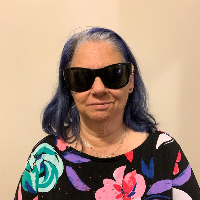

Dr. Colleen Downes
LCSW
New York - 35 yrs exp



















How guilt and shame therapy works for New York residents
When you begin therapy for guilt and shame in New York, the process usually starts with an assessment of how these feelings affect your daily life. A clinician will ask about the situations that trigger guilt or shame, how you think about yourself afterward, and whether these emotions lead to avoidance, withdrawal, or self-criticism. Many therapists blend evidence-informed techniques to help you understand the difference between guilt, which often focuses on behavior, and shame, which targets your sense of self. That distinction guides treatment choices and helps you build practical strategies to respond differently when difficult memories or situations arise.
Therapy tends to move from understanding to practice. After identifying patterns and underlying beliefs, you will work on changing unhelpful thought patterns, developing self-compassion, and learning new behavioral responses. Sessions often include skills you can apply between appointments so that the work you do in the office or online translates into day-to-day changes. In a place as busy and varied as New York, therapists adapt these methods to fit your schedule, cultural background, and the pace of your life.
Finding specialized help for guilt and shame in New York
To find a therapist with experience in guilt and shame, look for clinicians who list these concerns among their specialties and who describe the approaches they use. In larger metropolitan areas such as New York City, you will see a wide range of practitioners and modalities, from cognitive-behavioral therapy and acceptance-based therapies to psychodynamic and trauma-informed approaches. In smaller regions like parts of Western New York or upstate cities such as Buffalo and Rochester, you may find clinicians who combine specialty training with broader community-focused experience. Reviewing bios and reading about training, areas of focus, and therapeutic philosophies helps you narrow options before reaching out.
Consider practical factors too - location, availability, accepted insurance plans, and whether the clinician offers evening or weekend appointments. If transportation or time is a concern, many therapists offer remote sessions that can be scheduled outside typical work hours. Community mental health centers, university clinics, and private practices across New York provide varying fee ranges, so if cost is a factor, inquire about sliding scale options or local clinics that offer reduced rates.
What to expect from online therapy for guilt and shame
Online therapy has become a common option across New York, making it easier to connect with a therapist whether you live in Manhattan, commute from the suburbs, or are based in Buffalo or Rochester. When you choose online sessions, expect an intake that covers privacy practices, session logistics, and emergency planning. Your therapist will explain how they manage record-keeping and what to do if you need immediate in-person help. Sessions themselves often resemble in-person work: you will talk through situations that provoke guilt or shame, practice cognitive and emotional skills, and receive personalized guidance.
One practical advantage of online therapy is access to specialists who may not practice in your immediate area. If you live outside New York City and need a clinician with specific training in shame-focused therapy or trauma work, virtual sessions can broaden your options. You should prepare a quiet, comfortable environment for sessions and test your technology beforehand. If emotional intensity increases during a remote session, your therapist will have a plan to ensure you feel supported and can access in-person care if needed.
Therapeutic techniques often used online
Techniques commonly adapted for remote therapy include cognitive restructuring to challenge self-critical thoughts, exposure exercises for situations that trigger guilt-related avoidance, and compassion-focused practices to counter shame. Therapists may assign exercises between sessions, recommend readings, or guide you through recordings that help you practice self-compassion and alternative perspectives. The goals remain consistent with in-person work: reduce distress, increase adaptive coping, and improve your sense of agency.
Common signs that someone might benefit from guilt and shame therapy
You might consider therapy if feelings of guilt or shame are persistent and interfere with relationships, work, or your ability to enjoy life. If you find yourself replaying mistakes repeatedly, avoiding people or activities because of embarrassment, or treating yourself harshly for perceived flaws, these are indications that targeted support could help. Some people notice physical signs, such as sleep disruption, changes in appetite, or chronic tension that seems connected to ongoing self-blame. Others observe that guilt leads to overcompensation - excessive people-pleasing, perfectionism, or difficulty asserting boundaries.
In New York, where social and professional expectations can be intense, such patterns may feel amplified. You may also recognize that shame affects how you present to colleagues or friends, causing you to hide parts of your experience. Therapy creates space to explore how cultural, familial, or community messages shape your internal dialogue and to develop strategies that make it easier to participate in relationships and work without being overwhelmed by self-judgment.
Tips for choosing the right therapist for this specialty in New York
Start by reading therapist profiles to find clinicians who explicitly mention guilt, shame, or related concerns such as trauma, self-esteem, or perfectionism. Pay attention to the descriptions of therapy style - whether the therapist emphasizes skills, insight, or emotion-focused work - and consider which approach feels most aligned with your needs. If you prefer a structured, goal-focused experience, you may gravitate toward cognitive-behavioral or exposure-based methods. If you want to explore deeper patterns and relationships, psychodynamic or relational approaches may be a better fit.
Interviewing a potential therapist is a helpful step. Prepare a few questions about experience with guilt and shame, typical session structure, and how progress is measured. Ask about cultural competence and whether the therapist has experience working with people from backgrounds similar to yours. Location can matter if you prefer in-person sessions; in New York City you will likely find many nearby options, while in cities like Buffalo or Rochester you may benefit more from clinicians who offer both in-person and virtual sessions. Also consider logistics such as appointment times, cancellation policies, and whether the therapist accepts your insurance or offers a sliding scale.
Trust your impressions. It is normal to try a few sessions to see whether the relationship feels supportive and effective. If you do not feel heard or understood, or if the style does not match what you need, it is reasonable to look for another clinician. A good therapeutic match helps you engage in the work and sustain progress over time.
Moving forward with confidence
Seeking help for guilt and shame is a constructive step that many people take to improve their daily experience and relationships. Whether you are searching within New York City, considering options in upstate areas like Buffalo and Rochester, or exploring remote appointments, there are clinicians who focus on the specific challenges of self-blame and shame. Use the listings on this page to learn about therapists' approaches, check availability, and reach out for an initial conversation. Taking that first step can open a path toward greater self-understanding, kinder self-talk, and more freedom to engage in life without being held back by old patterns.